
MSport Old Mobile Login Guide for Nigerian Users
📱 Learn how to log into MSport Old Mobile effortlessly with this practical guide for Nigerian users. Find security tips, troubleshooting advice & smooth access steps.
Edited By
Chinedu Adeola
Old mobile MSport shops in Nigeria played a significant role in shaping the early mobile communication landscape. These shops, often tucked along busy streets in cities like Lagos, Abuja, and Port Harcourt, became essential access points for mobile phone users who had limited direct access to networks or smartphones.
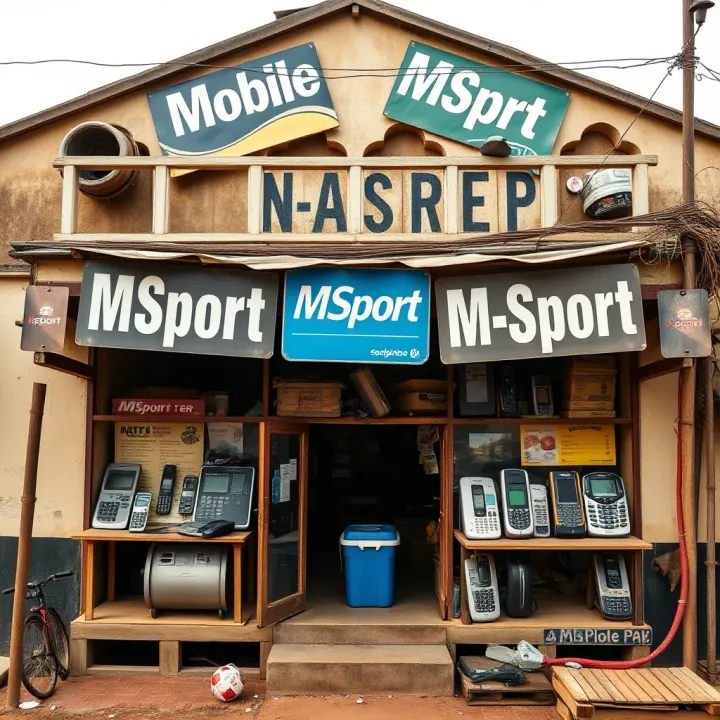
Starting from the early 2000s, when mobile phones began to penetrate Nigerian markets, MSport shops emerged as hubs providing SIM card sales, phone unlocking, and basic repairs. Many offered airtime top-up and USSD service codes for checking balances or data subscriptions. In communities where banking or digital payment infrastructure was weak, these shops also facilitated mobile money transfers and bill payments, plugging gaps created by limited formal channels.
Most MSport shops worked with simple but effective tech tools. They used portable modems and USSD gateways to interact with mobile networks, enabling quick transactions. This was especially practical back then when many Nigerians used feature phones without internet access. Shops often stocked tokunbo accessories like chargers, batteries, and phone cases, catering to the demand from users trying to keep their devices running economically.
These mobile outlets were more than just shops; they became community centres where users could troubleshoot device issues and get advice about mobile network promotions or debt management on phone plans.
Their contribution went beyond just sales and services. By making mobile phone use affordable and accessible, MSport shops helped accelerate adoption rates, particularly in rural areas. When mobile networks struggled with penetration, these shops bridged the technological divide. They were critical touchpoints during Nigeria’s telecom boom, supporting operators like MTN, Airtel, and Glo Finance by expanding customer reach.
With smartphone penetration growing and digital platforms like Paystack and Flutterwave simplifying payments, MSport shops faced pressure to adapt. Many have diversified, offering smartphone repairs, data subscriptions for apps like WhatsApp and TikTok, or even branching into sports betting services given the rising interest in that sector. However, their informal nature sometimes hampers compliance with regulatory policies from NIN (National Identification Number) registration requirements.
Understanding the evolution of MSport shops offers insight into grassroots mobile trends and user behaviour patterns. These shops have influenced how Nigerians engage with mobile betting platforms and digital financial services, often providing the frontline tech support or access for bettors in underserved areas.
Planning market entry or risk management strategies should consider these mobile hubs' continued community presence and informal influence on digital adoption, despite the rise of formal e-commerce and fintech platforms.
Originated as basic mobile network service points.
Facilitated SMS, airtime, and mobile money in early mobile days.
Used simple tech like USSD to overcome network limitations.
Key to expanding mobile access in urban and rural Nigeria.
Still relevant by adapting to smartphone repairs and betting services.
Offer useful local insights for understanding Nigerian digital consumer behaviour.
This background sets the stage for deeper exploration into their impact and current status in Nigeria’s fast-moving mobile and digital markets.
Understanding the origins and growth of old mobile MSport shops offers valuable insight into Nigeria's mobile communication scene and betting culture. These shops were among the earliest access points for mobile services, playing vital roles beyond just selling devices. Their growth mirrors shifts in technology adoption, consumer behaviour, and local entrepreneurship.
Mobile phone usage started gaining serious traction in Nigeria during the late 1990s and early 2000s, especially after the Nigerian Communications Commission (NCC) liberalised the telecom sector. The arrival of networks like MTN Nigeria and Globacom created demand for mobile phones and related services. However, many Nigerians living outside urban centres lacked direct access to official outlets. This gap prompted informal setups where consumers could top up airtime, buy cheap handsets, or get basic repairs.
For example, in towns such as Abeokuta and Ilorin, mobile communication services initially spread through local markets where mobile sellers and airtime vendors operated side by side. These spaces inadvertently became hubs for informal mobile services, often doubling as community centres where people exchanged betting tips or sports scores.
The accessibility of mobile communication in these early days was as much about community trust as technical provision.
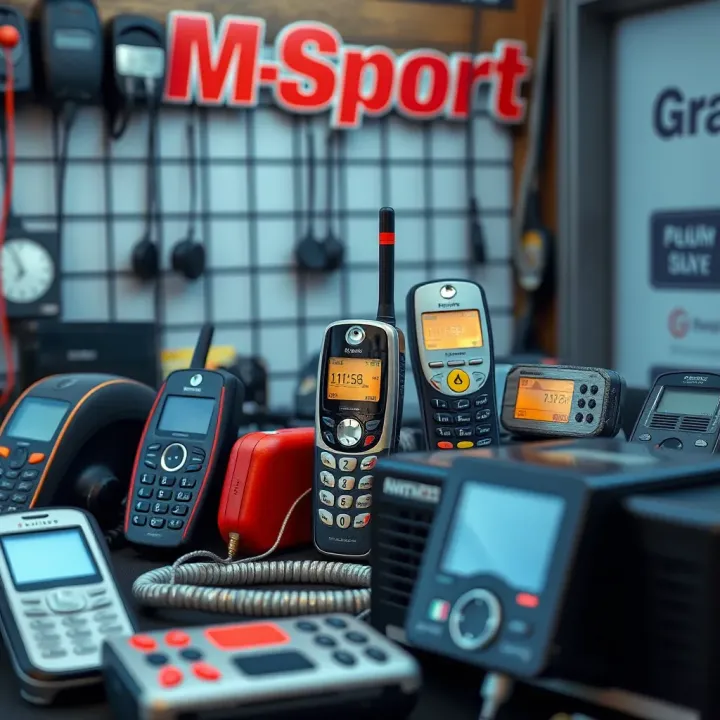
MSport shops emerged from informal market stalls and roadside kiosks where vendors offered both mobile phone services and a window into the dynamic world of sports betting. Often located near busy transport hubs like danfo parks or keke stops, these shops capitalised on foot traffic. Gradually, they attracted customers looking for airtime, phone repairs, and the latest sports betting updates.
Expansion occurred as the shops diversified their offerings. For instance, many started combining mobile airtime sales with ticketing for local betting games (such as Premier League matches popular among Nigerian punters). Some even became places where customers could use USSD codes or make sports-bet payments via platforms like Bet9ja or NairaBet.
Many MSport shops invested in better infrastructure, such as improved generators to handle frequent power outages, further solidifying their presence. Their growth was organic and linked closely to the rise of mobile telephony and the broad Nigerian passion for football and sports betting.
The practical benefit: MSport shops made mobile technology and sports betting accessible to Nigerians who may not have had bank accounts or digital literacy, especially in semi-urban and rural areas. Their development is a story of grassroots innovation adapting to Nigeria's unique socio-economic context.
In sum, old MSport shops bridged the gap between technology and everyday Nigerians, embedding themselves strongly in local economies and social life. They remain a window into Nigeria's mobile communication and betting evolution.
Traditional MSport shops became pillars in Nigeria’s mobile communication scene by offering services that went beyond just selling phones. These shops served as crucial points for retail, repair, and connectivity, often filling gaps where major networks or official outlets were scarce.
MSport shops historically stocked a wide range of mobile phones, mainly tokunbo (used) devices, which were affordable alternatives to brand-new phones. This accessibility helped many Nigerians join the mobile revolution without stretching their budgets. Moreover, these shops typically offered repair services for damaged phones. For example, if a phone’s screen cracked or the battery life weakened, customers could bring their devices in for swift fixes. Skilled technicians in these shops often improvised with available parts or adapted components from different brands to get devices working again. This service was invaluable, especially for those who could not afford new phones or official repairs from brand outlets.
Beyond devices, MSport shops became convenient hubs to buy mobile airtime and data bundles for various Nigerian mobile networks like MTN, Glo, Airtel, and 9mobile. Customers could top up their phone credit through scratch cards or electronic recharge, allowing them to stay connected easily. In many neighbourhoods, especially where internet penetration was low or bank access limited, MSport shops served as the quickest point of purchase for airtime and data. This convenience supported everyday communication for millions, from traders in the markets to students preparing for exams, like WAEC or JAMB.
Traditional MSport shops also stocked accessories like chargers, earphones, sim cards, and memory cards, sometimes at better prices compared to bigger stores. They catered to everyday needs with items like phone cases and screen protectors. On top of that, these shops often provided support services such as SIM registration assistance using the National Identification Number (NIN) and guidance on activating services like USSD codes for banking or data purchases. Having one venue for devices, accessories, recharge, and support made MSport shops indispensable for consumers managing mobile technology in Nigeria’s dynamic markets.
In many ways, the traditional MSport shop was a one-stop centre for mobile needs, especially before the rise of smartphone kiosks and online platforms. Their blend of sales, repair, airtime provision, and accessory support kept Nigerian mobile users connected and empowered in practical, affordable ways.
MSport shops, often located in bustling markets and neighbourhood streets across Nigeria, depend heavily on solid technology and infrastructure to serve their customers effectively. Understanding their operational backbone reveals how these shops manage both basic and critical mobile communication needs, often despite persistent challenges.
At the core, traditional MSport shops use a mix of simple and specialised tools. For repairs, technicians rely on screwdrivers, multimeters, soldering irons, tweezers, and microscopes. These tools help fix issues ranging from screen replacements to circuit faults in mobile devices. Additionally, shops often stock testing SIM cards, battery chargers, and unlocking devices to aid network compatibility.
Other essential equipment includes point-of-sale (POS) terminals for quick airtime and data top-ups and basic computing devices for managing sales records and tracking inventory. Often, these computers run lightweight software designed for small businesses, occasionally supplemented by manual logs. Power supply remains a major consideration; many shops invest in inverters and batteries or generators, especially in areas prone to power outages, ensuring minimal disruption during business hours.
Operating MSport shops in Nigerian cities like Lagos or Abuja involves contending with intense competition, high rent fees, and erratic power supply. Urban shops benefit from better internet connectivity but face frequent traffic and limited space. For example, markets like Balogun or Wuse are overcrowded, meaning shops work in cramped quarters, which can limit service quality and customer comfort.
In rural settings, MSport shops face greater infrastructural hurdles. Poor electricity and unstable mobile networks significantly affect their ability to provide uninterrupted services. Transporting parts or new devices is also tougher due to bad roads and security worries. On top of that, lower customer traffic in rural areas can restrict revenue, making it harder to invest in upgraded tools or digital inventory systems.
Despite these challenges, MSport shops remain critical nodes in Nigeria’s mobile communication ecosystem, often bridging the digital divide between urban and rural clients.
Both urban and rural MSport shops show resilience by adapting their infrastructure to local realities. Many embrace solar-powered setups or collaborate with mobile network operators to improve airtime distribution. Understanding these operational dynamics gives valuable insight into how the shops maintain relevance and support the growth of mobile services across Nigeria.
MSport shops played a significant role in expanding mobile service reach across Nigeria, especially before big telecom players went mainstream. For many Nigerians, particularly in semi-urban and rural areas, these shops acted as the first touchpoints for mobile communication. They offered convenient access to airtime, SIM cards, and basic phone repairs without needing to travel long distances to urban centres.
In areas where network agents or official outlets were scarce, MSport shops filled the gap by providing essential mobile services. For example, a trader in Kano could easily get airtime top-up or phone maintenance at a local MSport shop, cutting costs on transport and saving time. They also helped spread awareness of new prepaid plans, mobile apps, and data bundles, thus encouraging more people to embrace mobile technology.
This accessibility widened mobile penetration, supporting the government's push for digital inclusion. Without these grassroots outlets, many Nigerians would still struggle to join the mobile revolution.
Beyond mobile services, MSport shops contributed directly to local economies by creating jobs and nurturing small businesses. Many of these shops are family-run or employ youths from their communities, offering income opportunities outside formal employment sectors. In Lagos markets like Balogun or Oshodi, for example, MSport shops support a chain of suppliers, repair technicians, and sales agents.
This ecosystem feeds into the larger informal economy, which is a backbone of Nigerian employment. It also allows entrepreneurial Nigerians to build skills in mobile technology and customer relations. Some MSport shop owners have grown their businesses to become distributors or importers of phone accessories and electronics, showing potential for upward mobility.
MSport shops have served not just as technology hubs but as vital economic anchors, supporting livelihoods and local business networks.
Their presence has encouraged community development by circulating money within local markets. Especially during the ember months, increased mobile usage around festive celebrations boosts their sales, showing how these shops adapt to seasonal consumer behaviour.
In summary, MSport shops were more than just mobile outlets; they integrated deeply with Nigerian communities, fostering communication and economic growth hand in hand.
Old mobile MSport shops in Nigeria are facing a crossroads shaped by rapid technology changes and shifts in consumer habits. Understanding current trends and future possibilities is essential to grasp their ongoing role and relevance within Nigeria's evolving mobile ecosystem.
Online retail platforms and digital payment systems have shaken up traditional MSport shops. Platforms like Jumia Nigeria and Konga provide direct delivery of mobile devices and accessories, cutting into foot traffic for physical shops. Meanwhile, payment services such as Paystack, Flutterwave, and OPay make purchasing airtime or data bundles easier online. This convenience appeals especially to younger Nigerians who prefer cashless transactions. In response, many MSport shops have started integrating USSD codes and mobile wallets to offer similar convenience and stay competitive.
The rise of online channels also means MSport shops must sharpen customer service and pricing strategies. Some shops use WhatsApp and Instagram to engage customers and advertise promotions, combining the personal touch of a mama put with digital outreach.
Mobile technology upgrades frequently introduce new device models, software, and accessories. MSport shops that survive this era actively update their inventories to include smartphones from brands like Tecno, Infinix, and Samsung, while also stocking necessary chargers, earphones, and power banks. However, with phone repairs becoming more complex, due to glued batteries or waterproofing, shops must invest in better tools or training to handle these challenges.
Consumer behaviour has shifted towards heavier data usage, social media, and mobile banking, causing demand for data bundles to soar. Old shops now often offer bundled airtime and data plans tailored to popular Nigerian networks like MTN, Airtel, and Glo. Some have embraced agent models, acting as intermediaries for e-wallets and bill payments, which brings additional revenue streams.
Looking ahead, MSport shops could evolve beyond simple airtime vendors or handset sellers. By adopting digital literacy programmes and partnering with fintech firms, shops can become vital community hubs for mobile financial services. Considering Nigeria’s vast informal sector, these shops can support micro-entrepreneurs who need quick access to mobile tools and payments.
There is also potential for transformation through franchising or cooperative models, pooling resources to bulk purchase devices or negotiate with telecom providers. This could reduce costs and improve service quality.
While digital platforms present a challenge, they also offer MSport shops opportunities to innovate and deepen their connection with customers.
📱 Learn how to log into MSport Old Mobile effortlessly with this practical guide for Nigerian users. Find security tips, troubleshooting advice & smooth access steps.
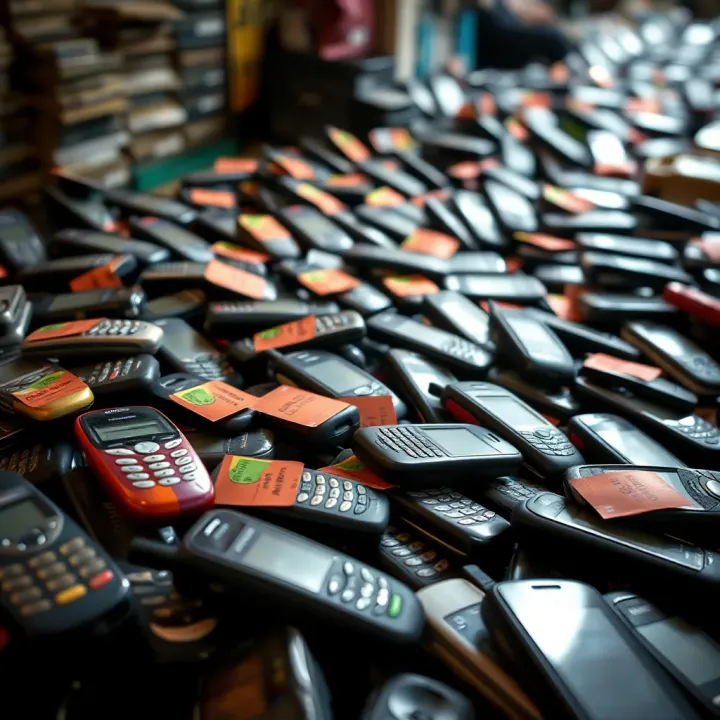
Explore Msport Mobile Shop's role in Nigeria's old phone market 📱. Get smart tips on pricing, warranties, and how to sell or buy second-hand mobiles for the best value ₦.
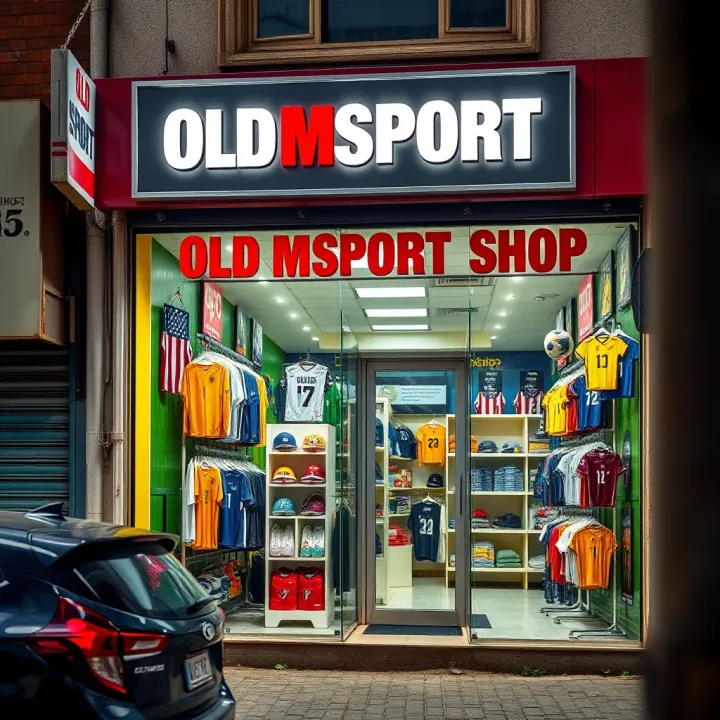
🏆 Explore Old Msport Shop's history, iconic role in Nigeria's retail and sports scene, its product variety, loyal customers, market challenges, and cultural impact.
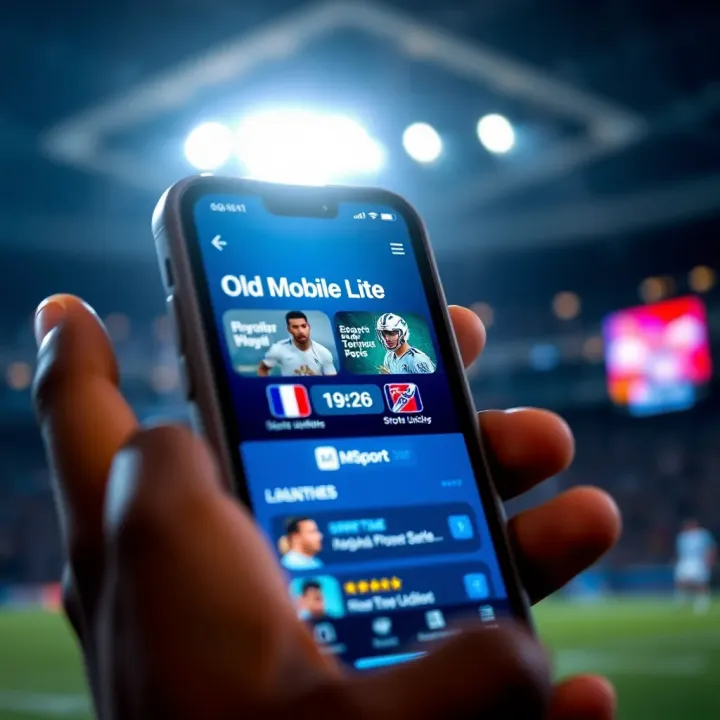
Stay updated with MSport Old Mobile Lite ⚽️ – a sleek, light app perfect for Nigerian users on older phones. Enjoy fast sports news, low data use, and easy navigation.
Based on 15 reviews