
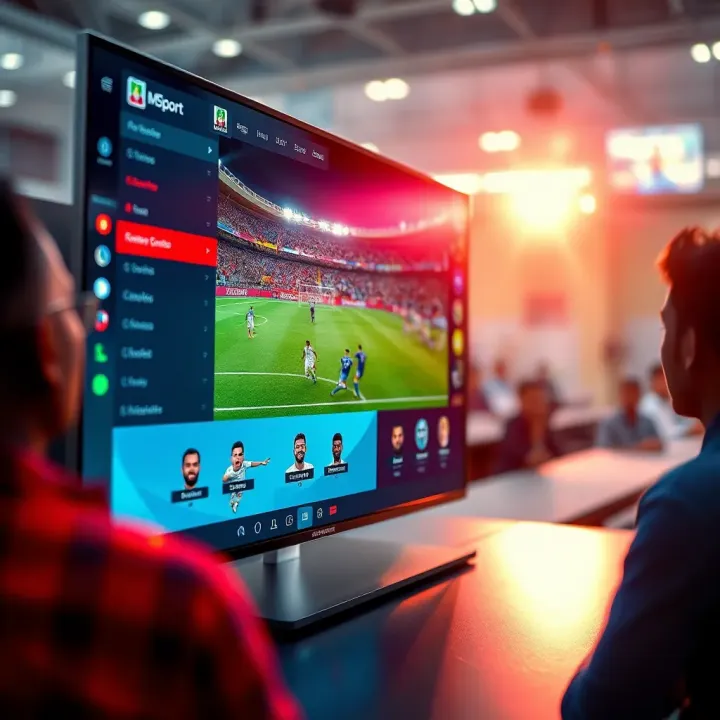
Understanding MSport: Features and Impact in Nigeria
⚽ Explore MSport’s mix of live sports streaming, betting services, and user engagement shaping Nigeria’s digital sports market—reliable and built for Lagos to Abuja fans!
Edited By
Chinedu Adeola
MSport promotion refers to the active marketing and communication efforts aimed at boosting awareness, engagement, and commercial value around sports events, athletes, and related activities. In Nigeria, this practice is growing fast as sports become a bigger business, drawing attention from fans, investors, and sponsors alike.
Unlike traditional advertising, MSport promotion blends digital channels, event activations, and community outreach to create buzz and sustain interest. For instance, platforms like Paystack and Flutterwave have enabled smoother ticket sales and merchandising, while social media campaigns on Instagram and Twitter have amplified athlete visibility and fan interaction.

Promotion in Nigerian sports operates on multiple fronts:
Athlete branding: building personal brands for players helps attract endorsements and fan loyalty.
Event marketing: crafting narratives around games, tournaments, and championships to fill stadiums and streaming platforms.
Sponsorship activation: connecting brands with audiences via sponsored content, giveaways, and halftime shows.
Effective sports promotion goes beyond flashy adverts — it requires understanding local fan behaviour, tapping into cultural moments like ember months or festive seasons, and creating consistent value for all stakeholders.
This approach has seen clubs in the Nigerian Professional Football League (NPFL) increase match attendance and online viewership over recent years. Meanwhile, betting firms like Bet9ja and Sportybet use MSport promotion to attract bettors by offering real-time stats, exclusive insights, and live updates during matches.
The impact is clear: enhanced fan participation boosts revenue streams while increasing opportunities for athletes to secure lucrative deals. However, challenges like infrastructure deficits, inconsistent media coverage, and regulatory uncertainties still limit the full potential.
Still, the foundation is set for deeper integration of technology and marketing savvy in promoting Nigerian sports. Businesses that understand how to connect with fans and amplify athlete stories stand to gain substantially in this vibrant and competitive field.
MSport promotion in Nigeria refers to the deliberate efforts to create awareness, engage fans, attract sponsorship, and build sustainable interest around sports activities and athletes. It's more than just advertising games; it is a combination of marketing, community involvement, and brand partnerships that together elevate the profile of Nigerian sports. Given the rapid growth of digital platforms and sports enthusiasm among Nigerians, MSport promotion has become vital for expanding fanbases, driving economic activity, and improving athletes' prospects.
At its core, MSport promotion involves communicating the excitement, stories, and values behind sports to a wider audience. For example, local football leagues like the Nigeria Professional Football League (NPFL) have relied on promotion through social media campaigns, sponsorship tie-ups with brands like Airtel and Guaranty Trust Bank, and broadcast deals with operators such as SuperSport. These actions not only attract spectators but also help clubs boost revenue and improve facilities.
MSport promotion covers all activities aimed at highlighting sports events, personalities, and brands to increase visibility and engagement. This includes:
Advertising upcoming matches and tournaments
Creating content that tells athletes' stories
Sponsoring teams or competitions
Organising fan engagement events and competitions
Leveraging digital channels for marketing
In Nigeria, this scope extends from grassroots campaigns encouraging youth participation to national broadcasts and branded merchandise sales. A good illustration is the use of mobile apps by OPay to sell match tickets and deliver live updates, bridging traditional sports marketing with fintech solutions.
Sports organisations such as the Nigeria Football Federation (NFF) or the Athletics Federation of Nigeria take the lead in managing competitions and setting standards. Their role in promotion is practical: they organise leagues, coordinate fixtures, and approve sponsorship deals. Without well-structured organisations, promotion efforts would lack focus, authenticity, and reach. These bodies also engage in partnerships to improve infrastructure, like stadium renovations funded by corporate sponsors, which directly impact fan experience and athlete performance.
Athletes and coaches are both the faces and driving forces behind sports promotion. Successful athletes like Asisat Oshoala (football) or Ese Brume (long jump) create public interest that promoters can build on. They participate in interviews, social media engagements, and endorsements that humanise sports and attract fans. Coaches contribute by shaping competitive teams and sometimes engaging in media to explain tactics, which enhances viewership. Their personal brands increasingly affect sponsorship deals and affect how Nigerian sports are perceived locally and internationally.
Sponsors bring essential funding and marketing resources to MSport promotion. In Nigeria, companies like MTN, Dangote, and Globacom regularly invest in sports sponsorships to boost brand visibility and customer loyalty. They fund events, provide prizes, and launch campaigns during key tournaments. Their involvement not only aids sports financially but also improves event quality and professionalises the environment. For instance, OGX Energy’s sponsorship of basketball leagues has led to better player incentives and media coverage.
Media houses and broadcasters serve as the link between sports and fans. Nigerian TV stations such as Channels TV and broadcasters like DSTV carry live matches, player interviews, and expert analyses that increase fan engagement and knowledge. Digital platforms including YouTube channels and podcasts now supplement traditional media, offering behind-the-scenes looks and expert commentary, which extend reach beyond stadiums. Their role is critical because without media amplification, even well-promoted events struggle to attract attention.
Effective MSport promotion hinges on collaboration among these stakeholders, enabling Nigerian sports to thrive in a competitive entertainment market.
MSport promotion relies on several key strategies tailored to engage fans, grow brands, and support athletes in Nigeria’s unique sports environment. These approaches mix traditional methods with digital innovations to reach a wider audience and deepen community connection.
Use of platforms like Instagram, Twitter, and Facebook plays a major role in Nigerian sports promotion. Sports organisations and sponsors use these platforms to broadcast live updates, highlight player achievements, and build hype ahead of games. For example, during the Nigeria Premier League matches, clubs actively post highlight reels on Instagram and Twitter to draw fans’ attention beyond stadium attendance.
Influencer collaborations are increasingly common. Popular sports personalities and local celebrities team up with brands to promote events or products, bringing personal credibility and boosting reach. A footballer like Ahmed Musa sharing a sponsor’s message on his social media has far more impact than a standard advert due to his connection with followers.
Content creation and engagement involves producing tailored videos, interviews, and behind-the-scenes footage to spark interest. Engaging content encourages fans to comment, share, and participate, which raises the sport’s visibility. For instance, creates interactive polls about player performance during the Super Eagles games help maintain fan involvement between matches.
Sponsoring local and national tournaments remains a straightforward way for brands to increase their visibility while supporting sports development. Companies sponsoring the Lagos Basketball Classic or grassroots football leagues demonstrate community commitment and gain extensive publicity from event attendance and media coverage.
On-site branding and fan experiences enhance the game-day atmosphere and reinforce sponsor messages. Banners, branded merchandise, and interactive booths at venues like Teslim Balogun Stadium make fans associate sponsors with exciting, memorable moments.
Promotional giveaways and contests fuel excitement and encourage attendance. Free tickets, branded jerseys, or chances to meet players motivate fans to engage actively, creating buzz that extends beyond regular spectatorship.
Youth development initiatives focus on nurturing raw talent with training camps and scholarship schemes. These programs not only help discover future stars but also generate goodwill for sponsors and sports organisations, showing tangible investment in Nigeria’s youth.
School partnerships bring sports promotion to educational institutions, where talent can be spotted early and students become regular fans. Collaboration between sports bodies and schools often includes clinics, tournaments, and educational talks to deepen interest and participation.
Local club outreach strengthens the grassroots foundation by supporting small clubs with equipment or coaching expertise. When regional teams like those in Ondo or Enugu receive backing, it improves local competition standards and builds passionate fan communities.
Effective MSport promotion combines these strategies to build a solid sports culture, attract investments, and create lasting connections between fans, athletes, and brands.
This multi-pronged approach ensures not just visibility but sustained growth of Nigerian sports at all levels.
MSport promotion in Nigeria faces several hurdles that affect how effectively sports marketing can reach and engage fans, boost athletes' profiles, and attract investment. These challenges stem from systemic issues such as funding shortages, inadequate facilities, limited media reach, and complex regulations. Understanding these barriers is key for stakeholders aiming to enhance the sports ecosystem and capitalise on emerging opportunities.
One major obstacle is the lack of sufficient funding to support impactful campaigns and events. Most sports organisations rely heavily on small budgets or sporadic sponsorships, which limits their promotional reach. For example, a local football club might struggle to afford quality social media marketing or fan engagement activities, reducing its visibility among potential supporters. Without steady financial backing, many grassroots and semi-professional sports programmes cannot sustain consistent promotion, which slows the growth of fanbases and commercial interest.
Weak sporting infrastructure also hampers promotion efforts. Most venues outside major cities like Lagos and Abuja lack reliable stadia or arenas suited for professional events. Poor lighting, inadequate seating, and unreliable power supply mean organisers find it hard to host well-attended competitions that attract media and sponsor attention. For instance, a basketball tournament in a regional town might lose viewership and enthusiasm if facilities fail to meet basic standards, undermining promotional ROI. Such challenges restrict access to quality live experiences, a vital element in fan engagement.
Limited media support restricts how widely MSport promotion messages circulate. Many local sports events receive scant coverage from national broadcasters or mainstream media outlets, especially when competing with international leagues. As a result, fans relying on traditional channels miss out on local sports narratives that could boost interest and bets. Furthermore, digital media penetration, though rising, remains uneven across Nigeria, leaving some rural audiences unreached. Without reliable and expansive media channels, promotional campaigns struggle to deliver scale and impact.
Complex regulatory requirements and organisational inefficiencies create further bottlenecks. The lack of clear policies for sports marketing and sponsorship sometimes deters companies from investing in promotion. Uncoordinated sports administration with overlapping bodies can cause delays or confusion over event approvals and rights management. For example, conflicting guidelines from sports federations and government agencies can stall the launch of promotional campaigns or delay sponsorship payments. Streamlining regulations and improving collaboration is essential to unlock MSport’s full promotional potential.
Addressing these challenges requires targeted investments, infrastructure upgrades, media partnerships, and regulatory reforms to build a sustainable promotional environment that benefits athletes, fans, and the wider sports industry in Nigeria.
The influence of MSport promotion on Nigerian sports extends beyond mere visibility—it shapes career pathways, fan engagement, and economic growth within the industry. Effective promotion creates tangible benefits for athletes, fans, and businesses alike, supporting the sports ecosystem’s sustainability and expansion.
MSport promotion directly enhances athletes' profiles, opening doors for endorsements, professional contracts, and international exposure. For instance, Nigerian footballers like Victor Osimhen and Asisat Oshoala have gained global recognition partly due to sustained promotional efforts by clubs and sponsors leveraging digital platforms and media coverage. Enhanced visibility also attracts scouts and agents, increasing the chances for Nigerian athletes to secure talent deals in foreign leagues or sponsorship with local and global brands.
Promotion helps to grow loyal fanbases by connecting sports with broader audiences. Platforms like Twitter and Instagram allow fans to engage with athletes and teams in real-time, fostering community support and energising local interest. Grassroots initiatives supported by promotional activities encourage youth participation, which not only develops future talent but also brings communities together around sports events. Such engagement has been notable in states like Lagos and Abuja, where active promotion has revitalised interest in lesser-known sports such as basketball and volleyball alongside football.
The sale of sports merchandise has become a key revenue stream enabled by effective promotion. When fans identify with teams or athletes, they buy jerseys, caps, and other branded goods, which sustains club finances. For example, top Nigerian football clubs like Enyimba and Kano Pillars have seen consistent merchandise sales during home games, bolstered by promotional campaigns that highlight club identity and pride. This not only boosts club incomes but also provides retail jobs in markets and online stores.
Sponsorship deals form a major part of funding sports activities and events through MSport promotion. Brands like GTBank, MTN, and Peak Milk have invested heavily in Nigerian sports by sponsoring leagues and individual athletes, seeking to tap into fan loyalty. Such investments increase the quality of events and provide financial backing for athlete training and facilities. The sponsorship revenue also incentivises media houses to broadcast more sports content, increasing visibility further and creating a positive cycle of growth.
Large sports events generate jobs across various sectors—security, catering, event management, and transport. MSport promotion encourages attendance and participation, necessitating more manpower to manage matches, fan experiences, and logistics. Particularly during tournaments like the Nigerian Premier League or the Lagos Marathon, temporary and sometimes permanent jobs emerge, helping reduce unemployment. Moreover, local vendors selling food and memorabilia benefit directly from increased foot traffic, highlighting how promotion fuels economic activities around sports.
MSport promotion is not only about showcasing talent but also about building ecosystems where sports careers thrive, fans connect, and local economies benefit meaningfully.
By driving visibility, fan engagement, and financial growth, MSport promotion plays a critical role in the evolution of Nigerian sports culture and industry.
Expanding MSport promotion in Nigeria offers significant advantages for athletes, sponsors, and fans alike. With Nigeria’s rapid mobile phone adoption and fintech growth, there are new avenues to boost fan interaction, deepen market reach, and tap fresh revenue streams. Exploring these opportunities is vital for strengthening the sports ecosystem, particularly as Nigeria’s sports sector matures alongside growing digital trends.
Mobile ticketing and payments simplify access to sports events for fans nationwide. Instead of queuing outside stadia, supporters can buy match tickets using mobile money platforms or USSD codes—a vital convenience in cities like Lagos or Kano where traffic and time constraints can discourage attendance. Platforms such as OPay and PalmPay have begun facilitating these transactions, reducing cash handling risks and boosting ticket sales efficiency.
Fan engagement apps add another layer to MSport promotion by keeping supporters connected beyond live matches. Apps dedicated to Nigerian football leagues or basketball tournaments provide live scores, player stats, and news updates, while offering interactive features like polls or fantasy leagues. This digital touchpoint attracts younger fans, appeals to diasporans missing local events, and creates additional marketing opportunities for sponsors and clubs.
Cross-border sponsorships present promising prospects for Nigerian sports. When foreign brands like Betway or Adidas team up with local teams or leagues, it not only brings financial backing but also introduces Nigerian sports to global audiences. These partnerships often come with modern marketing expertise and access to international promotional channels, helping to elevate the profile of Nigeria’s sporting events.
Knowledge and resource sharing between local organisations and international counterparts is equally beneficial. For instance, collaborations with sports marketing firms in Europe provide Nigerian promoters with insights on fan analytics, branding, and digital campaigning. This exchange sharpens local strategies, making MSport promotion more targeted and impactful.
Government funding programmes play a critical role in sustaining MSport promotion efforts. When ministries allocate budgets specifically for sports marketing, grassroots development, or national league promotions, it injects stability into what otherwise depends heavily on private sponsors. For example, state governments occasionally sponsor regional tournaments, encouraging youth participation and local business engagement.
Infrastructure investment enhances the physical venues where promotions happen. Renovating stadia, improving training facilities, and upgrading broadcast centres not only improve the experience for fans and athletes but also attract bigger events and sponsorship deals. The federal government's new drive for sports infrastructure modernisation is a step towards creating spaces that enable more professional promotion and event marketing activities.
The success of MSport promotion ultimately depends on weaving technology, partnerships, and supportive policies into a cohesive whole. Nigerian sports stakeholders who harness these opportunities will be well-placed to drive growth and global recognition.
Mobile ticketing cuts queues and eases payments.
Fan apps deepen engagement beyond the game.
Cross-border sponsorships raise money and profile.
Knowledge exchange improves promotional methods.
Government backing provides funding and facilities.
Leveraging these strategies will help MSport promotion thrive in Nigeria’s dynamic sports landscape.
⚽ Explore MSport’s mix of live sports streaming, betting services, and user engagement shaping Nigeria’s digital sports market—reliable and built for Lagos to Abuja fans!

⚽ Discover how MSport draw predictions help bettors in Nigeria forecast match outcomes better. Learn practical strategies, data analysis tips, and common challenges to boost your winning chances today!
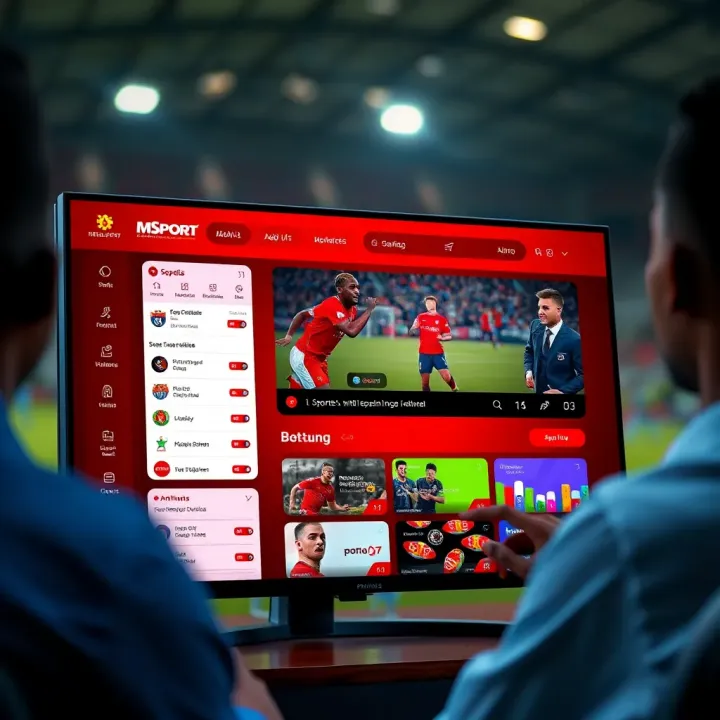
Explore MSport BJ for exciting sports streaming and betting 🎯! Discover features, usability, legality, and its growing impact in Nigeria's sports scene ⚽🤑.

Master practical tips and winning strategies for Msport JetX 🎯 tailored for Nigerian players. Learn game basics, risk control, and how to boost your chances responsibly 💡
Based on 8 reviews