
How to Access and Use Msport Shop on Mobile
📱 Learn how to log in and shop on Msport Shop using your phone or tablet in Nigeria. Get tips on troubleshooting, exploring features, and safe buying online!
Edited By
James Ellison
Msport Mobile Shop has carved a niche for itself in Nigeria's bustling mobile phone market, especially for used and old mobile phones. As tech gadgets rapidly update, many Nigerians find themselves wanting affordable options without compromising on quality. Msport addresses this demand by offering a range of both new and second-hand mobile phones, attracting a diverse customer base.
Understanding how Msport operates is key to grasping why it remains a go-to for many buyers and sellers. They do not only sell phones but also buy back working used devices, often refurbished before resale. This creates a continuous flow in the market, making old mobiles more accessible, especially for students, budget-conscious workers, and small business owners.
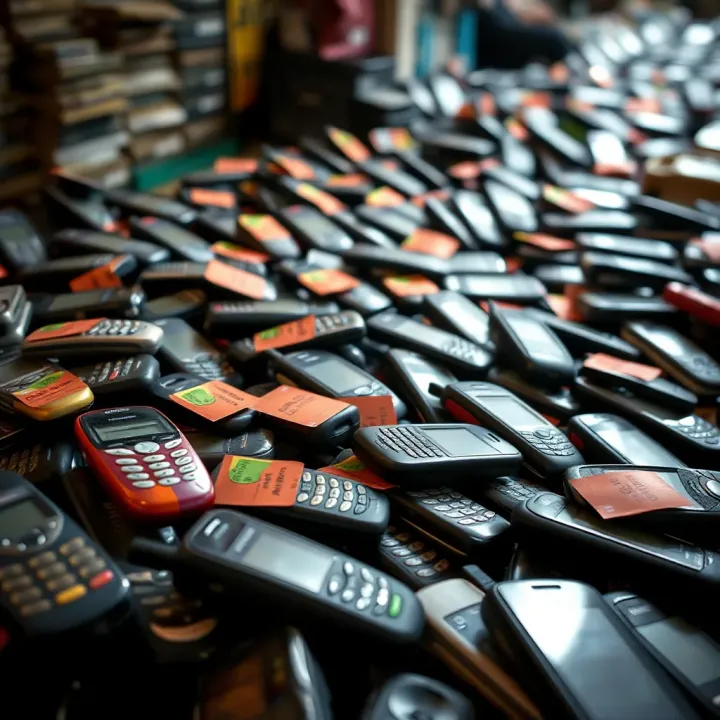
Buying or selling old mobile phones through a reliable shop like Msport can reduce risks linked to faulty devices or scams common in the informal market.
Fair Pricing: Msport offers competitive prices based on current demand and condition, making sure customers get value for their money.
Warranty and Return Policies: Unlike many roadside sellers, Msport provides limited warranties on used phones, giving buyers some peace of mind.
Quality Checks: Phones are tested for functionality before sale, reducing the chance of buying a device with hidden issues.
For those selling old phones, Msport offers a clear and straightforward process. Sellers get instant valuation based on brand, model, and condition, then can either accept offers or negotiate. This transparency helps curb the common problem of underpriced sales in the Nigerian market.
Old phones still hold strong economic importance. Nigeria’s large youth population and growing middle class mean the demand for affordable mobiles remains high. Used devices often serve as entry points for people to connect with the digital world for work, learning, and entertainment.
That said, buyers should keep in mind:
Battery Life and Spare Parts: Older phones might need battery replacements soon, and availability of quality spare parts varies by brand.
Software Support: Many used phones no longer receive software updates, risking compatibility with new apps.
Price vs. Condition: Always balance cost with condition to avoid spending on repairs that exceed the device’s value.
In the next section, we will look into practical tips for buying and selling used phones at shops like Msport to get the best value in today’s Nigerian market.
Understanding Msport Mobile Shop is key to appreciating its role in Nigeria's mobile phone market, especially for old phones. As a retailer known for quality and variety, Msport serves both buyers and sellers, offering practical solutions in a market known for its challenges with authenticity and pricing.
Msport Mobile Shop has built a solid reputation over the years, especially in Lagos and Abuja. It's often praised for trustworthy dealings, particularly in selling used phones that are tested and come with warranties. In markets where counterfeit phones and dubious sellers abound, Msport stands out for offering verified and genuine products. For example, many buyers prefer Msport over informal sellers because it reduces the risks of getting faulty devices.
Msport doesn’t just sell mobile phones; it extends its services to include device repairs, accessories sales, and trade-in options. Customers can find smartphones from top brands like Tecno, Infinix, Samsung, and Apple, both new and used. They also offer SIM registration services, helping customers comply with Nigeria Communications Commission (NCC) policies. Plus, the shop often stocks refurbished phones that undergone thorough checks — a valuable choice for buyers balancing price and quality.
With stores located in major commercial hubs like Lagos Island, Ikeja, and Wuse, Msport Mobile Shop makes it easier for Nigerians in urban centres to access their products. Online accessibility is growing, too, with a presence on popular e-commerce platforms and social media, which is especially helpful for those outside big cities. The shop’s locations come with good transport links, making it convenient for buyers who often deal with Lagos traffic and public transport like danfo or okada rides.
Msport's balance of physical outlets and growing online presence meets Nigerians where they are — bridging the gap between traditional markets and digital convenience.
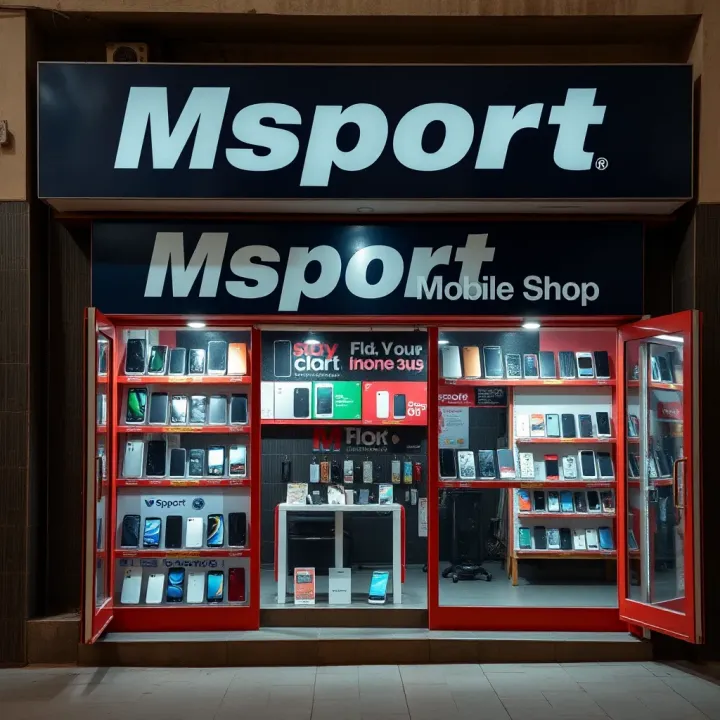
To wrap this section, knowing Msport Mobile Shop’s background, product range, and convenient locations help buyers and sellers make informed decisions. This overview sets the stage for understanding the larger market dynamics of old mobile phones in Nigeria.
The market for old mobile phones in Nigeria remains vibrant due to a mix of economic realities and consumer preferences. Many Nigerians prefer buying second-hand phones as a way to access brand-name devices without paying new prices that are often unaffordable. This sector plays a vital role in mobile connectivity, especially in regions where income levels limit access to brand-new devices.
Old mobiles stay popular because they offer immediate affordability and decent quality, especially models from reputable brands like Samsung, Tecno, and Infinix. For instance, Nigerians often opt for used smartphones when a new release pushes prices up or during tough economic times like the ember months when spending tightens. Moreover, old phones are seen as reliable for everyday use, such as basic calls and WhatsApp messaging, without the heavy price tag of the latest models.
Used phones in Nigeria usually come from three main sources. First are trade-ins and upgrades from urban consumers who want to switch to newer models; these phones are often still functional but replaced for newer features. Second, some old phones arrive as tokunbo imports from Europe or the US, where devices deemed outdated locally find a second life. Third, phones may come from refurbishing outlets where faulty or damaged phones are repaired for resale. Businesses like Msport Mobile Shop tap into these sources to provide affordable but reliable options.
Prices for used mobiles in Nigeria generally range from ₦10,000 for basic feature phones up to about ₦80,000 for popular smartphones in good condition. Factors affecting the value include brand reputation, phone condition, battery health, network compatibility, and whether the phone has official warranty or accessories. For example, a used Samsung Galaxy A12 in good condition might sell for around ₦40,000, whereas older models without warranty or with visible damage may go for less than ₦15,000. Market conditions such as naira exchange rates and import duties also influence pricing significantly.
Buying or selling old phones requires careful consideration of these factors to get the best value. Knowing where phones come from and the realistic price ranges helps consumers avoid scams and get the most out of their money.
Understanding this market landscape is essential for anyone dealing with old mobile phones, whether buying for personal use or trading professionally through shops like Msport. The balance between affordability, quality, and authenticity shapes how Nigerians engage with used mobile phones day to day.
Buying used mobiles at Msport Mobile Shop gives Nigerian consumers reliable access to quality second-hand phones, a fix many need in a market flooded with both genuine and fake devices. For buyers keen on saving money while getting a dependable phone, Msport stands out due to its vetting processes and customer-focused policies.
Msport Mobile Shop checks every used phone for authenticity to prevent customers from buying counterfeit or cracked devices. For example, they verify the phone’s International Mobile Equipment Identity (IMEI) number against manufacturer databases, making sure it hasn’t been reported stolen or blacklisted. Plus, Msport technicians run diagnostic tests to assess battery health, network functionality, camera performance, and screen condition before listing a phone for sale. This hands-on approach means buyers avoid surprises like non-working cameras or faulty SIM trays—common troubles for second-hand phone buyers in Nigeria’s informal market.
While many second-hand sellers offer no warranty, Msport provides a limited warranty period on used phones, usually spanning 7 to 14 days, depending on the device. If problems arise within this timeframe, buyers can return or exchange the phone. Msport’s return policy covers major faults, not wear and tear, so customers should inspect devices promptly. This policy protects buyers from losing their naira on defective phones—a big confidence booster compared to buying used phones from informal markets where buyer beware prevails.
Even with Msport’s checks, buyers should always inspect phones themselves before finalising any purchase. Here are key tips to consider:
Check the physical condition: Look for cracks, dents, or loose buttons. A heavily worn exterior might hint at internal problems.
Test the touchscreen and display: Open apps, swipe around, and look out for dead pixels or unresponsive areas.
Try the cameras: Take photos with both front and rear cameras to spot blurry images or failures.
Insert your SIM and memory card: Confirm proper network registration, call quality, and data connection.
Listen to speakers and test the microphone: Make a quick call to someone or record voice notes.
Check battery health: Msport provides this data, but also ask staff for battery performance details. A weak battery drains quickly and may need replacement.
Taking these steps helps you avoid regrets after purchase and ensures you get a phone that truly meets your expectations.
Buying used mobiles at Msport combines the advantage of cost savings with credible services that protect Nigerian consumers. For bettors, market analysts, and anyone needing dependable mobile devices without paying top price, knowing where and how to buy safely matters significantly.
Selling old mobile phones has become a practical option for many Nigerian consumers, especially with the growing demand for affordable devices and upgrades. Platforms like Msport Mobile Shop provide a structured avenue where sellers can trust fair pricing and quick transactions. However, knowing how to present and price your phone properly can make a huge difference in securing the best offer.
Before listing your phone for sale, take time to clean it thoroughly inside and out. Dirt, fingerprints, and scratches may discourage potential buyers or lower the value. Backup all your data and perform a factory reset to wipe personal information securely. Don't forget to remove any SIM or memory cards. If you still have the original box, charger, or accessories, gather them. These extras can sweeten the deal and help you command a better price. For example, a well-maintained Samsung Galaxy A21s with complete accessories tends to attract higher offers than one missing the charger or in poor condition.
Research the going market rates for your model in similar condition, especially on platforms like Msport, Jiji Nigeria, or local listings to understand price ranges. Price your phone slightly above the average but remain competitive to attract interest. Highlight any recent repairs or upgrades, such as a new battery or screen protector, as these justify a premium. If you want a quick sale, consider a slightly lower price but be ready to negotiate. For instance, a Tecno Camon 18 in good condition might list for about ₦70,000, but pricing it at ₦65,000 could draw more buyers faster.
Though Msport Mobile Shop is a reputable choice, several other platforms give you options to reach wider audiences or different buyer segments. Online marketplaces like Jiji Nigeria and OLX are popular, allowing you to list phones directly to interested buyers across various states. Social media marketplaces on Facebook also have active mobile phone groups where sellers post listings. Physical options include local markets, especially in places like Lagos’ Computer Village or trade fairs in Abuja. Remember, each platform has distinct pros and cons; Jiji can reach many buyers but involves haggling, while physical markets offer instant cash but risk counterfeit offers.
Preparing your device carefully and understanding pricing dynamics will greatly improve your chances of getting a good offer, whether through Msport or elsewhere.
Carefully weigh your options to pick the platform that suits your urgency, desired price, and convenience. Whether upgrading to a new phone or freeing up cash, managing the selling process smartly helps you make the most from your mobile phone’s resale value.
The old mobile phone market in Nigeria faces several challenges that impact consumers, sellers, and businesses like Msport Mobile Shop. Understanding these challenges helps buyers and sellers make informed decisions and navigate potential pitfalls effectively.
Counterfeit mobile phones have flooded the Nigerian market, especially in the used phone segment. Sellers sometimes present fake or cloned phones that mimic popular brands but have inferior parts or software. Faulty devices also enter the market through unofficial channels, often without proper inspection. For example, a buyer might purchase a seemingly genuine Samsung phone only to find the battery drains unusually fast or the touchscreen does not respond correctly. These issues lead to distrust among consumers and can hurt reputable sellers. To avoid such problems, buyers should insist on proper quality checks, original serial numbers, and warranty services where available.
Nigeria's regulatory environment affects how old mobile phones are bought and sold. The Nigerian Communications Commission (NCC) enforces SIM card registration policies linked to the National Identification Number (NIN). Phones without properly registered SIMs may face network restrictions or be barred from activation. This situation complicates the resale market because buyers prefer phones that work seamlessly with their SIMs. Additionally, regulatory efforts to curb stolen phones, such as the IMEI database, mean sellers must verify device legitimacy before resale. These policies protect consumers but also require buyers and sellers to be vigilant in paperwork and device verification.
The value of the naira relative to foreign currencies, especially the US dollar, directly affects the price and availability of used mobile phones. Many old phones in Nigeria come from abroad, either through official imports or unofficial channels. When the naira weakens, the cost of importing phones rises, pushing prices higher for consumers. Import duties and levies also add to the final price. For instance, a popular iPhone model priced at $200 abroad may cost over ₦100,000 in Nigeria after accounting for exchange rates and customs charges. These financial pressures make the second-hand market unpredictable, affecting demand and price stability.
Buyers and sellers must stay aware of these challenges to protect their investments and make wiser choices in the Nigerian old mobile phone market.
By recognising these issues, you can engage more confidently with platforms like Msport Mobile Shop and other sellers, knowing the risks and how to mitigate them.
📱 Learn how to log in and shop on Msport Shop using your phone or tablet in Nigeria. Get tips on troubleshooting, exploring features, and safe buying online!
Stay updated with MSport Old Mobile Lite ⚽️ – a sleek, light app perfect for Nigerian users on older phones. Enjoy fast sports news, low data use, and easy navigation.
📱 Need to complete your old Msport mobile registration? This guide breaks down steps, troubleshooting tips, and alternatives for Nigerians revisiting the older platform.
📱Learn how to safely sign up and log in to the old MSport mobile app. Get clear steps and essential security tips to protect your data on Nigerian mobile networks.
Based on 15 reviews