
Understanding Asian Handicap for Nigerian Sports Bettors
🎯 Understand Asian handicap betting—how it adjusts football matches to create fair odds for Nigerian punters. Learn terms, advantages, and tips to boost your ₦ bets wisely.
Edited By
James Adebayo
Handicap in sport is a system designed to balance the playing field between competitors of varying skill levels. It ensures that matches are fair and competitive, regardless of differences in talent, experience, or physical ability. This is particularly important in Nigerian sports, where diverse skill levels often come together in local and national competitions.
At its core, a handicap assigns a numerical value or advantage to the weaker player or team, either before or during the contest. This levels the chance of winning, making sporting events more engaging and less predictable. Take golf, for example: a less experienced player receives strokes based on their handicap, helping them compete more evenly with seasoned opponents. Similarly, in football betting, handicaps adjust the starting score to make wagers on underdogs more appealing.

Handicap systems help maintain fairness and excitement, allowing bettors and fans to enjoy more balanced matches.
Handicaps apply in various sports, each with unique calculations:
Golf: Players receive stroke allowances based on past performance to even out skill differences.
Football (Soccer): Bookmakers set handicaps that add or subtract goals to the final score, balancing teams before kick-off.
Snooker and Pool: Players might start with points deducted or added based on skill level.
In Nigerian sports culture, handicaps serve beyond betting. They promote inclusivity, allowing amateur and semi-professional athletes to enjoy fair competition alongside veterans. In local football tournaments, organisers often use goal handicaps or point adjustments to maintain interest and fairness.
Calculating a handicap involves reviewing previous performance data, such as scores, wins, or player rankings. These figures are then adjusted to a standard scale so that competition remains tight without completely eliminating skill's importance.
Understanding how handicaps function helps sports fans, bettors, and market analysts make more informed decisions. It reflects real effort while keeping contests unpredictable and exciting. This balance is vital in Nigeria's passionate and varied sports scene, where competition thrives both on and off the pitch.
Understanding what a handicap means in sports is fundamental to grasp how competitions stay balanced, especially when players or teams have different skill levels. Defining handicap clearly helps bettors, analysts, and sports fans appreciate why certain adjustments are necessary to make contests fair and engaging. This understanding also explains how organisers manage events to encourage wide participation while maintaining excitement for audiences.
The term "handicap" traces back to 17th century England, believed to have originated from a game called "hand-in-cap," where participants exchanged items of unequal value under agreed terms to equalise stakes. Over time, this term evolved in sports to mean giving one competitor an advantage or disadvantage to level the playing field. Practically, this means a weaker player may start with a benefit to challenge stronger opponents fairly.
In sports, a handicap is a calculated adjustment designed to offset skill disparities between participants. Instead of having contests dominated by the best players or teams, handicaps aim to create competitive balance. For example, in golf, a beginner might receive extra strokes to account for inexperience, allowing the game to remain challenging and fair. The essential benefit is that handicapping encourages participation by reducing discouragement for less skilled players and keeps matches engaging for spectators.
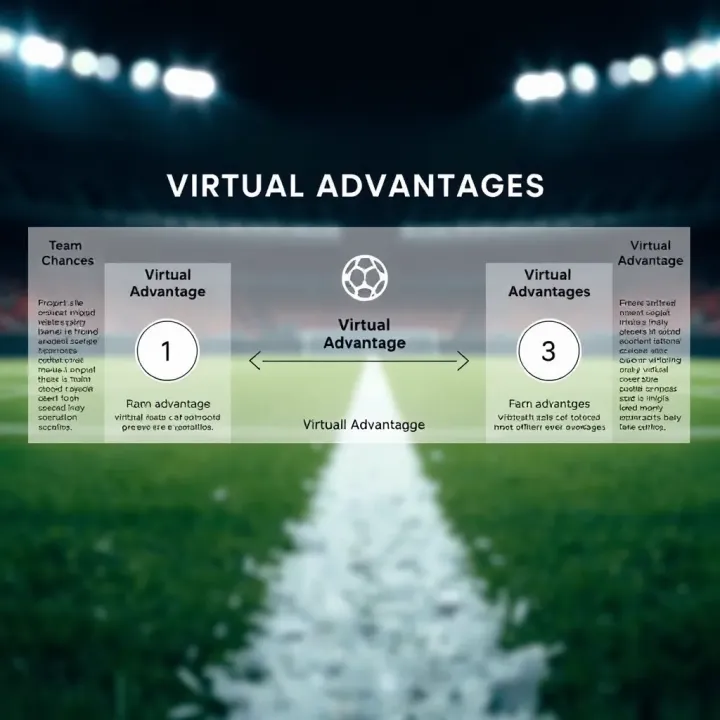
Golf employs one of the most recognised handicap systems globally. Players receive a handicap index based on past performance, allowing amateur golfers to compete with pros more fairly. In horse racing, handicaps come as added weights on faster horses to balance the odds, making each race unpredictable and exciting for bettors. Similarly, in football (soccer), handicap betting involves giving the weaker team a virtual advantage or deficit which affects the final outcome in betting markets. This method influences odds and increases interest by making games less one-sided.
Standard scoring records raw results—goals scored, strokes taken, or times achieved—without adjustments. Handicap scoring, however, modifies results by adding or subtracting points or weights to balance skill differences. This ensures that winners are not always the most skilled but those who perform best relative to their handicap. For instance, a golfer with a high handicap might count fewer strokes towards their total score, enabling competition with a lower-handicap player on a fairer basis. This difference makes handicaps invaluable for maintaining excitement and fairness beyond raw ability.
Handicap systems are practical tools that make sports competitive across skill levels, balancing contests while sustaining interest for players, fans, and industry stakeholders alike.
Originated from a simple trade game to balance value
Applied practically to adjust skill differences in various sports
Creates fairness and competitiveness where uneven skill exists
Used internationally but adapted locally in many disciplines
Having a firm grasp of what handicap means helps bettors understand odds better and informs market analysts on event fairness. Plus, sports administrators use these definitions to design fair tournaments that attract broader participation and sponsorship.

A key purpose of handicaps in sports is to create a level playing field. This means giving competitors of different skill levels a fair chance at winning. For example, in golf, a less experienced player might receive strokes advantage over a seasoned pro, making the game competitive instead of one-sided. Without handicaps, the gap between novices and experts could discourage participation and cause matches to become predictable.
Besides fairness, handicaps encourage athletes at all levels to join competitions. When new or less skilled players see they can compete fairly, participation rises. This is especially important in local Nigerian sports, where beginner football teams or amateur runners can face daunting odds without a balancing system. Encouraging wider involvement helps uncover fresh talent and keeps the sport vibrant.
Handicaps make matches more competitive by reducing the chance of easy wins. When players or teams are matched beyond pure skill, contests become unpredictable and exciting. Consider horse racing in Nigeria: weighted handicaps slow stronger horses and give weaker ones better chances, intensifying the race thrill. Spectators enjoy the suspense, which often translates to higher attendance and better atmosphere.
Attracting spectators and sponsors is closely tied to this excitement. Events where outcomes are uncertain draw bigger crowds, both physically and through broadcasts. Sponsors come on board where the audience is engaged, knowing their brand visibility improves. In Nigerian football leagues, handicaps like point spreads help bettors and fans stay interested, boosting betting turnover and commercial investment. Thus, handicaps are vital tools for growing sports economically and socially.
Handicaps do more than just balance ability; they fuel competitiveness, encourage inclusion, and sustain the economic ecosystem around sports, especially in diverse sporting environments like Nigeria.
By making competitions fairer and more engaging, handicaps serve both players and business interests, proving their relevance beyond just scorekeeping.
Handicaps help level the playing field, making competitions more engaging and fair for all participants. They adjust for differences in skill, age, or experience, allowing stronger and weaker competitors to face off more evenly. This has practical benefits, especially in popular sports across Nigeria and beyond, where diverse skill levels are common.
The golf handicap index measures a player’s potential ability on a course of standard difficulty. It’s calculated based on the best scores from a player’s recent rounds, adjusted for course difficulty. For example, if a golfer consistently scores below the course rating, their handicap index will be lower, reflecting better skill.
In tournaments and casual play, handicaps allow players of different abilities to compete fairly. A novice with a higher handicap gets strokes deducted from their final score, making their result more comparable against experienced golfers. This not only encourages participation but also keeps the game competitive and enjoyable for everyone.
In horse racing, handicaps are applied by assigning extra weight to stronger horses to balance the competition. This weight adjustment aims to give all horses an equal chance of winning despite differences in past performance or pedigree.
These weight differences affect race outcomes significantly. Bettors use handicaps to assess which horses have realistic chances, considering the weight they carry. In Nigeria's horse racing scene, handicaps help make betting more strategic and less predictable, keeping the sport thrilling and fair.
In football and basketball, point spreads serve as informal handicaps by giving one team a virtual head start or deficit before the match begins. This evens out betting markets and makes games more exciting for bettors, ensuring close contests even if one side is stronger.
E-sports and informal sports events often adopt simpler handicap systems, like giving weaker players extra lives or starting them closer to victory. This practice fosters competitiveness and inclusivity, especially where official ranking systems may be absent. In Nigeria, informal handicap approaches have grown with the popularity of e-sports, making games accessible to all skill levels.
Handicaps, whether through precise calculations in golf or weight adjustments in horse racing, serve a common purpose: ensuring the competition remains fierce and fair. This benefits players, bettors, and fans alike by maintaining interest and unpredictability.
Understanding these common handicap types provides useful insights for anyone involved in sports, betting, or market analysis, helping make better decisions and appreciate the mechanics behind the competition.
Handicap calculation is where theory meets practice, providing a fair way to measure skill differences and balance competition. When applied correctly, it keeps contests competitive without favouring stronger players outright. This section focuses on how handicaps get determined and how they work on the ground, especially within Nigerian sports settings.
Performance-based calculations rest on actual results and statistics of players or teams. For example, in golf, a player’s recent scores compared to the course difficulty generate a handicap index, which adjusts their standing in future rounds. This method helps reflect current form rather than reputation alone. In Nigerian football amateur leagues, similar systems can be applied by tracking goal differences and win ratios over the season to assign handicaps that level uneven matchups.
Adjusting handicaps based on performance ensures that a player's or team's evolving skill doesn't go unnoticed. It prevents overly penalising newcomers or rewarding consistent players unfairly. Plus, it adds motivation for improvement, as players see direct impact on their handicap from recent games.
Adjustments for conditions and past results go beyond raw performance numbers. They consider factors like weather, playing surface, or opponent strength, which can significantly affect outcomes. For instance, in Nigerian horse racing, a horse might carry heavier weights when racing on a wet track due to added challenge. Similarly, handicaps may be tweaked in football after strong performances against tough opponents to better represent actual ability.
These adjustments are vital for fairness, as sport rarely happens in perfectly stable conditions. Without them, handicaps may misrepresent players’ true capabilities, causing mismatches or unfair advantages. In practice, event organisers often review results to fine-tune handicap values before the next competition.
The Nigerian sports environment presents unique challenges for handicap implementation. Constraints like limited access to accurate data, inconsistent record-keeping, and uneven competition standards make it hard to keep handicaps up to date. For example, grassroots football tournaments often lack detailed statistics, forcing organisers to rely on subjective assessments rather than calculated indices.
Power issues and funding shortages also affect regular play and data collection. The absence of standard measurement systems in some sports means handicaps might be set arbitrarily, which undermines the system's goal of fairness. Addressing these issues requires better infrastructure and training on handicap administration.
On the flip side, several local competitions have successfully employed handicaps to boost inclusivity and excitement. The Lagos Amateur Golf Society uses a performance tracking system to rank players and assign handicaps, making matches more competitive despite skill gaps. Similarly, some horse racing meets at the Nigerian Turf Club regularly adjust weights to balance the field based on past race results.
These examples show that with committed organisation and sensible application, handicaps can thrive even amid Nigeria’s sporting realities. They encourage participation, enhance betting fairness, and improve public interest in sports. Continued investment in data collection and handicapping education will only strengthen this impact.
Handicaps are not just numbers; they are tools that, when well calculated and applied, create fair contests, sustain competitive spirit, and keep the excitement alive in Nigerian sports.
Calculating handicaps requires solid data on past performances and must reflect real skill levels.
Adjustments for conditions and opponent quality refine handicap accuracy for fairness.
Nigeria’s sports face challenges like poor data and inconsistent standards but local successes prove handicaps' worth.
Improving infrastructure and training in handicap methods will deepen Nigeria’s sports competitiveness and fan engagement.
Handicap systems have a significant role in Nigerian sports as they help balance competition between players and teams with varying skill levels. This ensures more engaging contests, especially in popular local sports where differences in abilities can be quite wide. By adapting handicap principles to the Nigerian context, sports organisers encourage broader participation and maintain spectator interest.
Golf remains one of the sports in Nigeria where the handicap system is widely understood and applied, especially among professionals and serious amateurs. Golf clubs in Lagos, Abuja, and Port Harcourt familiarise their members with handicap indexes, which are used to level the playing field during tournaments and friendly matches. This allows players of different skill levels to compete fairly by adjusting scores based on their handicaps.
Similarly, horse racing in Nigeria employs handicapping through weight adjustments for horses. The Nigerian horse racing circuit, especially at venues like the Lagos Racecourse, often assigns different weights to horses depending on past performance. This system prevents dominant horses from having unfair advantages, making betting markets more competitive and encouraging wider spectator participation.
Though football in Nigeria doesn’t use formal handicap systems as seen in golf or horse racing, informal adaptations occur, particularly in local and youth tournaments. For instance, weaker teams may be granted extra goals or allowed more substitutes to keep matches competitive. These local tweaks help maintain interest and fairness without strictly formalising handicaps.
In athletics, adapted handicapping happens during training or inter-house competitions where athletes of different age groups or experience levels compete together. Time adjustments or staggered starts act as practical handicaps to balance competition, allowing less experienced runners a more level chance in races.
Handicap systems promote inclusivity by allowing amateurs and professionals, men and women, or younger and older athletes to compete on the same platform without skewing results unfairly. This is especially relevant in Nigeria where access to training facilities and resources is not uniform. With handicaps, those who might otherwise be discouraged from competing can join in and measure themselves against stronger opponents.
This also fuels competitiveness as players and teams strive to improve their handicaps, knowing that it reflects their skill relative to others. It breaks the barrier of unequal competition and motivates sports enthusiasts to stay engaged, benefitting grassroots and professional levels alike.
Handicap systems also deeply influence Nigeria’s vibrant sports betting market. Bookmakers adjust odds using handicaps to equalise chances between uneven teams or players, which sharpens betting strategies and attracts serious bettors. For example, football matches with point spreads make games involving popular teams like Enyimba or Kano Pillars more attractive by balancing betting stakes.
From the viewership standpoint, handicaps maintain audience interest throughout the match or event. When betting options are competitive, and matches are unpredictable due to handicaps, more fans tune in or visit sports bars and 'mama puts' on match days. This fuels economic activities around sports, from merchandise sales to local hospitality.
Handicap systems are more than just score adjustments. In Nigeria, they shape how sports are played, watched, and bet on, driving inclusivity and fairness while keeping passion for sports alive across different levels.
🎯 Understand Asian handicap betting—how it adjusts football matches to create fair odds for Nigerian punters. Learn terms, advantages, and tips to boost your ₦ bets wisely.

Explore the world of sports msport 🏃♂️ in Nigeria! Learn its origins, types, impact on athletes, training, and future trends shaping Nigerian sports today.

Discover how Msport Neteller helps Nigerians manage funds for online betting 🔄, with easy setup, key benefits 🇳🇬, and tips to navigate challenges securely 💡.
Explore MSport games 🎮 blending tech and sports ⚽ in Nigeria 🇳🇬. Learn types, operations, impacts, and future opportunities shaping the Nigerian gaming scene.
Based on 6 reviews