

Understanding MSport Gambling in Nigeria
Explore how MSport gambling works in Nigeria 🇳🇬, with insights on features, payments 💳, legality ⚖️, and tips for safe betting to keep your stakes smart and secure.
Edited By
Rebecca Nnaji
MSport games stand at the meeting point of technology and sports entertainment, rapidly gaining traction in Nigeria. These games blend elements of traditional sports with digital platforms, creating engaging experiences for fans and players alike. Unlike conventional sports betting, MSport games offer an interactive mix of skill, strategy, and sometimes luck, making them more immersive.
MSport primarily covers a wide range of digital and simulated sports activities—from virtual football matches to fantasy leagues and live e-sports tournaments. Popular titles under this banner include virtual football simulators, where outcomes are generated by computer algorithms reflecting real-world data, and fantasy sports platforms that allow users to draft virtual teams using real players.
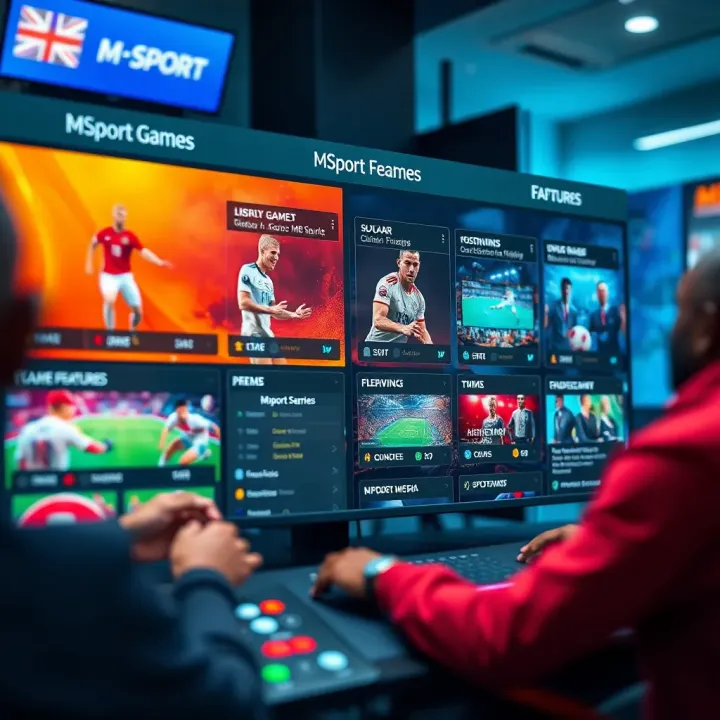
Several Nigerian platforms such as BetKing and NairaBet have integrated MSport offerings alongside their traditional betting services, encouraging participation from both bettors and sports fans. This fusion has helped deepen engagement during weekends when local football leagues see heavy traffic, as well as during off-season periods, keeping the excitement alive.
MSport games are shaping how Nigerians consume sports, offering fresh opportunities to engage, bet, and even earn.
The technology driving MSport games often relies on real-time data feeds from leagues like the Nigerian Professional Football League (NPFL) or international competitions such as the English Premier League (EPL). This data feeds into game simulations that create realistic outcomes, which players can bet on or compete within.
For bettors and market analysts, understanding MSport means recognising the growing influence of data analytics and algorithms. These games provide more nuanced options for predicting outcomes, highlighting player performance metrics and tactical scenarios that don’t often surface in traditional betting markets.
In summary, MSport games offer a dynamic crossover between sports and gaming culture in Nigeria, driven by evolving technology and a thirsty fan base. Knowing the different types, how they operate, and their unique appeals helps you spot opportunities in this expanding scene.
MSport games stand at the crossroads of sports and digital gaming, merging physical competitive elements with virtual experiences. Understanding what MSport games entail is vital for sports fans, bettors, and market analysts alike because they represent a rapidly growing sector within Nigeria’s entertainment market that blends technology with traditional sports passion. These games offer new opportunities for engaging audiences, betting ecosystems, and sporting content dissemination.
MSport games originated from the growing demand to combine real-world sports with interactive technology. Initially inspired by sports simulations and early esports, these games evolved to include augmented reality (AR) and virtual reality (VR) features, creating hybrid entertainment models. In Nigeria, this evolution mirrors the increasing smartphone use and internet accessibility, bringing MSport games closer to local sports aficionados.
The practical benefit here is that MSport games foster wider participation and viewership. For instance, a football fan in Lagos can engage not just as a spectator but as a virtual participant, either by playing or predicting outcomes, thus deepening their connection to the sport beyond traditional means.
MSport games are designed around realistic sports mechanics combined with interactive digital features. They often simulate real sports scenarios—like football matches or basketball games—allowing players to control teams or athletes. These games incorporate real-time data, player stats, and sometimes even live feeds to enhance authenticity.
Key features include dynamic gameplay, user customization, and multiplayer modes enabling social interaction. For bettors and risk managers, this means MSport games offer new predictive models and betting interfaces that reflect both physical performance and digital strategy, broadening the scope of sports wagering.
MSport games differ from traditional sports by introducing virtual components that simulate or complement physical events. Unlike standard video games, they usually require an understanding of actual sport rules and athletic strategies, making them more relatable for sports fans. For example, a tennis MSport game might factor in realistic ball physics and player fatigue, aspects absent in typical arcade games.
This blend keeps the excitement of physical sports alive while adding the flexibility and creativity of digital gaming. For Nigerian youths, it means they can engage with their favourite sports even when physical play might be limited by space, weather, or safety concerns.
Unlike conventional video games, MSport games place emphasis on immersion through interactive technology such as motion sensors, VR headsets, and online connectivity. These elements allow users to feel part of the game environment—simulating actions like kicking a ball or running down the pitch. This immersive experience greatly appeals to bettors and gamers seeking realistic environments for strategic play and entertainment.
Moreover, the social aspect is strong, where users can compete or collaborate in real time globally or locally. This interaction shapes new communities and drives the commercial growth of MSport gaming in Nigeria, promoting platforms where betting odds and game performances influence each other dynamically.
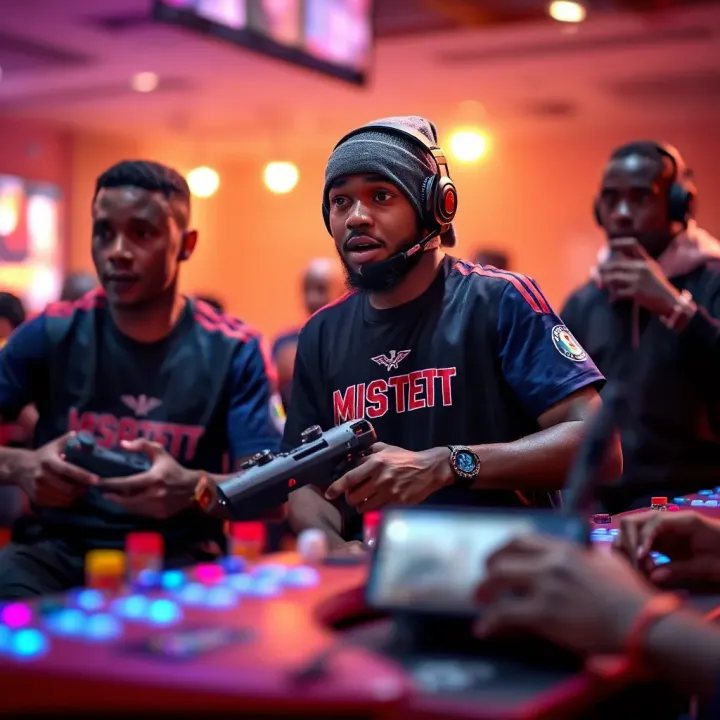
MSport games represent a blend of real and virtual sports that unlock new ways to enjoy, analyse, and profit from sports entertainment, crucial for anyone involved in Nigeria’s evolving sports and betting landscapes.
Key components of MSport games:
Realistic simulation of physical sports
Integration of interactive digital technology
Enhanced multiplayer and social features
Opportunities for betting and analysis based on live data
Understanding these fundamentals equips stakeholders in Nigeria's sports and gaming industries to tap into the potential of MSport games effectively.
Understanding the popular types of MSport games is key to appreciating how technology intersects with sports entertainment. These types not only define player experience but also dictate market opportunities and engagement in Nigeria and beyond. Knowing the distinction between sports simulation games and esports titles with sporting themes can guide bettors, sports fans, and market analysts in recognising evolving trends and practical implications.
Football, basketball, and other major sports options – Sports simulation games closely mimic real-world sports, providing players with digital versions of football, basketball, tennis, and other mainstream sports. Titles like FIFA and NBA 2K remain top choices globally and enjoy rising popularity in Nigeria. These games are valuable because they offer realistic depictions of leagues and players, serving as both entertainment and a tool for fans to engage with their favourite sports off the pitch or court. For Nigerian players, this means bridging local enthusiasm for football, especially the Nigerian Professional Football League (NPFL), with immersive gameplay.
Realism and gameplay features – A defining feature in sports simulation games is the focus on realism. Developers invest heavily in graphics, player physics, and tactical AI to recreate authentic match experiences. For example, football simulations often include detailed animations for dribbling, passing, and shooting, alongside real stadium atmospheres and commentary. These elements enhance immersion, making users feel like part of the action. For bettors and sports analysts, the realistic mechanics provide deeper insights, sometimes influencing betting strategies based on player stats and game dynamics surfaced within the simulation.
Competitive gaming tournaments – Esports titles in the sports category have grown beyond casual gaming, establishing competitive tournaments online and offline. Events such as the ePremier League Africa attract top players from Nigeria and across Africa, spotlighting esports as an emerging career path and entertainment sector. Competitions provide excitement akin to traditional sports fixtures, pulling in fans who bet or follow tournaments religiously. This competitive structure fosters a professional ecosystem, increasing sponsorship and viewership, which benefits stakeholders invested in the gaming and sports market.
Popular games in Nigeria and globally – While global games like FIFA and Rocket League dominate, Nigerian gamers also enjoy unique local nuances in gameplay and community engagement. Titles tailored or adapted for African audiences often incorporate cultural elements or localised features, bridging the gap between global esports culture and Nigerian sports passion. Additionally, games like Pro Evolution Soccer (PES) and Madden NFL maintain global relevance and competitive scenes, offering diverse options for players and fans. For the betting community, awareness of these popular games informs better wagering decisions and market analysis.
Popular MSport games not only entertain but also deepen fan connection to sports through technology, presenting new avenues for engagement, sponsorship, and professionalism in Nigeria’s growing digital ecosystem.
Technology forms the backbone of MSport games, allowing a unique blend of physical sports dynamics and digital gameplay. Without suitable hardware and powerful software, the immersive experience that defines MSport games becomes impossible. Understanding the technology behind these games is crucial for bettors, sports fans, and market analysts who want to appreciate the nuances affecting gameplay quality and market trends.
The choice of hardware largely shapes how players engage with MSport games. Consoles like PlayStation and Xbox remain popular, especially for sports simulation titles known for their realistic graphics and controls. Meanwhile, PCs offer versatility, often preferred by competitive gamers for their customisable setups and ability to run high-end game engines with better frame rates.
Mobile devices have rapidly gained ground due to their accessibility and affordability in Nigeria. Games optimised for Android and iOS allow a wider audience to participate, often with streamlined gameplay suited to smaller screens. This convenience helps expand the MSport gaming scene beyond hardcore enthusiasts to casual players.
Internet connectivity plays a vital role in enabling smooth gameplay, especially for online multiplayer modes. Many MSport games require stable broadband connections to synchronise real-time actions during tournaments or betting platforms. In Nigeria, fluctuating network speeds and data costs can impact user experience, sometimes causing delays or disconnects at critical moments.
Reliable internet is not just about faster speeds but consistent connectivity. This stability affects live betting odds and decision-making for risk managers closely monitoring match progress.
Game engines like Unreal Engine and Unity power most MSport games, providing the tools developers need to create lifelike physics, animations, and interactive environments. These engines support cross-platform development, meaning a game can run efficiently on consoles, PCs, and mobiles with minimal adjustments.
Customising games for Nigerian audiences is increasingly important. Developers incorporate local football clubs, popular athletes, and cultural elements like afrobeat soundtracks or traditional celebrations to make games relatable. This localisation attracts a loyal user base and encourages competitive scenes that resonate with Nigeria’s vibrant sporting culture.
Furthermore, software adaptations account for bandwidth challenges common in many Nigerian regions, offering adjustable graphics settings and offline gaming options. These practical tweaks ensure MSport games remain accessible while maintaining quality.
Understanding these technical components helps stakeholders grasp the factors shaping MSport gaming’s growth and potential in Nigeria’s evolving entertainment and betting industries.
The rise of MSport games in Nigeria reflects a growing confluence of local sports passion and digital interaction. This sector taps into the energy of sports fans and gamers alike, creating opportunities for engagement, business, and entertainment that resonate strongly with Nigerian youths.
Nigeria’s infectious love for football, basketball, and athletics shapes the MSport gaming landscape profoundly. With football being the nation's favourite sport, games replicating the Nigerian Professional Football League (NPFL) or international tournaments like the Africa Cup of Nations attract massive interest. This local sports culture makes MSport games relatable and appealing, allowing players to connect virtual experiences with familiar teams and rivalries.
Moreover, MSport games serve as a social outlet, especially among urban youth. Whether in Lagos, Abuja, or Port Harcourt, meeting at gaming hubs or community centres, young Nigerians enjoy immersive sports gameplay that echoes the excitement of watching real matches or playing on the streets. This blend of tradition and technology creates a unique platform for bonding and expression.
MSport gaming communities in Nigeria have grown from casual groups to structured competitive environments with local tournaments and online leagues. Organisations and gaming centres in cities like Lagos and Ibadan now host MSport competitions, attracting participants who aspire to professional careers or sponsorship deals.
For example, some local esports events feature games focused on football or basketball themes, and these contests often involve prize money and brand endorsements from relevant sponsors. This growing competitive scene helps to legitimise MSport gaming as more than just pastimes; they serve as viable career paths and vibrant social networks.
Despite its popularity, MSport gaming faces significant hurdles due to Nigeria’s unstable power supply. Frequent blackouts and inconsistent electricity force many enthusiasts to rely on generators, making gaming sessions costly and sometimes unpredictable. This problem limits the time and quality of gameplay, especially for youths in areas without reliable backup power.
Poor infrastructure also affects gaming venues and online competitions, hindering the sustainability of gaming centres. Without steady power, these hubs struggle to provide a seamless experience, which discourages participation and growth.
Another major challenge lies in affordable access to gaming devices and high-speed internet. Most cutting-edge MSport games require smartphones, PCs, or consoles, which remain costly for many Nigerian families. While cheaper tokunbo devices are available, they may lack the specs to run advanced games smoothly.
On top of device costs, internet connectivity remains a barrier. Although mobile broadband coverage is expanding, inconsistent speeds and data costs limit continuous online play or participation in tournaments. This digital divide restricts many players, especially in less urbanised areas, from fully engaging with MSport games.
The success of MSport gaming in Nigeria depends not only on enthusiasm but equally on tackling power and connectivity challenges to enhance accessibility and community growth.
Building on local sports culture and actively solving these constraints will shape how Nigeria's MSport gaming ecosystem evolves in the years ahead.
MSport games present a growing space where business potential meets entertainment, making them a key focus for investors, gamers, and market analysts in Nigeria. Understanding these opportunities is vital because they shape how the industry evolves, influencing job creation, media engagement, and even cultural trends. This section explores how sponsorship, professional gaming careers, and technological innovations are carving the future path for MSport games.
Sponsorship and advertising have become lifelines for MSport games’ growth. Nigerian companies, particularly those in banking, telecoms, and beverage sectors, have started seeing the value of sponsoring tournaments or individual players to connect with the youth market. For example, a local telecom giant sponsoring a FIFA eSports tournament can significantly boost brand visibility while resonating with young fans who represent a vast consumer base. Advertising during gameplay streams or events also draws attention because audiences engage more deeply than with traditional commercials.
Professional gaming careers are now emerging as viable livelihoods, especially as more Nigerian youths seriously compete both locally and internationally. Successful players can earn income through prize money, endorsements, and streaming content. Consider how a top player in a popular game like PES or FIFA could secure contracts much like traditional athletes, while building their own brand through social media platforms like YouTube or Twitch. The growth of such careers adds legitimacy to MSport gaming and encourages more participation.
Virtual reality (VR) and augmented reality (AR) technologies offer fresh dimensions to the MSport experience. With VR, players don headsets to get fully immersed on the digital pitch, while AR overlays game data and graphics onto real-world environments, potentially allowing stadium experiences or training sessions to blend with gaming. In Nigeria, these technologies remain nascent due to costs, but as prices fall and access improves, VR and AR could revolutionise how viewers and players interact with sports games, making them almost indistinguishable from real-life action.
Integration with social media and betting platforms is also transforming MSport games. Social media allows players to share victories and connect with fans instantly, driving engagement and community growth. Meanwhile, betting firms see MSport games as untapped markets with chances to offer live betting on digital matches. For instance, betting on a virtual football league offers round-the-clock gaming action, expanding revenue beyond traditional sports. This convergence creates an ecosystem where players, fans, and businesses interact dynamically, expanding the commercial footprint of MSport games.
The future of MSport games in Nigeria hinges on leveraging sponsorship, career opportunities, and tech innovations to build a sustainable and exciting industry that reflects local tastes and global trends.
Explore how MSport gambling works in Nigeria 🇳🇬, with insights on features, payments 💳, legality ⚖️, and tips for safe betting to keep your stakes smart and secure.
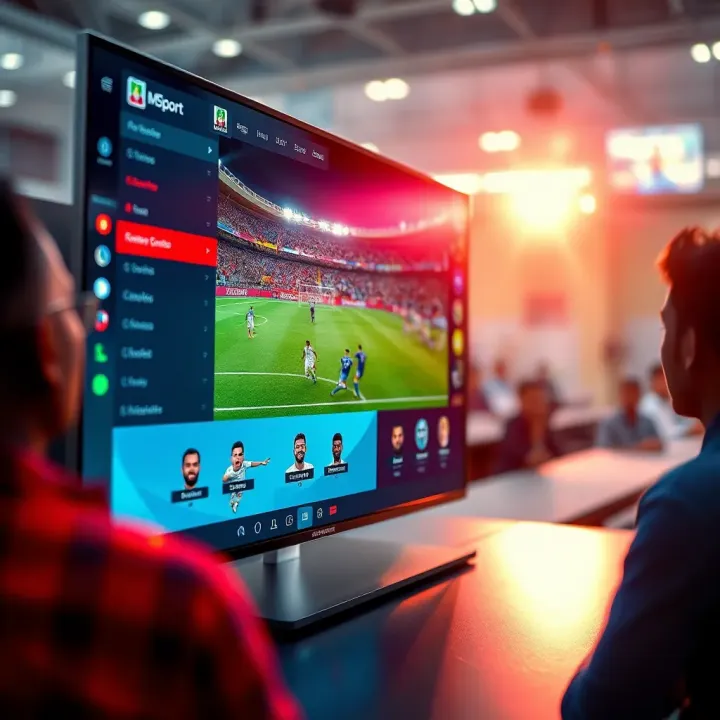
⚽ Explore MSport’s mix of live sports streaming, betting services, and user engagement shaping Nigeria’s digital sports market—reliable and built for Lagos to Abuja fans!

Explore Msport Fortune Tiger 🎰, a popular Nigerian online gaming platform. Learn about features, secure payments💳, usability, bets, plus tips for safe play ₦!
Discover the best Msport apps in Nigeria 📱 for live sports updates, streaming, and interactive features. Find tips to enjoy seamless gameplay and choose right platforms.
Based on 10 reviews