

Understanding MSport Registration in Nigeria
🔑 Learn how to register your MSport in Nigeria hassle-free. Get the full guide on requirements, process, online account management & avoid common challenges.
Edited By
James Adeniyi
MSport registration is a vital process under Nigeria’s Maritime, Shipping, and Ports (MSP) regulatory framework. It ensures that motorists, especially those involved in freight, logistics, and fleet operations linked to port activities, comply with national transportation standards.
The registration covers commercial vehicles, including trucks, tankers, trailers, and some passenger vehicles that operate routes around Nigerian ports. This system helps government agencies monitor vehicle compliance, safety standards, and movement across key maritime hubs.
Fleet owners and logistics companies: Those managing large fleets used for shipping goods to and from Nigerian ports.
Independent commercial truck drivers: Operators who transport cargo within port cities or across states.
Port-related businesses: Companies whose operations involve moving goods via Nigerian seaports.
Registration is not just for heavy-duty vehicles. Even smaller operators must register if their operations intersect with regulated maritime routes.
Being registered with MSport comes with benefits and legal obligations:
Legitimacy: It grants your vehicle official recognition for maritime transport activities.
Access: Registered vehicles can access restricted port areas without hassle.
Compliance: Helps avoid fines and seizures by regulatory authorities.
Operational advantage: Enhances trust with clients who prefer dealing with registered transporters.
Vehicles without MSport registration risk fines and operational delays, especially during cargo clearance and port inspections.
Before applying, you'll need:
Valid vehicle ownership documents (e.g., registration certificate from Federal Road Safety Corps)
Proof of business registration (for companies and fleet owners)
Identification such as National Identification Number (NIN) or Driver’s Licence
Tax Clearance Certificate or evidence of tax payment
Vehicle inspection report from certified centres
Each state or port authority may have slight variations, but these documents form the core requirements.
Obtain and fill the MSport registration form from the relevant port authority or their official online platform.
Submit the required documents along with the completed form.
Undergo inspection at designated vehicle examination centres.
Pay the prescribed fees; fees vary by vehicle type and usage.
Receive the MSport certificate and identification tags.
Following these straightforward steps helps ensure smooth clearance for your vehicles and avoids disruptions in your port operations.
Having this registration up to date is more than formalities—it’s a key part of running a smooth, compliant logistics operation in Nigeria’s maritime sector.
To get a good grasp of the MSport registration process, you first need to understand what MSport actually is and why it matters for the transport and logistics sectors in Nigeria. MSport stands for Maritime, Shipping, and Ports, a sector critical to Nigeria's economy, especially given the country's reliance on maritime trade and vehicle movement through ports. Understanding this framework helps stakeholders—whether individuals or companies—recognise the benefits that registration brings, such as smoother operations, legal protection, and faster clearance of vehicles and goods.
MSport covers all activities related to maritime transport, shipping, and port operations in Nigeria. This includes the regulation of vessels, cargo handling, and the movement of commercial vehicles linked to port logistics. For example, when a freight company imports vehicles or cargo through the Lagos Port Complex, MSport regulations ensure those shipments comply with set safety and operational standards. Registration under MSport helps track these vehicles and shipments, preventing illegal movement and enhancing security.
The Nigerian Ports Authority (NPA) serves as the primary regulatory body overseeing MSport activities. NPA controls port operations and ensures compliance with national and international maritime laws. Working alongside agencies like the Nigerian Maritime Administration and Safety Agency (NIMASA), they enforce rules on how vehicles and shipping firms operate within Nigerian waters and ports. For those registering with MSport, this oversight means adhering to standards that promote safety, accountability, and legal adherence.
Owners managing commercial vehicles—such as trucks transporting goods to and from the seaports—must register with MSport. This registration helps identify authorised vehicles allowed in sensitive port areas and logistics hubs. For instance, a company operating a fleet of refrigerated trucks moving perishable goods from the Apapa Port would need this registration to ensure quick clearance and avoid fines or delays. Registration safeguards drivers and owners by confirming their vehicles are recognised and compliant with port regulations.
Shipping companies and logistics firms involved in handling imports, exports, or inland transportation also fall under MSport’s registration requirement. These businesses benefit from registration through priority access to port services and reduced bureaucracy. A shipping company delivering equipment to major industrial zones like Onne Port gains smoother documentation processing and quicker vehicle movement by being properly registered. This also enhances operational credibility, opening doors to partnerships and contracts that demand compliance validation.
Remember: Registering with MSport is not just about ticking a box. It actively supports your business by ensuring legal compliance, operational ease, and better integration into Nigeria’s maritime economy.
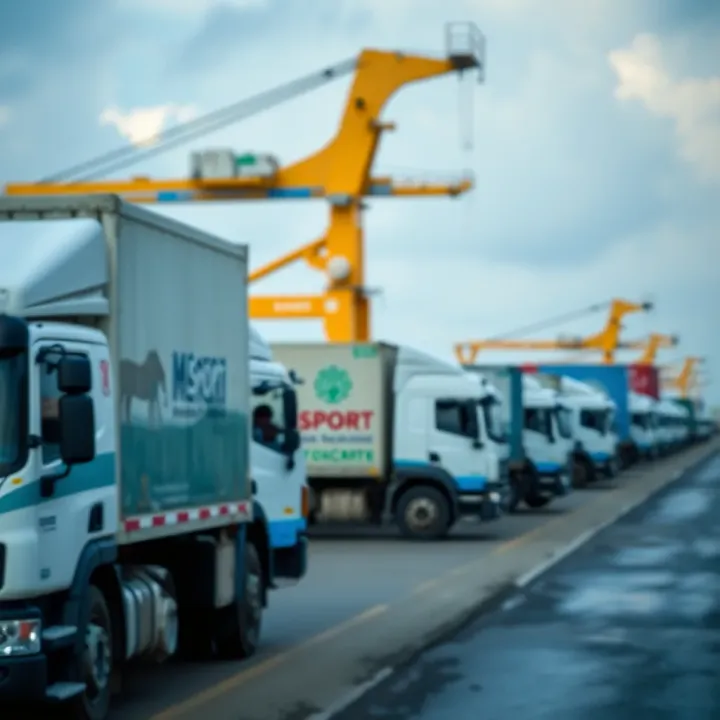
Understanding the roles and scope of MSport, alongside who must register, lays a solid foundation. It prepares vehicle owners, fleet managers, and logistics companies to approach registration confidently, knowing its practical value in everyday Nigerian transport and port activities.
Registering with MSport is a fundamental step for anyone involved with commercial transportation or logistics in Nigeria. Understanding this process clearly will help you avoid delays, unnecessary fees, and compliance issues. This section breaks down the key stages to streamline your registration, ensuring your vehicle or fleet meets the requirements set by the authorities.
Before beginning your MSport registration, gather all vehicle details thoroughly. This includes the vehicle identification number (VIN), make, model, year of manufacture, engine number, and any existing registration documents. Having accurate information ready means you avoid back-and-forths during application, which can prolong the process.
For example, if you're registering a fleet of trucks for a shipping company, ensure each vehicle’s specifications are well documented to submit a complete application quickly. This preparation saves time and reduces common errors that cause rejections.
Next, confirm your vehicle meets Nigerian safety and emission standards. MSport requires compliance to ensure vehicles operate safely within Nigerian ports and shipping lanes. This means checking that your vehicle’s brakes, lights, tyres, and exhaust systems pass the relevant inspections.
For instance, if you import a tikar okada or tokunbo lorry, you must ensure it complies with Nigerian regulatory standards before registration is accepted. Otherwise, you risk delays or outright rejection.
MSport offers online portals where you can submit your application. These platforms provide convenience for busy stakeholders, allowing you to fill forms, upload documents, and pay fees electronically. Using these portals reduces the need to travel physically to registration centres, which is particularly helpful given traffic congestion in cities like Lagos or Port Harcourt.
However, make sure your internet connection is stable and all scanned documents are clear to avoid submission errors. Some applicants also use this facility to monitor their application status in real time.
Alternatively, you can submit your registration documents at designated physical offices or kiosks. These are often located at major ports or transport authorities nationwide. Many prefer this method for direct interaction with MSport officials, especially when clarifying doubts or seeking immediate feedback.
For example, commercial drivers and fleet managers operating around Apapa Port usually find on-site submission useful, given the volume of applications processed there. Just be prepared for possible queues and plan visits outside peak hours.
Registration fees vary depending on vehicle type and fleet size, payable in Naira (₦). The fee structure is often published by MSport, and prompt payment is necessary to complete your registration. Keep proof of payment carefully as it is essential for confirmation.
To illustrate, registering a single commercial truck might cost around ₦25,000, while larger fleets pay proportionally more. Delays in payment or incorrect amounts can stall your application.
Once your application passes verification and payment clears, you will receive official registration certificates and vehicle numbers. These documents are crucial for operating legally within Nigerian transport and shipping systems.
Having your MSport registration number visibly displayed not only confirms compliance but also facilitates smoother clearance at ports and checkpoints. Always keep physical and digital copies secure for future reference.
Timely and accurate compliance with MSport registration steps protects your operations from fines and downtime, keeping your vehicles and cargo moving efficiently across Nigeria.
Registering with MSport (Maritime, Shipping, and Ports sector) demands precise documentation to ensure smooth processing and legal compliance. Understanding which documents to present and their significance can save you from frustrating delays or application rejection. These documents serve as proof of ownership, identity, and business legitimacy, all crucial for operating within Nigeria’s transport and shipping framework.
Proof of vehicle ownership is essential to verify that the registrant has the legal right to the vehicle. This documentation typically includes a purchase receipt, a vehicle logbook, or a completed sales invoice. For example, if you bought a danfo (commercial bus) in Lagos, presenting the original logbook when registering with MSport affirms your claim to the vehicle, helping avoid disputes over vehicle control.
Providing clear evidence of ownership also helps prevent fraud or illegal use of commercial vehicles. Sometimes, tokens like a notarised transfer document or a previous registration certificate add more weight to your application, especially if the vehicle changed hands several times.
The Vehicle Identification Number (VIN) documentation uniquely identifies your vehicle. The VIN is a 17-character code etched onto your vehicle chassis or displayed on the dashboard. It acts like a fingerprint for your vehicle, verifying its make, year, and origin.
For MSport registration, submitting a document reflecting the VIN ensures the vehicle details match official records, which is critical for transport security and customs purposes. For instance, logistics companies importing tokunbo trucks must provide VIN documentation to help Nigerian Customs clear the vehicle without hitches.
Valid national identification cards such as the National Identification Number (NIN) slip, Nigerian driver’s licence, or International Passport establish the identity of individuals registering vehicles. These IDs help MSport confirm the person’s identity, reduce fraud, and link registration records properly.
If you are a sole proprietor registering your okada or personal vehicle, presenting your NIN or driver’s licence is enough to prove your personal identification against the vehicle documents.
For businesses, corporate registration documents are crucial. Companies must submit their Certificate of Incorporation, Memorandum and Articles of Association, and tax identification number (TIN) to show they are legally established and compliant with Nigerian corporate laws.
This documentation allows MSport to verify that fleets registered under corporate names belong legitimately to operational businesses. Logistics firms moving goods across Nigerian ports, for instance, need these documents to register multiple vehicles, simplifying compliance and fostering trust with port authorities.
Ensuring your documents are genuine, up to date, and well-organised significantly speeds up your MSport registration and opens doors to legal and operational benefits.
To summarise, preparing clear vehicle ownership proofs, VIN documentation, valid personal IDs, and corporate registration papers (if applicable) is absolutely necessary. These elements bring transparency and authenticity into the MSport registration process, helping you navigate Nigeria’s transport regulations confidently and without unnecessary delays.
Registering your vehicle with MSport offers concrete benefits that go beyond mere compliance. For motorists, fleet owners, and logistics companies, completing registration helps eliminate unnecessary delays and legal hassles. It also unlocks smoother operations within Nigeria’s complex transport and shipping ecosystem. Understanding these advantages helps you appreciate why MSport registration is not just a formality but a key component for efficient vehicle management and lawful operation.
Failing to register with MSport carries serious consequences. Unregistered vehicles risk being impounded or fined heavily at ports and checkpoints. For example, a logistics company using unregistered trucks may face delays that stall delivery schedules, cutting into profits. Road enforcement agencies and port authorities maintain strict surveillance to ensure that vehicles meet registration requirements, so bypassing this exposes operators to penalties that disrupt business.
On the other hand, following maritime and transport rules shields vehicle owners from these penalties and legal wrangles. Registration assures adherence to Nigerian laws under the Maritime, Shipping, and Ports sector, which helps avoid costly fines and seizure of vehicles. Compliance demonstrates professionalism, which may positively influence inspections and dealings with authorities. Furthermore, registered vehicles often qualify for government schemes or incentives aimed at encouraging lawful transport operations.
One practical benefit of MSport registration is the ease of clearing vehicle shipments at Nigerian ports. Registered vehicles have their documentation readily verifiable against official records, reducing the time customs officials spend on checks. This is especially crucial during busy ember months when port congestion peaks. For instance, a shipping firm registered with MSport will find its cleared containers released for onward transport faster than those with incomplete documentation.
Moreover, registration secures priority in loading and offloading at ports. Cargo linked to registered vehicles is often given precedence in scheduling, removing unnecessary waiting times that can prolong turnaround. This priority matters in Lagos ports where space and time are premium commodities. By securing fast port handling, operators optimise fleet utilisation and reduce costs tied to delays, such as paying for additional storage or extending driver working hours.
For vehicle owners and logistics operators, registering with MSport is not just regulatory box-ticking — it directly impacts operational efficiency and financial outcomes.
In summary, registering with MSport ensures you stay within legal boundaries, dodge penalties, and access smoother transport and shipping services. These advantages support both daily operations and long-term business sustainability in Nigeria’s transport sector.
Registering with MSport in Nigeria is a key step for commercial vehicle owners and logistics firms, but it is not without its hurdles. Understanding common challenges helps applicants prepare better and avoid unnecessary delays. This section highlights the difficulties encountered during the process and offers practical solutions to handle them.
Delays in application processing are among the most frequent frustrations. Many applicants find that after submitting their forms and documents, the wait time for approval or feedback stretches longer than expected. This can occur due to a backlog at registration centres, especially during peak periods like the ember months or around tax deadlines when lots of fleet operators rush to comply.
Such delays may affect business operations, especially for logistics companies dependent on timely port clearance and vehicle deployment. For example, some fleet managers report waiting several weeks before receiving registration numbers, causing trucks to stay idle and incur extra costs. These holdups usually result from limited staff or inefficient processing systems rather than individual application errors.
Document verification problems also cause complications. MSport registration demands accurate vehicle ownership papers, valid National Identification Numbers (NIN), and, for companies, up-to-date CAC (Corporate Affairs Commission) registration documents. Minor mistakes—like mismatched names, expired IDs, or missing signatures—lead to repeated rejections or requests for resubmission.
This verification stage can slow things down, because the authorities strictly enforce compliance to prevent fraudulent registrations and ensure proper tracking of commercial vehicles. For instance, a truck owner using an outdated roadworthiness certificate or an expired identification card may have their application stalled, even if all other paperwork is intact.
Seeking help from authorised agents is one of the best ways to navigate MSport registration smoothly. These agents understand the nitty-gritty of the process, including the common pitfalls and the best practices for submitting complete applications. They can save applicants time by guiding document preparation, scheduling appointments, and even following up with the registration office on their behalf.
For example, some Lagos-based transport groups collaborate with licensed MSport agents whose help has significantly reduced their registration turnaround times. Engaging such professionals helps avoid basic errors and boosts confidence in successful registration.
Ensuring all documents are valid and complete cannot be overstressed. Before submitting applications, applicants should double-check every form and certificate, confirm that all identification numbers match, and verify that no pages are missing from multi-part documents. Using a checklist tailored to MSport’s requirements reduces the risk of rejection.
A practical step is to cross-reference your documents with MSport’s official guidelines, making sure your vehicle ownership proof, NIN, CAC certificates, and any relevant certificates are current and correctly filled out. Such diligence not only speeds up verification but also prevents frustration from repeated application resubmissions.
Being thorough and seeking expert advice are key to overcoming MSport registration challenges, ensuring quicker access to vehicle registration and port clearance.
Addressing these challenges upfront empowers vehicle owners and fleet managers to stay compliant with Nigerian transport regulations without unnecessary interruptions.
🔑 Learn how to register your MSport in Nigeria hassle-free. Get the full guide on requirements, process, online account management & avoid common challenges.
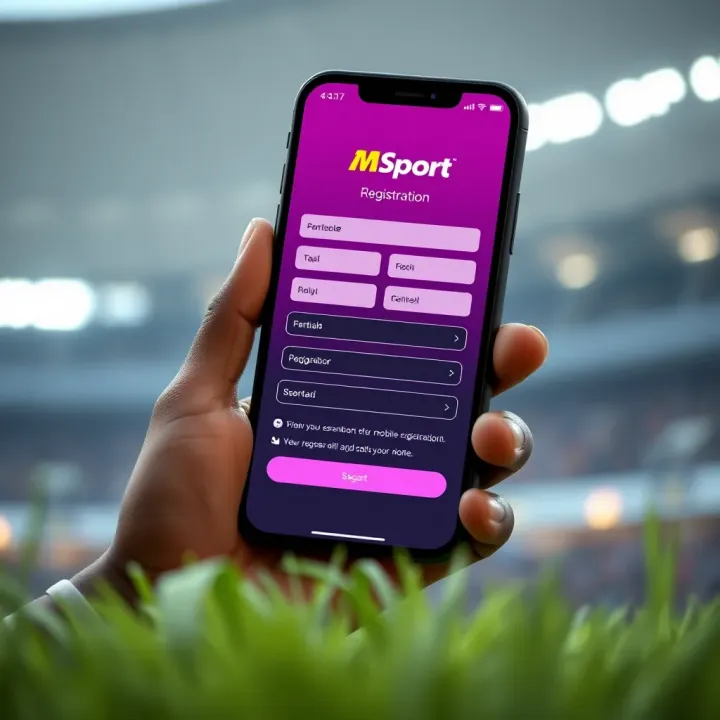
🎯 Learn how to fill the MSport mobile registration form in Nigeria step-by-step. Discover tips for quick signup, solving common issues, and keeping your account secure.

🔍 MSport verification simplifies your access to the platform in Nigeria. Learn how to complete it easily, dodge common issues, and enjoy secure MSport services hassle-free.
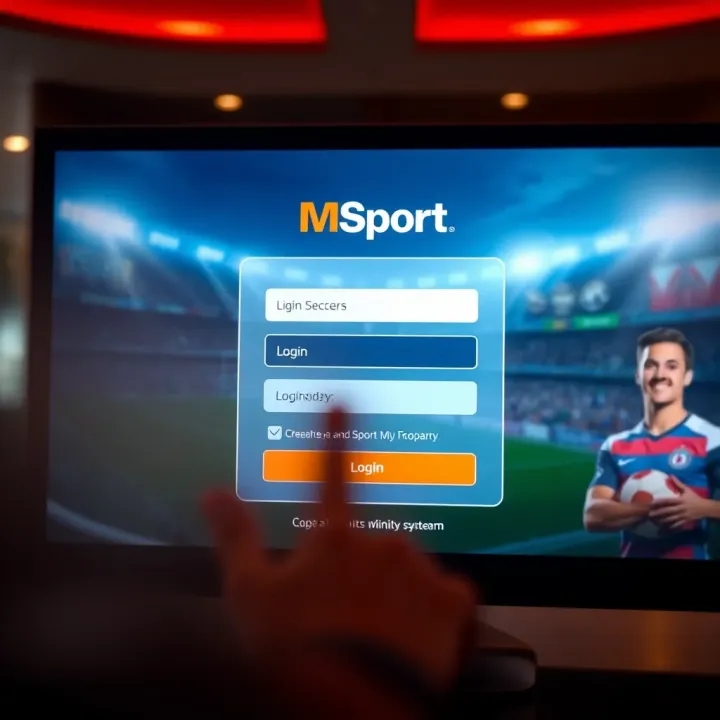
📲 Get a clear step-by-step guide to MSport registration and login in Nigeria, with tips to fix common issues and keep your account secure while enjoying all sports features.
Based on 15 reviews