
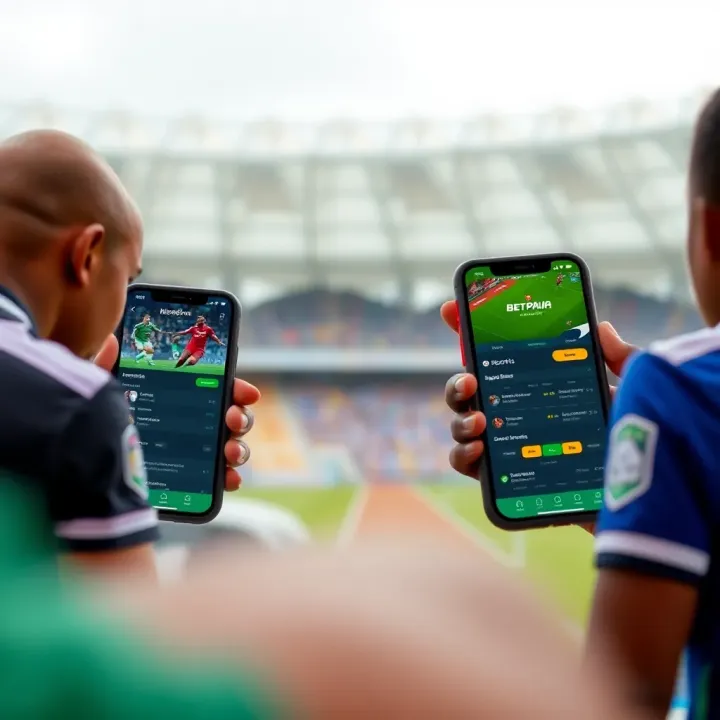
Msport vs Betpawa: Sports Betting in Nigeria
Compare Msport and Betpawa ⚽️—see which sports betting platform suits Nigerians best. Explore features, payment options, bonuses, and trust factors for safer bets in ₦.
Edited By
Elizabeth Harding
Sports betting in Nigeria has surged in popularity over the last decade, evolving from a niche pastime to a mainstream activity that captivates millions nationwide. This growth is tied closely to the rise of mobile internet and digital platforms, making betting accessible beyond traditional outlets.
The Nigerian betting market covers football, basketball, tennis, and several other sports, offering a range of wagering options that suit both casual fans and seasoned gamblers. Platforms like Bet9ja, NairaBet, and Merrybet have become household names, providing user-friendly apps and reliable payment methods compatible with Nigerian banks and mobile wallets.
Understanding sports betting here involves recognising its appeal as more than just entertainment. Many Nigerians use it as a means to earn extra income, especially amidst the challenging economic environment where daily expenses often stretch limited budgets. However, betting also carries risks—poor decisions and lack of knowledge can lead to significant losses.
Responsible betting means knowing your limits, setting budgets, and avoiding chasing losses, which is essential given the easy access to betting via smartphones.
Key aspects to note when starting include familiarising yourself with popular bet types such as singles, accumulators (parlays), and over/under goals. Knowing the odds format—decimal or fractional—is critical to calculating potential returns effectively.
Besides entertainment and profit, sports betting has economic implications. It supports job creation in the technology, marketing, and retail sectors tied to betting platforms. Regulatory bodies like the National Lottery Regulatory Commission supervise operations to encourage fair play and protect consumers.
In summary, sports betting in Nigeria offers exciting opportunities but demands awareness of legal boundaries and risks. Whether you're a football fanatic placing ₦500 on a Premier League match or a market analyst tracking betting trends for insight, grasping the fundamentals of this growing sector benefits anyone keen to engage responsibly and profitably.
Understanding the landscape of sports betting in Nigeria is essential for anyone looking to engage safely and profitably in this growing industry. This overview highlights how sports betting has grown, who the bettors are, and the technology shaping the market, providing practical insights to guide your betting decisions.
Sports betting in Nigeria has seen rapid expansion over the last decade, driven by a young, tech-savvy population and increasing leisure spending. The widespread love for football, especially the Nigerian Professional Football League and international competitions like the English Premier League, fuels this interest. Notably, the emergence of local bookmakers alongside international platforms competes for bettors’ attention, enhancing service quality and market diversity.
The popularity is also linked to wider smartphone usage and better internet access, making it easy for people in Lagos, Abuja, Port Harcourt, and beyond to place bets anytime and anywhere. During major football tournaments like AFCON or the World Cup, betting traffic surges considerably, showing the direct connection between national enthusiasm for sports and betting activity.
Most Nigerian sports bettors fall between the ages of 18 and 35, a demographic known for digital engagement and disposable income that youths and middle-aged adults often prioritise. Many are professionals living in urban centres who view betting as a chance to supplement income or add excitement to following sports.
However, the betting community is diverse. Students, traders, and even artisans participate, reflecting the wide reach of easy-to-use digital platforms. Understanding these demographics helps operators tailor their offerings and informs consumers about peer behaviour and responsible betting.
Football dominates the betting scene, but basketball, tennis, and boxing enjoy significant attention. For instance, NBA games attract Nigerian fans and bettors keen to back their favourite teams or players.
Horse racing also holds niche interest, especially in places with established tracks like Lagos and Kano. Meanwhile, betting on less mainstream sports grows slowly but steadily, offering opportunities for bettors looking to explore less crowded markets with potentially better odds.
Technology fundamentally drives today’s sports betting in Nigeria. Mobile apps from platforms like Bet9ja, NairaBet, and Merrybet make betting straightforward. Alternatively, USSD codes cater well to bettors without smartphones or those facing data costs, allowing them to place bets from basic feature phones.
Fintech solutions such as Paystack, Flutterwave, and OPay have revolutionised payment and withdrawal processes. They provide secure, fast transactions, reducing the friction that previously deterred many from betting online. This ties neatly with the increasing comfort Nigerians have with digital wallets and bank apps.
Furthermore, internet penetration, which stands around 50-60% nationally, keeps improving year by year. Accessibility remains uneven between urban and rural areas but steadily expands thanks to government and private sector investments in broadband. This growth means more Nigerians can experience live betting, instant odds updates, and cash out features that enhance engagement.
Sports betting in Nigeria is no longer a niche pastime—it’s a thriving activity interwoven with technology, culture, and economic opportunity. Grasping this background equips you to navigate the betting scene with confidence and awareness.
Starting with sports betting in Nigeria requires a clear understanding of the right steps to ensure a smooth and safe experience. Getting this part right is key, as many newcomers rush in without knowing how to pick reliable platforms or how to fund their accounts securely. This section breaks down these basics so you can start betting without unnecessary risks or confusion.
There is a reason why you should always go for a licensed betting operator. The Nigerian National Lottery Regulatory Commission (NLRC) oversees licensing. Picking licensed platforms guarantees that the operator meets certain standards about fairness, security, and transparency. Betting on unregulated sites can lead to outright scams or withheld winnings. For example, operators like Bet9ja and Nairabet hold licenses, assuring users their stakes and earnings are protected.
Several local betting sites have gained traction due to their ease of use and solid reputation. Bet9ja, Nairabet, Merrybet, and SportyBet are common choices among Nigerian bettors. These platforms offer mobile apps, live match updates, and local payment options that suit Nigerian users. Moreover, their customer support understands the Nigerian market, helping with issues like bet placements or withdrawal delays effectively.
When selecting a betting platform, consider usability and payment flexibility. A good site should have an intuitive interface, making it simple to navigate whether on your phone or PC. Also, support for various deposit and withdrawal methods, such as bank transfers, USSD codes (for non-smartphone users), and e-wallets like Opay or PalmPay, is crucial. Bonuses and promotions add value, but always check their terms to avoid unfair conditions.
Signing up usually involves providing personal details like your name, phone number, and sometimes your National Identification Number (NIN) for verification. Verification helps prevent underage betting and fraud. For instance, most platforms require you to upload a valid ID or passport photo during registration. Completing this step promptly speeds up withdrawal requests later.

Funding your account is more than just transferring money; it must be done securely and conveniently. Nigerian bettors can use several options:
Bank transfers: Popular for larger deposits, but sometimes slower.
USSD codes: Ideal for bettors without smartphones, with codes provided by operators like Zenith Bank or Access Bank.
E-wallets and fintech apps: Platforms such as Opay, PalmPay, and Flutterwave make deposits instant and easy.
Choosing the right method depends on your comfort and urgency.
Almost all platforms set a minimum deposit—usually around ₦100 to ₦500. This minimum encourages responsible betting and ensures you don’t stake beyond your means. Bet9ja, for example, requires a minimum of ₦100, allowing casual bettors to participate without pressure. Knowing this upfront helps you budget better and control how much you put in play.
Always take time to understand platform terms before depositing funds. Starting small and testing withdrawals sooner rather than later is wise for new bettors.
By following these practical steps, you can confidently begin sports betting in Nigeria, enjoying the rush without unnecessary pitfalls.
Understanding the common types of sports bets is vital for anyone keen on making smart wagers in Nigeria’s bustling betting market. These bets determine how you engage with events, manage risks, and potentially grow your winnings. Familiarity with types like single bets, multiples, in-play betting, and accumulators can help you choose the best approach based on your knowledge, bankroll, and appetite for risk.
A single bet is the simplest form of betting — you pick one outcome, such as Nigeria beating Ghana in a football match, and place your stake on it. If Nigeria wins, you collect the payout based on the odds offered. This straightforward bet is popular among beginners for its clarity and relatively low risk.
In contrast, multiple bets (or parlays) combine several single bets into one. For example, you might bet on Nigeria to win their match, a tennis player to take a set, and another football game result, all bundled together. To win, all selections must be correct. The payout tends to be higher because the risk increases: one wrong pick means the entire bet loses.
Advantages and risks: Single bets offer lower risk with moderate rewards, making them suitable for cautious bettors. However, returns can be limited if you only bet small amounts. Multiple bets can multiply potential winnings significantly, but require precision and carry greater chance of loss. It's crucial to weigh these factors and avoid going for multiples without solid research, especially when you are betting with limited funds.
In-play betting lets you place wagers during a match or event, with odds updating in real time as the action unfolds. For example, you might bet on the next goal scorer or the final match result while the game is in progress. This dynamic form of betting offers excitement and a chance to leverage live events, but it demands quick decisions and attention.
Popular sports for in-play betting in Nigeria include football, basketball, and tennis. These sports have frequent scoring opportunities and fast pacing, which means odds adjust rapidly. Football matches, especially the Nigeria Professional Football League (NPFL) and international fixtures, attract large volumes of live bets because outcomes can shift suddenly.
Combination bets, also known as accumulators, merge several selections into a single wager to increase the odds and boost potential returns. For instance, a bettor might combine five football match winners into one accumulator. If all five win, the payout is much higher than betting on each match separately.
Managing accumulator risks requires discipline. While the lure of large payouts is strong, accumulators are notoriously difficult to win. One practical tip is to limit the number of legs (individual bets) in the accumulator — two to four bets are easier to manage than eight or ten. Also, focus on games where you have good insights or statistical backing, not just favourites or random picks.
Successful bettors balance ambition with caution, using a mix of single bets and well-researched accumulators to maintain steady growth in their betting portfolio.
By mastering these common bet types, Nigerian bettors can navigate the sports betting scene with more confidence and better chances of making positive returns from their wagers.
Understanding the legal framework is essential for anyone involved in sports betting in Nigeria. It helps bettors identify legitimate operators and avoid legal pitfalls, ensuring their betting experience remains safe and compliant.
The National Lottery Regulatory Commission (NLRC) regulates sports betting and lottery activities across Nigeria. It sets the rules and grants licences to operators, ensuring that betting activities follow the law. For instance, if you stake on a platform licensed by NLRC, you can be more confident that your funds are secure and that winnings will be paid promptly. The agency also monitors operators to discourage illegal betting practices.
Operators must obtain a valid licence from the NLRC before offering sports betting services. This licence guarantees they meet basic standards of fairness, security, and transparency. Licensed operators undergo background checks and periodic audits. In Nigeria, popular platforms like Bet9ja and NairaBET all operate under NLRC licences, giving users peace of mind. Betting on unlicensed sites poses risks such as outright scams or non-payment of winnings.
The NLRC sets regulations on which bet types are allowed and how much a single wager can cost. These limits help control excessive gambling and protect consumers. For example, certain high-risk bets like illegal dice games or fixed matches are prohibited. Also, the commission may cap maximum stakes to reduce the temptation of large gambling losses, especially among vulnerable groups.
To defend bettors, licensed platforms implement robust customer verification—usually through Bank Verification Number (BVN) checks and valid identification. This stops underage individuals from betting and deters fraudsters trying to launder money. Operators also use encryption and secure payment systems to safeguard user data and funds. These measures reduce the chances of getting scammed or falling victim to identity theft.
In case of disagreements, licensed operators provide clear procedures for resolving disputes. If a bettor suspects unfair play or has issues withdrawing winnings, complaints can be escalated to the NLRC. The commission mediates disputes and enforces penalties if an operator breaches regulations. This system is crucial since informal or unregulated betting sites often lack accountability, leaving customers with no recourse.
Choosing licensed platforms protects your money and personal information. Licensed operators must comply with consumer protection standards, pay taxes, and contribute to Nigeria’s economy. Betting on reputable sites also reduces the risk of addiction through enforced limits and responsible gambling tools. In contrast, betting on unlicensed services exposes you to scams, data breaches, and financial loss without any legal protection.
Always verify a betting platform’s licensing status and its registration with the NLRC before committing funds. This can save you from unnecessary problems and ensure your betting remains a fun and rewarding experience.
By following these legal and regulatory guidelines, bettors in Nigeria can enjoy sports betting confidently while minimising risks related to fraud, underage participation, or unfair practices.
Managing risks is an essential part of sports betting in Nigeria, where the thrill of winning can quickly turn into serious financial trouble if not handled wisely. Responsible betting means being aware of the dangers, setting clear limits, and making informed decisions to avoid common pitfalls. This approach safeguards your finances, mental health, and social relationships, allowing you to enjoy betting as a controlled form of entertainment.
Many bettors underestimate the possibility of losing their stakes. Sports betting is inherently risky because even the best predictions can fail. Financial loss is the most immediate danger, especially if you bet beyond your means. Addiction may develop when betting stops being recreational and turns into a compulsive urge to recover losses or chase bigger wins. For example, a bettor who repeatedly increases wagers after losses risks wiping out their savings.
Nigeria’s betting market has grown so fast that some fake operators easily slip in, hoping to steal users’ money or personal details. Unlicensed websites or apps often lure users with unusually high odds or bonuses but may refuse to pay out winnings or vanish with deposits. Even some seemingly legitimate platforms delay withdrawals or apply hidden fees, causing frustration. Always verify that the site is licensed by the National Lottery Regulatory Commission or other recognised authorities before committing your funds.
Excessive betting can create tension at home, especially if money for essentials like rent, school fees, or food is diverted to gambling. In some cases, addiction leads to secrecy or borrowing from friends and family, which breaks trust. This strain may impact mental health as well, resulting in stress or depression. Nigerian families, often closely linked, might feel the effect strongly when a member suffers from uncontrolled betting habits.
The foundation of responsible betting is a firm budget. Decide how much money you can afford to lose without affecting your daily life, then stick to that limit strictly. For instance, set aside ₦5,000 monthly for betting, much like an entertainment expense. Avoid chasing losses by betting above this amount, as it usually leads to deeper trouble. Consistent budgeting helps you keep betting fun rather than stressful.
Some signs signal a betting problem before it worsens: chasing losses repeatedly, borrowing money to bet, hiding betting activities, or betting more often without winning. If you notice yourself feeling irritable or anxious when you can’t bet, it is time to pause and evaluate your habits. Acknowledging these signs early helps prevent serious financial and emotional damage.
Nigeria has networks and organisations focused on responsible gambling and addiction support. Groups like the Nigerian Responsible Gambling Programme provide counselling and educational outreach to bettors. You can also reach out to trusted friends, family, or professional counsellors if betting starts impacting your life. Additionally, licensed betting operators often have self-exclusion tools or limits you can set on your account. Making use of these resources shows strength and helps maintain a healthy balance between fun and risk.
Responsible betting is not just a personal choice but a practical approach for anyone involved in Nigeria’s fast-growing sports betting scene. Taking control early means you can keep enjoying the game without letting it run your life.
Sports betting in Nigeria is more than just entertainment; it plays a significant role in the country’s economy. Beyond the excitement for bettors, the industry contributes to government revenue, creates jobs, and stimulates related businesses. Understanding these economic effects offers valuable insight into the broader implications of betting activities.
Licensed sports betting operators contribute substantially to government coffers through taxation. The National Lottery Regulatory Commission (NLRC) collects taxes and levies from these operators, which help fund public projects and services. For example, in recent years, government revenue from betting taxes has grown alongside the industry’s expansion, reaching hundreds of millions of naira annually. This steady income stream supports infrastructural development and social programmes.
Employment opportunities created by the sports betting sector extend from the operators themselves to a wider range of professional roles. From customer service agents, IT specialists, and marketing staff to security personnel and compliance officers, the industry provides jobs for thousands of Nigerians. Betting companies often base their operations in major cities such as Lagos, Abuja, and Port Harcourt, helping to tackle urban unemployment and foster more qualified workforces in tech and finance.
The growth of ancillary businesses related to sports betting also adds to the economic benefits. These include digital payment platforms like Paystack and Flutterwave that facilitate transactions, as well as advertising agencies, hospitality services, and transport providers that support betting events and promotions. For instance, increased traffic to betting hubs boosts sales for local eateries and transporters who serve the influx of patrons. Other related businesses include agents and kiosks that offer betting services in neighbourhoods across the country.
One notable challenge is regulatory gaps and enforcement issues within the sports betting sector. While the NLRC sets licensing standards and guidelines, inconsistent enforcement allows some unlicensed operators and fraudulent sites to thrive. This undermines consumer protection and could reduce government revenue as informal or illegal betting avoids taxation. Regulators need more resources and coordination to clamp down on rogue operators effectively.
Naira volatility and payment challenges also affect both operators and bettors. The recent fluctuations in Nigeria’s exchange rates complicate deposit and withdrawal processes, especially for international betting platforms and foreign currency wagers. At times, delays in fund transfers create frustration and affect trust. Companies have worked with fintech firms to ease these issues, but the problem remains a common pain point in the system.
Competition with informal betting represents a big hurdle for licensed operators. Informal or underground betting activities often avoid regulations and taxes, offering faster or more flexible services that attract some bettors. This informal sector, frequently operating via word-of-mouth or local agents, reduces official market share and government revenue. Finding ways to integrate or regulate these activities is critical for the industry’s sustained growth.
The economic ripple effects of sports betting stretch far beyond the betting windows. Proper regulation, stable currency management, and support for legitimate operators can enhance these benefits for Nigeria’s economy.
Overall, sports betting in Nigeria boosts government income and employment while generating demand for related businesses. Yet, addressing regulatory, currency, and informal competition challenges remains necessary to maximise these economic contributions effectively.
Compare Msport and Betpawa ⚽️—see which sports betting platform suits Nigerians best. Explore features, payment options, bonuses, and trust factors for safer bets in ₦.
⚽️ Discover how MSport's in-play betting lets Nigerian punters bet live during matches for real-time excitement and potential ₦win. Learn tips, bet types, plus risks.
Get clear insight into Nigeria's gambling laws 🎲. Learn about legal games, licence needs, enforcement issues, and how to play safe and legal in Nigeria 🕵️♂️.

⚽ Get the latest football updates live with SportMsport! Follow Nigerian and international matches, stay ahead in ember months season, and enjoy smooth streaming tips.
Based on 10 reviews