

How to Download the Latest Msport Original App in Nigeria
Download the latest Msport Original app easily 📱 from authentic Nigerian sources. Enjoy smooth sports streaming, device compatibility, safe use tips & quick fixes ⚽🏀.
Edited By
Elizabeth Harding
Nigeria's gambling landscape is growing fast with new players and operators entering the market every day. But navigating the laws around gambling can be tricky if you don't know where to look. This section breaks down the basics of gambling regulation in Nigeria, giving you the grounding needed before moving deeper into details.
At the core of Nigerian gambling regulation is the need to balance opportunities for players with control over risks like fraud and money laundering. The primary legal frameworks come from state laws as well as federal legislation. Lagos, for example, has specific rules distinct from other states, reflecting local enforcement preferences.
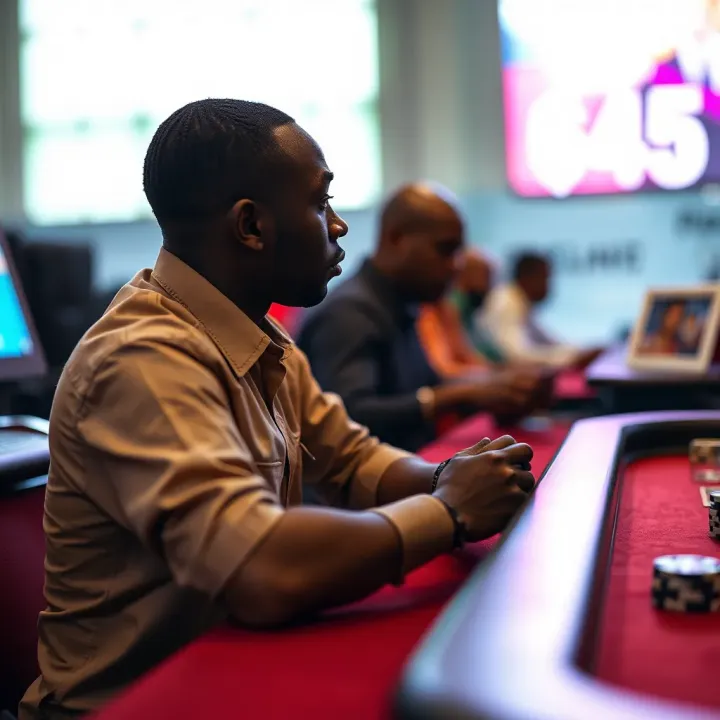
It's important to understand what counts as legal gambling. These typically include licensed sports betting, lotteries, and certain casino operations. Unlicensed or informal gambling often runs afoul of the law and can expose participants to penalties or fraud risks.
Obtaining a gaming licence from relevant authorities like the National Lottery Regulatory Commission or state gaming boards is mandatory for operators. The licensing process ensures compliance with standards on fair play, security, and proper taxation. Licence fees vary, sometimes reaching millions of naira, and regular audits keep operators accountable.
Ngos and government agencies are still tackling enforcement challenges. The rapid expansion of online betting platforms makes monitoring difficult, while some illegal operators find ways to bypass regulators despite penalties. This gap also affects players, as unregulated sites may offer unfair terms or withhold winnings.
Understanding and following Nigeria’s gambling laws protects you from legal trouble and lays the foundation for a fair experience.
Whether you’re a sports fan keen on betting or a market analyst watching industry trends, knowing the legal framework helps you navigate betting platforms safely. Future sections will explain how the laws apply specifically to online betting, physical casinos, and lotteries, and how recent regulatory updates are shaking up the scene.
In summary:
Nigerian gambling laws stem from both federal and state regulations
Legal gambling requires appropriate licences and operates under strict standards
Enforcement faces hurdles due to online gambling’s fast pace
Players and operators must stay informed to avoid pitfalls
With this introduction, you now have a clear starting point to explore Nigeria's gambling rules fully and play safely.
Understanding Nigeria's legal framework on gambling is essential for anyone involved in betting or gaming activities. It defines what forms of gambling are allowed, under what conditions, and the penalties for non-compliance. This framework helps protect consumers from unscrupulous operators and ensures that licensed businesses follow set standards, creating a safer environment for players and investors alike.
Historically, these laws have evolved from colonial-era statutes through to modern regulations adapting to technological changes like online betting platforms. For instance, while sports betting flourishes today, it must operate within guidelines set by both federal and state laws to avoid legal troubles.
Nigeria's earliest gambling laws stemmed from British colonial governance, aiming mostly to control and tax betting activities. The Betting Act of 1952, still relevant today, was crafted during this time to regulate betting houses and protect public order. These colonial laws laid the groundwork, but they were often rigid, lacking provisions for new gambling formats.
Today, some of these colonial constructs still influence how regulators view gambling. For example, enforcement bodies often rely on these old laws when tackling illegal gaming dens, though their scope is limited in regulating digital platforms.
After independence, Nigeria began to tailor gambling laws to local contexts, recognising the sector’s economic potential and social risks. New laws and bodies emerged to regulate lotteries and betting industries, such as the establishment of the National Lottery Regulatory Commission (NLRC) in 2005 to oversee lottery operations.
These changes also allowed states to enact their own gaming regulations. Lagos, for example, has some specific rules addressing local betting shops, showing a clear shift from central to a more shared regulatory responsibility.
The National Lottery Act governs all lottery-related activities in Nigeria. It sets out how lotteries should be conducted, specifying that only licensed operators can organise draws. This protects participants and ensures winnings are paid out. Public trust in lotteries like the "Green Card" is maintained through this law.
Operators must regularly report their activities to the NLRC, ensuring accountability. It safeguards against fraud and promotes transparency, which are critical for both players and investors.
The Betting Act controls sports betting and formal bookmaking activities. It outlines who can offer betting services and requires all operators to obtain licences. The Act also defines offences like underage betting and unlicensed betting, which carry fines or imprisonment.
For example, popular sports markets like football and NBA betting fall under this Act’s jurisdiction. Operators such as BetKing and Betway must comply fully, keeping their platforms legal and their customers protected.
Aside from federal laws, many Nigerian states have developed their own gaming laws reflecting local priorities. Lagos and Kano states, for instance, have additional requirements for licensing and operation of betting shops.
These laws can differ significantly, affecting how operators run shops or online portals. Understanding state-specific rules is crucial for operators to avoid hefty fines or shutdowns, and for players to ensure they engage with legitimate services.
Knowing these layers of gambling laws helps bettors and market analysts navigate the complexities of Nigeria’s gambling scene, stay compliant, and promotes safer gaming practices.
Gambling in Nigeria operates within a defined legal framework, with clear distinctions on what forms are permissible. Understanding the types of legal gambling is critical for both players and operators. It helps avoid inadvertent involvement with illegal activities and ensures compliance with regulatory standards set by bodies like the National Lottery Regulatory Commission (NLRC).
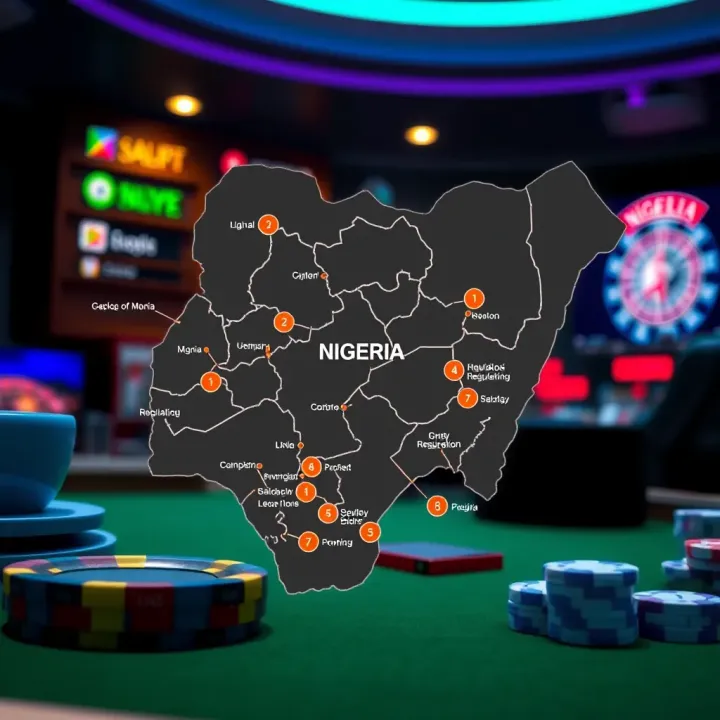
Sports betting remains the most widespread gambling activity in Nigeria. Football ranks supreme, with domestic leagues like the NPFL (Nigerian Professional Football League) and international tournaments like the English Premier League attracting the bulk of bets. Beyond football, Nigerian bettors also show interest in basketball, particularly the NBA, and less commonly in athletics and boxing. This broad interest shapes the market offerings, encouraging bookmakers to tailor odds and betting options to local preferences.
Bookmakers in Nigeria must secure licences from relevant authorities, primarily the NLRC and state gaming boards. Regulations require providers to maintain transparency in odds setting, ensure prompt payment of winnings, and enforce age restrictions (typically 18 years and above). Operators must also integrate measures to prevent problem gambling and fraud. Non-compliance can lead to hefty fines or license revocation. These rules protect consumers and support a responsible betting environment.
Lottery operators in Nigeria must follow strict guidelines under the National Lottery Act. They must obtain valid licences, regularly submit reports, and allocate minimum percentages of proceeds to public causes. For example, funds often support sectors like education and health. Operators also need to maintain transparent draws and provide clear information about odds and prizes to participants.
Lottery entrants must meet age requirements and often be physically present or registered to participate. The law discourages automated or bulk entries from anonymous sources to curb fraud. Public engagement is also regulated to ensure fairness and build trust. This includes clear communication on draw dates, prize claims, and dispute resolution.
Casinos and gaming centres require comprehensive licensing that covers premises inspection, security clearances, and proof of financial stability. Licensing involves both federal and state compliance checks, considering the location and scale of operations. These licenses are more stringent compared to sports betting, reflecting the higher risks and capital involved.
Licensed gambling centres offer games like poker, roulette, blackjack, and slot machines. The law restricts certain games, such as those involving dice or cards that may be considered illegal bets under state legislation. Casino operators must also adhere to responsible gaming practices, including limiting betting amounts and ensuring regular audits. Such controls help sustain the casino market while reducing social risks.
Knowing the types of legal gambling and their specific rules helps Nigerians enjoy gaming activities without falling foul of the law. It offers clarity on what to expect and promotes safer betting practices.
Understanding these categories and their regulations is vital for anyone who wants to participate or operate in Nigeria's gambling scene safely and legally.
Licensing and regulatory bodies play a vital role in Nigeria's gambling industry, ensuring activities are legal, fair, and transparent. They protect both players and operators by setting clear frameworks that govern how gambling businesses operate across different states. Without proper licensing, gambling ventures open themselves to legal risk and potential closure, while players face increased chances of fraud or unfair practices.
The NLRC oversees the national lottery sector, enforcing the laws that regulate lottery and gaming activities in Nigeria. Its oversight functions include monitoring operators to ensure compliance with existing gaming laws, investigating reports of malpractice, and sanctioning those who breach regulations. This helps maintain integrity in lottery operations, which is crucial given the vast number of Nigerians engaged in such games.
When it comes to licensing, the NLRC carries out a thorough process before granting approval to operators. Interested companies must apply formally, presenting business plans, proof of capital, and evidence of compliance with technical standards. The process also involves background checks to reduce cases of fraudulent operators entering the market. This scrutiny ensures that licensed lottery companies maintain trust and accountability.
Unlike the national framework, state-level authorities have significant influence over gambling activities within their jurisdictions. States vary in the strictness of their gambling laws and the types of licences they issue. For instance, Lagos State has a well-defined local system with specific requirements for bookmakers and gaming centres, while other states may have more relaxed or still-developing regulatory frameworks.
Local licensing procedures adapt to the unique environments in each state. Operators must comply with both federal laws and state-specific stipulations, such as local taxation and community engagement programmes. For example, a bookmaker in Rivers State might need to partner with state authorities for regular reporting and renewals, which can differ from procedures in Abuja or Kano.
Eligibility for a gambling licence in Nigeria generally requires that applicants are registered Nigerian companies with clear ownership structures. Operators must demonstrate adequate financial capacity and technical expertise to run gaming services responsibly. This helps prevent fly-by-night operators who might exploit players or evade tax obligations.
Fees and documentation form another critical part of the licensing process. Applicants typically submit evidence of company registration, tax clearance certificates, business plans, and payment of prescribed fees that can range from hundreds of thousands to millions of naira depending on the licence type. This financial commitment ensures operators have serious intentions and can contribute to the formal economy.
Proper licensing safeguards the Nigerian gambling sector by holding operators accountable and protecting players from unregulated risks. Engaging with licensed operators ensures your gaming experience is secure and within the law.
Understanding the regulatory landscape empowers both entrepreneurs and bettors to navigate Nigeria’s gambling world confidently and legally.
Enforcement and compliance issues remain some of the biggest roadblocks in Nigeria's gambling sector. Despite clear laws and regulations, the persistence of illegal operations and gaps in monitoring threaten the integrity of a growing industry. Addressing these challenges directly benefits both regulators and players by ensuring fair play, transparency, and consumer protection.
Illegal gambling schemes in Nigeria take many shapes, often evading government oversight and exploiting loopholes. These may include unlicensed sports betting shops operating in informal markets, underground lotteries, and unregulated online betting platforms. These schemes frequently fail to pay required taxes or adhere to consumer protection standards, leaving players vulnerable to fraud and unfair terms.
One common example is the proliferation of local betting shops that offer markets outside official regulations, often promising implausible payouts to attract bettors. These unregulated operators undermine legitimate businesses by undercutting prices and evading licensing fees.
The impact on regulated operators is significant. Licensed betting companies such as Bet9ja, NairaBet, and Merrybet face unfair competition from unlicensed platforms, which erodes their market share and revenue. Additionally, the reputation of the regulated industry suffers when illegal providers are involved in scams or fail to pay winnings, discouraging wider public participation.
This situation also impacts government revenue since illegal operators do not contribute taxes, reducing funds available for public services and regulatory oversight.
Technological limitations pose a major challenge in tracking gambling activities effectively. Many enforcement agencies lack access to sophisticated tools needed to monitor online transactions or identify unlicensed operators quickly. For instance, several illegal online platforms operate from abroad, making it hard for Nigeria’s National Lottery Regulatory Commission (NLRC) to track and take action.
On top of that, the cross-border nature of online betting complicates regulation. Nigerian bettors often access foreign betting sites that do not comply with local laws or contribute to Nigerian tax revenues. This cross-border activity creates a regulatory grey area, hindering effective control and exposing players to risks like unfair terms or lack of dispute resolution.
To combat illegal gambling, the government applies penalties and sanctions to unlicensed operators caught conducting business. These may include fines, closure of premises, or even criminal prosecution in severe cases. For example, agencies have severally raided illegal betting dens, confiscating equipment and shutting down operations.
Besides punitive measures, public awareness campaigns play a vital role. Educating Nigerians on the risks associated with illegal gambling and the benefits of using licensed platforms helps reduce patronage for unscrupulous operators. Campaigns often highlight the importance of checking licences and understanding betting terms before participation.
Awareness empowers players to make safer choices while encouraging compliance among operators, which improves the overall health of Nigeria’s gambling market.
Combining enforcement actions with education offers a practical approach to controlling gambling activities and protecting all stakeholders involved.
This section highlights enforcement challenges that directly affect bettors, operators, and regulators. By understanding these issues, readers gain a clearer picture of why responsible gambling matters and how Nigeria is working to create a safer, more transparent environment.
Understanding how gambling laws affect both players and operators is key to making informed and safe decisions in Nigeria’s betting landscape. Knowing your rights and responsibilities helps players avoid pitfalls like fraud or underage betting. Operators, on their part, must comply with strict rules to maintain fair play and credibility, protecting their customers and themselves from legal troubles.
Player protection ensures gamblers are safe from unfair practices and exploitation. For example, Nigerian law requires betting companies to provide clear information on odds, payouts, and terms to avoid misleading customers. These laws also guard against addictive behaviours by promoting responsible gambling measures, such as self-exclusion options and limits on betting amounts.
In practice, this means if you place a bet on platforms like BetKing or NairaBet, you should expect transparent odds and prompt payment of winnings. If an operator acts unfairly, you have the right to report them to regulatory bodies like the National Lottery Regulatory Commission (NLRC).
To curb underage gambling and fraud, operators must verify a player’s identity before allowing access. This usually involves checking valid government ID, such as a National Identification Number (NIN) or international passport, alongside proof of age. These checks help stop minors from betting and protect customer funds.
For instance, a 17-year-old attempting to bet on sport events through OPay’s platform should be blocked by the identity verification system. This process also reduces risks linked to money laundering and other financial crimes, contributing to a safer betting environment.
Licensed operators must guarantee fair play by ensuring their software and betting systems are regularly tested and certified to prevent rigging or manipulation. They should offer clear terms and conditions in plain language to avoid confusion.
Take a Lagos-based casino that offers slot machines. The fairness of games and the odds must be independently verified and available on request. This builds trust between the operator and players, which is essential especially in a market where unregulated operators often cheat.
Operators are obligated to report financial activities and submit audit reports periodically to regulators. This transparency helps detect suspicious transactions and ensures operators meet tax obligations, such as remitting the required % of earnings to tax authorities.
For example, sports betting firms like 1960Bet must work with auditors to review betting turnovers and pay taxes accordingly. This process strengthens Nigeria’s economy while maintaining integrity in the gambling sector.
Online betting in Nigeria has exploded in the past five years, fuelled by affordable smartphones and mobile internet access. Platforms like Bet9ja and SportyBet attract millions with convenient payment options like Paystack and Quickteller.
This growth means more regulations are needed to protect online players and ensure operators comply with the law. Online betting also generates significant government revenue through licensing fees and taxes.
The government has started revising gambling laws to address challenges posed by online platforms and illegal operators. Recent changes include imposing stiffer penalties for unlicensed activities and introducing digital oversight tools.
Looking ahead, licensed operators are expected to adopt better technology for customer verification and reporting. Players can anticipate safer, more transparent betting experiences with increased regulatory enforcement and industry maturation.
Understanding these implications helps players enjoy gambling safely while encouraging operators to run business responsibly within Nigeria’s legal framework.
Download the latest Msport Original app easily 📱 from authentic Nigerian sources. Enjoy smooth sports streaming, device compatibility, safe use tips & quick fixes ⚽🏀.
Based on 8 reviews