
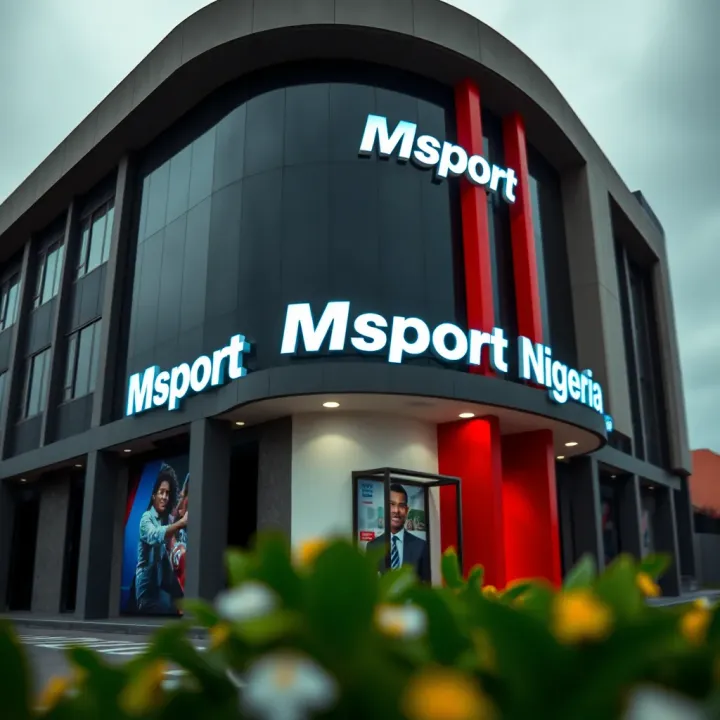
Msport Nigeria: Operations and Local Impact
Explore Msport's Nigerian office and its role in sports betting 🎯. Learn about local services, regulatory hurdles, partnerships 🤝, and impact on Nigeria's gaming sector.
Edited By
Emily Davidson
The MSPort crash sent shockwaves through Nigeria's maritime sector, disrupting trade and exposing underlying weaknesses. Understanding what caused the incident is key to grasping its broader implications and preventing future repeats.
At its core, the crash resulted from a combination of technical glitches and operational lapses. Engineers identified outdated software in MSPort’s terminal control system as a main culprit. This system manages vessel scheduling, cargo tracking, and berth allocation—any fault here leads to cascading delays. Nigerian ports often rely on legacy technology, which can struggle under increasing cargo volumes, especially with imports booming in ember months.

Beyond technology, challenges with regulatory oversight worsened the situation. The coordination between port authorities, shipping companies, and government agencies appeared fragmented. For instance, delays in customs clearance due to paperwork bottlenecks created congestion that the MSPort system wasn’t designed to handle efficiently. This highlights issues with existing protocols and communication channels.
The impact was quite tangible: major vessels faced extended waiting times, causing ripple effects on supply chains across Nigeria. Importers dealing in consumer goods, especially perishables, bore heavy losses. Traders and logistics firms had to spend extra on demurrage and storage, inflating the cost of goods at markets nationwide. Industries dependent on just-in-time delivery, like automotive assembly plants in Lagos, reported production slowdowns.
That said, the crash also exposed vital lessons for the Nigerian maritime ecosystem. Several practical measures are critical:
Upgrading port IT infrastructure to modern digital platforms that integrate all stakeholders.
Streamlining regulatory frameworks to promote faster customs procedures and better data sharing.
Enhancing training for operators and port officials to manage new technologies effectively.
Investing in contingency plans to handle unexpected system failures without major disruptions.
Stakeholders must view the MSPort crash not just as a setback but a wake-up call to modernise Nigeria’s maritime trade environment.
For risk managers and market analysts, spotting weak points like these before they culminate in crashes should be part of ongoing evaluations. Meanwhile, bettors and sports fans indirectly impacted by supply shortages will notice price shifts tied to these logistics challenges. Understanding MSPort’s crash helps you read those market signals better and anticipate shifts related to Nigeria’s external trade flows.
With clear insight into causes and impact, the path to prevention centres on technological renewal, regulatory reform, and stronger collaboration—pillars that can strengthen Nigeria’s role as a key maritime hub in West Africa.
Understanding the MSPort crash is vital because it highlights vulnerabilities in Nigeria's maritime infrastructure that affect not just the port itself but the wider economy. This section provides a clear picture of what happened, why the incident matters, and how it fits into Nigeria's broader shipping and trade ecosystem. Clarity here helps stakeholders—from market analysts to risk managers—appreciate the scale of disruption and informs decisions on future safeguards.
The first report of the MSPort crash came from operational staff who noticed unusual system failures early morning on 5 March 2024. This initial alert was crucial in triggering the emergency protocols, aiming to prevent accidents or cargo damage. Early detection allowed management to communicate transparently with shipping companies, limiting misinformation.
After the initial alert, a series of rapid developments unfolded. Vessel scheduling experienced immediate disruption as automatic systems failed to allocate berthing slots efficiently. Following this, a partial shutdown of cargo handling operations occurred, affecting imports and exports. By the afternoon, technical teams were investigating the faults while port authorities notified the Nigerian Maritime Administration and Safety Agency (NIMASA). This sequence underscores the need for robust incident management and clear communication during crises.
The port management quickly activated contingency plans, including manual cargo handling to reduce delays. They also collaborated with shipping lines to reroute some vessels to nearby ports like Apapa and Tin Can Island temporarily. Immediate repair teams began restoring critical systems, and safety checks were intensified to avoid accidents. These prompt actions mitigated a total operational collapse and softened the economic impact.
MSPort serves as a key logistical hub, providing container handling, storage, and customs clearance services. It ensures smooth cargo flow in and out of Nigeria, supporting both local businesses and multinational firms. Efficient port operations affect everything from supply chain delivery times to cost of goods, making MSPort’s stability essential.
The port is a gateway for goods entering southern Nigeria and beyond, impacting regional trade in West Africa. Delays or disruptions at MSPort ripple through markets, affecting commodity prices and supply chains, especially for perishable goods like foodstuff. For example, the 2023 dry season saw increased food import demands, highlighting MSPort’s role in regional food security. Its performance is thus interlinked with economic stability in Nigeria and neighbouring countries.
The MSPort crash revealed how a single incident at a critical hub can stall exports, inflate costs, and disturb supply chains across borders.
Understanding these dynamics helps industry players anticipate risks and invest in more resilient infrastructure and processes at Nigerian ports.
Understanding the technical causes behind the MSPort crash is key for grasping how the failure happened and how to avoid it in future. These causes shape the port's operational reliability and influence shipping activities directly. By breaking down equipment faults, human errors, and environmental impacts, we gain a clear picture of vulnerabilities within MSPort.
Technical faults identified Several reports pointed to critical equipment failures at MSPort that triggered the crash. Among them were malfunctioning cranes used for container handling and faulty automated gates controlling access. For instance, one of the quay cranes reportedly failed due to electrical short circuits, stalling cargo loading. Such faults disrupt port operations instantly, affecting vessel turnaround times and cargo schedules.

Inspection and maintenance records reveal gaps that likely contributed to these technical issues. Documentation showed irregular servicing of key machines and delays in replacing worn-out components. In one case, maintenance logs for gantry cranes indicated missed monthly checks over three consecutive months. Poor upkeep means equipment becomes prone to breakdowns exactly when reliability is most crucial.
Training gaps among port personnel played a significant role in the crash. Operators reportedly lacked routine refresher courses on emergency protocols. For example, some crane operators were unfamiliar with manual override procedures when automated systems acted up. This lack of continuous training limits staff readiness, raising the chance of human error during technical faults.
Operational oversights were also evident in coordination and supervision failures during peak activities. Communication breakdowns between control rooms and dock workers led to delayed responses once the crash signs showed. A real-life example involved container stacking errors that went unnoticed until they blocked essential pathways, worsening the congestion caused by system failures.
Weather and sea state influences affected MSPort’s infrastructure and operations on the day of the crash. Heavy rainfall and strong winds reportedly knocked out some power systems and disrupted crane controls. Bad weather conditions often worsen technical faults, as vulnerable equipment struggles against unpredictable forces.
Effect on port infrastructure extended beyond equipment to physical structures like jetties and access roads. Flooding from intense storms damaged pavement surfaces, hindering vehicle movement inside the port. This not only slowed cargo transport but exposed weaknesses in how the port manages environmental risks, signalling a need for better preventive measures.
Properly addressing these technical causes—equipment reliability, staff training, and environmental resilience—can significantly reduce the risk of future crashes. This ensures smoother maritime trade flow and less economic disruption for stakeholders.
The MSPort crash sent shockwaves through Nigeria’s maritime trade, highlighting how a single fault can ripple across an entire supply chain. Understanding these consequences is vital for market analysts and risk managers focusing on the sector. Disruptions here don't just stall vessels—they shake the timing of cargo deliveries, impose financial burdens on businesses, and test the resilience of the workforce.
One immediate impact was the backlog of vessels waiting to dock or depart. With key berths rendered unusable, ships had to queue longer than usual, causing knock-on delays to subsequent shipping schedules. For example, cargo vessels from the Lagos port reported waiting an extra 48 hours on average, which is significant given tight shipping itineraries.
Longer ship idling times mean sharper operational costs for shipping companies. These delays also affect the turnover rate at the port, limiting how many vessels can be handled daily. This slowdown isn’t just a headache for operators but can send costs spiralling for all parties involved.
The crash disrupted importers and exporters who rely heavily on timely deliveries. Essential goods such as machinery parts for local manufacturers or agricultural inputs got stuck in port longer than planned. This delay can stall production lines and reduce output.
Exporters, particularly those dealing with perishables like cocoa and fish, faced risks of spoilage and lost contracts owing to missed shipping windows. These timing setbacks can reduce Nigeria’s trade competitiveness by damaging reliability perceptions.
MSPort took a hard financial hit in recovery and repair expenses, diverting resources from other projects. Ancillary service providers, including cargo handlers and logistics firms, experienced revenue drops as throughput slowed.
For instance, the reduced container movements meant warehousing firms saw less business, while truckers faced fewer hauls. Given how the maritime sector contributes significantly to Lagos State’s economy, this ripple effect had noticeable local impact.
Beyond those directly tied to the port, wider supply chains felt the pinch. Retailers dependent on imported goods saw stockouts, pushing prices up temporarily. Manufacturers waiting for raw materials reported production halts, affecting their delivery commitments.
These slowdowns can increase inflationary pressures, especially during the ember months when demand already peaks. The maritime bottlenecks show how critical port efficiency is to stabilising Nigeria’s broader economic rhythms.
Shipping lines operating through MSPort suffered revenue losses directly tied to the delays and increased operational costs. Idle vessels mean wasted fuel and crew time, while delayed schedules can erode customer trust.
These companies might reconsider routing choices if such incidents persist, potentially diverting to ports like Apapa or Tin Can Island. This shift would reshape Nigeria’s shipping landscape and could reduce MSPort’s market share.
The crash also affected the port workforce. While some workers faced reduced shifts due to lower cargo volumes, others were engaged longer hours in recovery operations. Service providers like crane operators and stevedores encountered operational uncertainties that strained labour relations.
On one hand, downtime meant income losses; on the other, pressing maintenance demands increased workload unpredictably. This dual pressure highlights the human cost behind technical failures and operational disruptions.
In maritime trade, delays don’t just cost time—they cost money and trust, affecting everyone from shipowners to market traders waiting on goods. Addressing these consequences calls for both technical fixes and strategic planning to safeguard Nigeria’s maritime future.
Regulatory oversight plays a pivotal role in ensuring ports operate safely and efficiently. In the MSPort crash context, examining the regulatory framework and enforcement challenges helps clarify why such incidents occur and what barriers stand in the way of effective safety management. Industry challenges compound these issues, affecting compliance, operational standards, and overall sector stability.
Regulatory framework governing ports
The Nigerian maritime sector falls under several key regulatory authorities, including the Nigerian Ports Authority (NPA), the Nigerian Maritime Administration and Safety Agency (NIMASA), and the Nigerian Shippers’ Council (NSC). These bodies set standards covering ship handling, cargo movement, and port infrastructure safety. Practically, these regulations aim to protect assets, workers, and the wider economy, considering the sector’s substantial contribution to trade. For example, regulations require regular safety inspections and certifications to ensure port equipment is roadworthy and operators are trained.
Identified gaps in enforcement
Despite a robust regulatory framework on paper, enforcement at Nigerian ports often falls short due to limited resources and overlapping agency roles. This creates loopholes where safety protocols either go unchecked or are inadequately applied. For instance, inconsistent safety drills and lax monitoring mean critical warning signs might be overlooked until a failure occurs. These enforcement gaps not only increase risks but also shake stakeholder confidence, causing delays and extra costs.
Lessons from international port safety
Internationally, leading ports like Rotterdam and Singapore showcase continuous investment in automated safety systems alongside strict regulatory compliance. Their success highlights the importance of integrating technology, regular audits, and a safety culture prioritising proactive risk identification. For example, Rotterdam uses real-time monitoring sensors to predict equipment failures, which significantly reduces downtime and accidents.
Adaptability to Nigerian context
Adopting these global practices requires tailoring to Nigeria’s environment. Factors like irregular power supply, funding constraints, and workforce skill levels present challenges. However, selective upgrades like installing affordable sensor-based alerts and strengthening personnel training could fit well. Collaboration between regulators and private port operators is essential to customise solutions while maintaining cost efficiency.
Strong regulatory oversight combined with practical enforcement and tailored adoption of proven safety methods is key to preventing future MSPort-like crashes and boosting maritime sector reliability.
The MSPort crash highlighted glaring weaknesses in Nigerian ports’ safety and operational setup. Preventing such events is essential not just for safeguarding assets but also for ensuring the steady flow of goods—critical for Nigeria’s economy. Practical strategies addressing equipment, personnel, and regulatory frameworks must come together to raise standards and reduce downtime.
Upgrading equipment and technology plays a fundamental role in port safety. Many Nigerian ports, including MSPort, still use outdated machinery prone to breakdowns. Replacing worn-out cranes, automated loaders, and power backup systems with more reliable, modern versions can dramatically cut risks of failure. For instance, Okpe Port’s recent investment in automated gate scanning and remote crane controls reduced congestion and technical hitches.
Consistent adoption of digital monitoring tools also helps detect early signs of wear or malfunction. This predictive maintenance approach can nip problems before they cause a crash, protecting valuable cargo and infrastructure.
Scheduled maintenance programmes act as a backbone to sustaining technical reliability. Regular, documented checks ensure equipment is always fit for service, reducing surprise breakdowns. A practical example is the diverging maintenance timetable introduced at the Tin Can Port, where machinery is inspected weekly and major repairs scheduled quarterly.
Strict adherence to maintenance schedules prevents system overloads and ensures spare parts are available ahead of time. It also lays the groundwork for audit trails, useful during investigations or regulatory reviews.
Skills development for port personnel cannot be overlooked. Many incidences trace back to gaps in training or unfamiliarity with new systems. Structured, continuous training programmes equip staff with current operational knowledge and safety practices. This includes simulating emergency scenarios specific to port environments.
Ports like Apapa have started integrating refresher courses and certification requirements, which have visibly improved handling efficiency and reduced operator errors. Well-trained personnel adapt better to tech upgrades and follow safety rules consistently.
Standard operating procedures (SOPs) provide clarity and uniformity in daily port operations. When clearly documented and enforced, SOPs prevent guesswork and improvisation, reducing costly mistakes. They should cover everything from equipment handling to emergency responses and communication channels.
A notable example is the Lagos Port Complex’s introduction of digital SOP manuals accessible on staff mobile devices, ensuring quick, on-the-spot reference. Updates to SOPs must be frequent and reflect changing technologies and risks.
Better coordination among agencies overseeing Nigerian ports is vital. Fragmented responsibilities often cause delays in addressing safety issues or implementing policies. A central coordinating body can align efforts between the Nigerian Ports Authority, Nigerian Maritime Administration and Safety Agency, and the Nigerian Navy.
Joint drills, shared data platforms, and unified reporting systems foster a quicker, more coherent response during incidents. For example, the Lagos State’s effort to create a Maritime Safety Task Force demonstrated faster hazard response times at the local level.
Increased transparency and accountability ensure that all stakeholders—from government agencies to private operators—follow through on safety commitments. Enforcing clear reporting standards on accidents, downtimes, and infractions without bureaucratic delays creates pressure for improvements.
Public access to port incident data and audit results, similar to practices at international hubs like Rotterdam or Dubai, would build investor and user confidence. This also deters negligence by spotlighting lapses and enabling corrective action swiftly.
Ultimately, preventing future port crashes requires a balanced mix of technical upgrades, human capacity building, and institutional reform. These strategies, when implemented effectively, can safeguard Nigeria’s maritime gateway and its economic lifelines.
Explore Msport's Nigerian office and its role in sports betting 🎯. Learn about local services, regulatory hurdles, partnerships 🤝, and impact on Nigeria's gaming sector.

Discover how MSport promotion boosts Nigerian sports🌟 Boost fan engagement, support athletes, and grow businesses with effective strategies in a vibrant sports scene⚽️🏀

⚽ Explore MSport’s mix of live sports streaming, betting services, and user engagement shaping Nigeria’s digital sports market—reliable and built for Lagos to Abuja fans!

Explore MSport BJ for exciting sports streaming and betting 🎯! Discover features, usability, legality, and its growing impact in Nigeria's sports scene ⚽🤑.
Based on 5 reviews