

MSport World Cup Predictions Tonight: Key Insights
⚽ Tonight's MSport World Cup predictions breakdown for Nigerian fans, featuring team line-ups, key matchups, tactical angles, player form, and smart betting tips.
Edited By
Victoria Adebayo
World Cup qualifiers determine which national teams earn the right to compete at the FIFA World Cup, the most prestigious tournament in global football. These matches are organised by continental federations under FIFA's supervision, with Africa's qualifiers managed by the Confederation of African Football (CAF).
The qualifiers usually span over months, involving group stages or knockout rounds, depending on the continent's format. For African teams, including Nigeria's Super Eagles, the qualification process often consists of multiple rounds. Each team plays home and away fixtures to accumulate points, with top-ranked teams advancing to the World Cup.

Scheduled Dates and Venues: Fixtures are announced well in advance, often months before kickoff. Venues rotate between home countries, giving fans the chance to watch live games locally or follow official broadcasts.
Participating Teams: All eligible FIFA member nations compete, grouped to balance competition. For example, Nigeria's group may feature regional rivals like Ghana and less frequent opponents such as Central African Republic.
Impact on Teams: Every game affects the team's positioning for World Cup qualification and continental rankings. A single win or loss can shift the dynamics dramatically, influencing bookmaker odds and betting markets.
Keeping up with fixture dates and venues is vital for bettors and sports analysts to make informed decisions. Knowing whether a team plays home or away can sway predictions significantly.
Follow announcements from the Nigerian Football Federation (NFF) and CAF via official channels.
Use Nigerian sports platforms and apps that provide live updates, scores, and expert analyses.
Tune into local sports radio and TV stations that cover the qualifiers extensively.
Bettors: Analyse past fixtures, home versus away performances, and player availability for smarter wagers.
Market Analysts: Monitor shifts in team form and injury reports to assess risk and opportunities.
Risk Managers: Pay attention to fixture congestion and external factors like weather or venue changes that might affect outcomes.
Understanding the structure and schedule of the World Cup qualifiers is crucial for anyone invested in football – whether for entertainment, betting, or professional analysis. The fixtures not only dictate who advances to the World Cup but also impact the wider football ecosystem across Africa and beyond.
Grasping how World Cup qualifiers operate is essential for bettors, sports fans, and analysts alike. Knowing the structure helps anticipate when and where key matches happen, which teams have the best chances, and how different formats influence outcomes. For instance, spotting how African teams qualify can guide betting strategies or market predictions by highlighting potential knockout fixtures or heavily contested group stages.
The Confederation of African Football (CAF) organises qualifiers in stages to filter from 54 nations down to the five who secure World Cup slots. The process starts with lower-ranked teams facing off in preliminary rounds; winners join higher-ranked teams in a group stage featuring ten groups of four teams. Only the group winners advance to the final playoffs, where the five final spots are decided. This format means some teams might play a tough knockout early on, while others start directly in the group phase, affecting preparation and form.
Understanding this format is practical for Nigerian football followers since Nigeria usually participates from the group stage. Watching other African teams navigate preliminary rounds helps assess the competitiveness of Nigeria's potential opponents in playoffs.
Europe’s UEFA differs by having approximately 55 teams divided into groups, with group winners qualifying directly to the World Cup. Runners-up generally enter playoffs, sometimes along with Nations League qualifiers, making for a mix of direct qualification and knockout battles. Asia (AFC), South America (CONMEBOL), and other confederations have their own distinct systems combining group matches and playoffs.
For example, AFC’s long group qualifiers lead to playoffs determining the final World Cup slots, while CONMEBOL’s round-robin league sees every match heavily weighted, increasing unpredictability. Understanding these variations helps bettors and analysts predict which fixtures hold more weight and how risks shift across confederations.
This initial stage primarily weeds out the lower-ranked teams, usually in knockout formats or short groups. For African football, teams like Seychelles or Djibouti might clash early, limiting the field before full group phases. Betting on preliminary rounds can be tricky due to less publicity and variable team strength; however, it offers opportunities for sharp analysts to spot undervalued sides.
Group matches form the heart of qualifiers, where teams play home and away games over months. In CAF, 10 groups of four teams each battle for the top spot, meaning consistency over roughly six games is crucial. Teams like Nigeria must avoid slip-ups especially when playing at home stadiums like Abuja or MKO Stadium.
Groups also allow for better statistical analysis as form and injuries become clearer over matches. Sports fans can schedule viewing around these lengthy campaigns, while market analysts can track performance trends affecting odds.
After group stages, the final hurdle is usually the playoffs. For CAF, this comprises home-and-away ties among group winners, with aggregate scores deciding who qualifies. These high-stakes encounters often bring intense pressure, tactical scheduling, and travel challenges. Teams must manage fatigue and mental fortitude.
For bettors, playoffs present both risk and opportunity; a slight edge or error can swing a two-legged tie, greatly impacting predictions and market movements. Fans get to see drama at its peak, adding excitement before the World Cup.
Knowing these structures aids in understanding not just when matches occur but the stakes involved, enabling smarter engagement whether for entertainment, betting, or analysis.
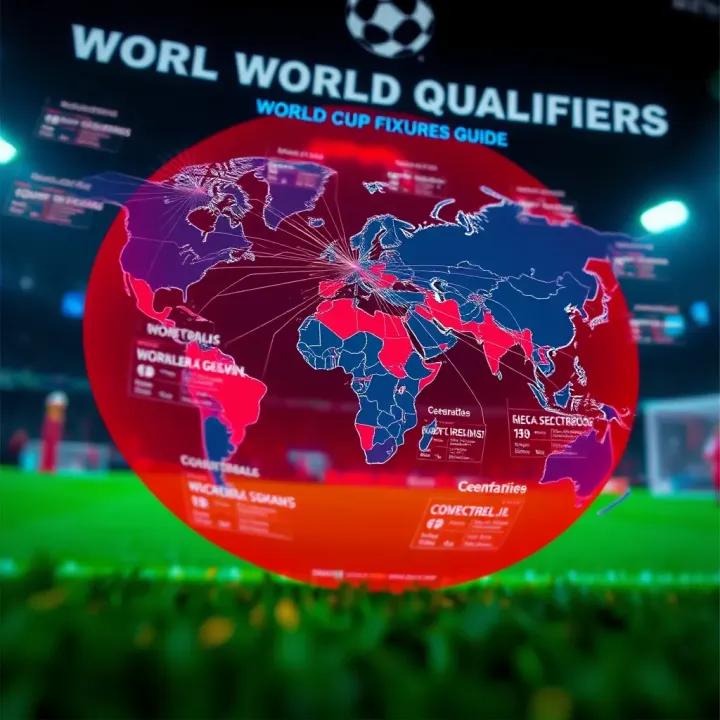
Following key World Cup qualifier fixtures matters a lot for sports fans, bettors, and analysts alike. These matches often determine who makes it to the global stage, affecting team rankings and betting odds. For Nigerian fans and investors, knowing which games to focus on gives a chance to anticipate outcomes, place informed bets, or analyse market trends linked to team performances.
The upcoming calendar for Nigeria's qualifiers is packed with tension and excitement. Nigeria competes against groups including Ghana, South Africa, and Sudan, with fixtures running from September 2024 through March 2025. Keeping track of these dates helps fans avoid missing critical moments and positions bettors and market analysts to respond quickly to shifts in form or injury updates.
Not just Nigeria, major teams like Algeria, Egypt, and Cameroon also have impactful matches on their schedules. These games influence regional standings and can trigger qualification surprises. Having a clear picture of when these fixtures occur ensures you stay ahead, whether analysing the odds or catching broadcast highlights.
Certain fixtures carry extra weight. For example, Nigeria’s away match against Ghana is typically a fierce, winner-takes-all encounter. The outcome there could dictate who tops the group. Similarly, Egypt’s final home game against Cameroon will likely decide a playoff spot, making it a must-watch. These encounters are tipping points where a single goal can shift fortunes, so they deserve focused attention.
Bettors stand to gain by studying past head-to-heads and player conditions for such matches, while fans get to enjoy the intensity these fixtures deliver. Market analysts can also track betting volume spikes and sentiment shifts during these high-stakes games.
Qualifiers usually feature home and away matches to balance fairness and test team adaptability. Nigeria hosting games at Abuja National Stadium gives them a home advantage, bolstered by local support and familiar conditions. On the flip side, travelling to places like Accra or Cairo tests the team’s resilience against different climates and pitches.
For fans and bettors, knowing where a match is played informs predictions and betting strategies. Teams tend to perform better at home, but away games can surprise if the visiting side adapts quickly or the host team faces internal issues.
Venue effects go beyond crowd support. In northern Nigerian cities, higher altitudes or humidity can favour Nigeria, while coastal venues like Durban might challenge teams unused to the weather. Travel fatigue also impacts player freshness.
A case in point: in 2017, Nigeria’s surprise loss in Alexandria, Egypt partly came from adjusting poorly to local conditions. These factors matter to bettors and analysts assessing match risks and expected outcomes.
Watching fixture venues closely helps you predict which teams could hold an edge, shaping your insights or betting choices accordingly.
By staying informed about schedules, key matches, and venues, you can engage with the World Cup qualifiers more confidently and effectively.
Following the top teams in the World Cup qualifiers provides bettors, sports fans, and analysts with a clearer picture of potential outcomes and trends. Knowing which teams have a solid chance of qualifying helps in making more informed predictions and assessing risks effectively. This section highlights Nigeria’s current standing and other notable African teams whose qualifications could shake up the competition.
Nigeria is placed in a competitive group where every fixture counts. Their group opponents include some strong teams, with matches scheduled on key dates throughout the qualification window. For example, Nigeria is set to face Ghana on 12 March, followed by away games against Egypt on 25 June and home games against South Africa on 17 September. Tracking these exact match dates is essential, especially for bettors and analysts who need to time their bets or prepare for match-day shifts in odds.
The Nigerian team boasts a mix of experienced internationals and emerging talents, which shapes their qualification prospects. Their attacking strength is commendable, with seasoned strikers showing consistent form in European leagues. However, challenges remain, notably in defence and midfield cohesion. Coaching transitions and occasional injuries have also posed hurdles, affecting team chemistry. Understanding these strengths and weaknesses is vital for market analysts and risk managers to gauge Nigeria’s likelihood of progressing and to evaluate volatility in live betting markets.
Beyond Nigeria, teams like Senegal, Cameroon, and Algeria stand out as strong contenders whose qualification could affect Nigeria’s path. For instance, Senegal’s clash against Algeria next tomorrow (26 March) is a game that could decide who tops a tough group. Competitors Nigeria is likely to meet in later playoff stages will test the Super Eagles’ endurance and strategy.
Regional rivalries often add more spice to the qualifiers, influencing both team performance and fan interest. Matches between Nigeria and Ghana, or Cameroon versus Ivory Coast, usually draw significant attention due to historical context and local pride. These rivalries can ramp up pressure on players, often affecting outcomes unpredictably, which bettors must consider when assessing underdog chances or unexpected results. Furthermore, regional passion often translates into higher attendance and media coverage, reinforcing the stakes involved.
Keeping a close eye on teams’ fixtures, strengths, and rivalries allows stakeholders to better predict outcomes and prepare for the dynamism of World Cup qualifiers. This insight is invaluable for those involved in betting, risk management, and market analysis.
Staying updated on World Cup qualifiers is key for bettors, sports fans, and market analysts because the latest information on fixtures can directly influence betting odds, market predictions, and fan engagement. Knowing where to find reliable updates ensures you don’t miss crucial match schedules, venue changes, or team news that could affect outcomes.
The Confederation of African Football (CAF) and the Fédération Internationale de Football Association (FIFA) are primary sources for authoritative information on World Cup qualifiers. Both maintain regularly updated websites where they publish official fixture lists, match results, disciplinary updates, and any changes in scheduling. For instance, if a match is rescheduled due to weather or security concerns, CAF’s site will typically announce it first.
Consulting these websites provides users with reliable data directly from governing bodies, which is crucial in avoiding misinformation common on social media. Bettors and market analysts, especially, benefit as these updates can affect odds and trading activities in real time.
The Nigerian Football Federation operates its official platforms, including their website and verified social media accounts, providing localised updates tailored to Nigerian fixtures and team news. Updates here cover squad announcements, injury reports, and ticket information for home games, which fans and analysts alike find valuable.
For example, when Nigeria plays a home fixture against Ghana or South Africa, the NFF platforms announce matchday protocols and crowd capacities, which affect match atmosphere and sometimes the home team's performance. Those following closely can adjust their stakes or strategic analyses accordingly.
Several Nigerian broadcasters hold exclusive rights to televise live qualifier matches; among them are SuperSport and StarTimes. These stations provide live match action, pre- and post-match analysis, and expert commentary, all of which enhance fans’ understanding of the qualifiers.
For bettors, watching matches live via these broadcasters offers an edge in spotting real-time performance, which can influence in-play betting decisions. The reach of these rights also means televised matches generate significant viewership, offering advertisers and sponsors a keen market.
Thanks to digital platforms, Nigerian fans increasingly rely on online streaming services for live matches and highlights. Websites and apps such as Showmax Pro or YouTube channels affiliated with broadcasters offer convenient access to games on smartphones, an important factor given Nigeria’s high mobile usage.
Moreover, dedicated sports apps and Nigerian news outlets provide instant match updates, goal alerts, and expert insights. For market analysts, real-time feeds of match events and stats are indispensable when evaluating team form or player performance mid-game.
Keeping track of official announcements and leveraging live broadcast options transform the way Nigerian enthusiasts engage with World Cup qualifiers. Whether for betting, analysis, or pure support, quick access to accurate updates makes all the difference.
Check CAF and FIFA websites regularly for official fixture announcements.
Follow NFF platforms for Nigeria-specific news and local match updates.
Use recognised Nigerian sports broadcasters for live TV coverage.
Leverage online streaming and apps for flexible, on-the-go match access.
Understanding these channels will keep you ahead, whether you're placing bets, analysing markets, or simply cheering for the Super Eagles.
World Cup qualifiers carry significant weight for Nigerian football, extending beyond just securing a spot in the global tournament. These matches impact the financial health of football bodies, offer platforms for player growth, and influence local leagues and clubs. Understanding these implications helps fans, sports analysts, and stakeholders appreciate the broader effects of Nigeria's performance on and off the pitch.
Qualifying matches deliver substantial revenue through ticket sales, broadcast rights, and sponsorship agreements. For instance, when Nigeria plays at home in weekdays amid working schedules, ticket sales might dwindle, but weekend fixtures often pack stadiums like the Godswill Akpabio International Stadium in Uyo, generating millions of naira. Sponsorship deals with brands such as Globacom, Nike, and even emerging fintech firms like Flutterwave strengthen funding for the Nigerian Football Federation (NFF).
These funds help cover travel expenses for away games and player bonuses, while also offering financial sustainability. Notably, strong qualifier performances can attract new sponsors eager to associate with Nigeria’s growing football reputation, creating a positive cycle of investment.
World Cup qualifiers affect domestic leagues directly. When national team players get called up, clubs face short-term disruptions but benefit long-term through increased player value and experience. For example, players from Nigerian Professional Football League (NPFL) teams who shine during qualifiers often secure moves to bigger clubs at home or abroad, unlocking transfer fees that boost their parent clubs’ finances.
Moreover, success in qualifiers raises football’s profile nationwide, increasing fan engagement in local leagues. This leads to better attendance and sponsorship at the NPFL level, which has historically struggled compared to foreign leagues' dominance on Nigerian TV.
World Cup qualifiers are vital stages for Nigerian players to demonstrate skill and resilience under pressure. For many youngsters, especially those in under-represented regions, these matches offer a rare chance to impress coaches and scouts. Take the example of Moses Simon and Samuel Chukwueze, who boosted their careers through standout qualifier performances before securing moves to European clubs.
These fixtures also help seasoned players regain form and leadership roles in the squad, which builds team cohesion and experience valuable for bigger tournaments.
Scouts from Europe and Asia closely watch World Cup qualifiers as key scouting events. The intense, competitive environment reveals players’ ability to perform against tough opposition. Nigerian players who excel often attract offers from clubs in Belgium, Turkey, and other stepping-stone leagues.
Transfers secured through qualifier exposure not only enrich players personally but also bring in transfer fees that can help grassroots football and club development at home. The NFF and clubs often collaborate with agents to ensure these moves benefit both players and Nigerian football infrastructure.
The World Cup qualifiers are more than fights for a trophy; they serve as economic lifelines, career kickstarts, and growth avenues for football at every level in Nigeria.
This interconnected impact means Nigerian football fans should watch qualifiers not just for results but for their lasting effects across the game’s ecosystem.
⚽ Tonight's MSport World Cup predictions breakdown for Nigerian fans, featuring team line-ups, key matchups, tactical angles, player form, and smart betting tips.

🏀 Discover the best basketball betting platforms in Nigeria, plus tips on winning strategies, trusted bookmakers, bonuses, and legal advice to boost your ₦ game.
🎯 Learn how to bet on Msport in Nigeria 🇳🇬—from creating your account to placing bets and withdrawing winnings. Get smart tips for safe, easy sports betting today! 💸⚽️
🛒 Learn how to register and shop securely on Msport Shop for quality sports gear in Nigeria. Get insights on payment, delivery, plus customer support for smooth buys.
Based on 14 reviews