
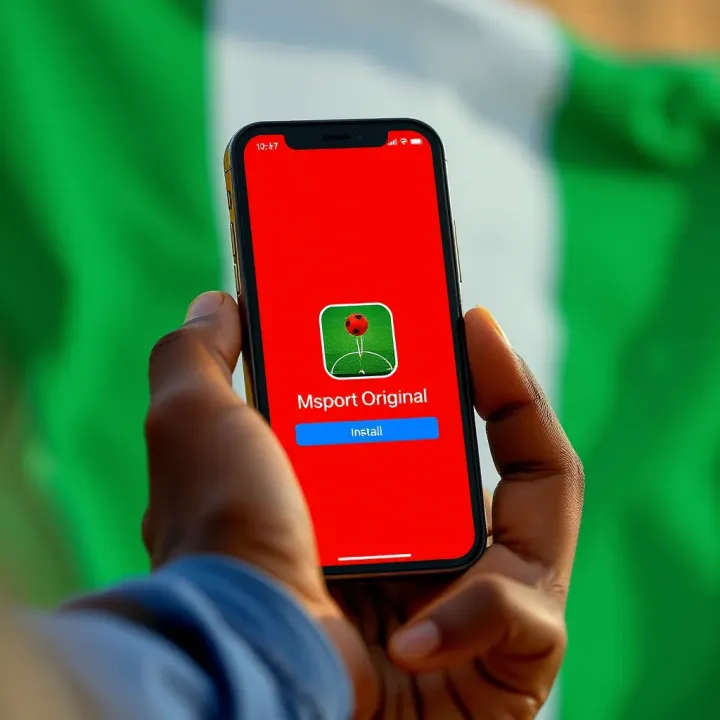
How to Download the Latest Msport Original App in Nigeria
Download the latest Msport Original app easily 📱 from authentic Nigerian sources. Enjoy smooth sports streaming, device compatibility, safe use tips & quick fixes ⚽🏀.
Edited By
Emily Davidson
MSport has gained significant attention in Nigeria’s sports broadcasting scene over the past few years. But who really owns this platform, and why does it matter? Understanding the ownership of MSport sheds light on its direction, influence, and key partnerships.
MSport started as a local initiative aimed at filling gaps left by traditional broadcasters. Unlike many large networks owned by multinational corporations, MSport's ownership is primarily Nigerian-based. The main shareholders include prominent local business figures with interests in media and sports development. This local ownership enables MSport to focus deeply on Nigeria’s unique sports culture and fan base.
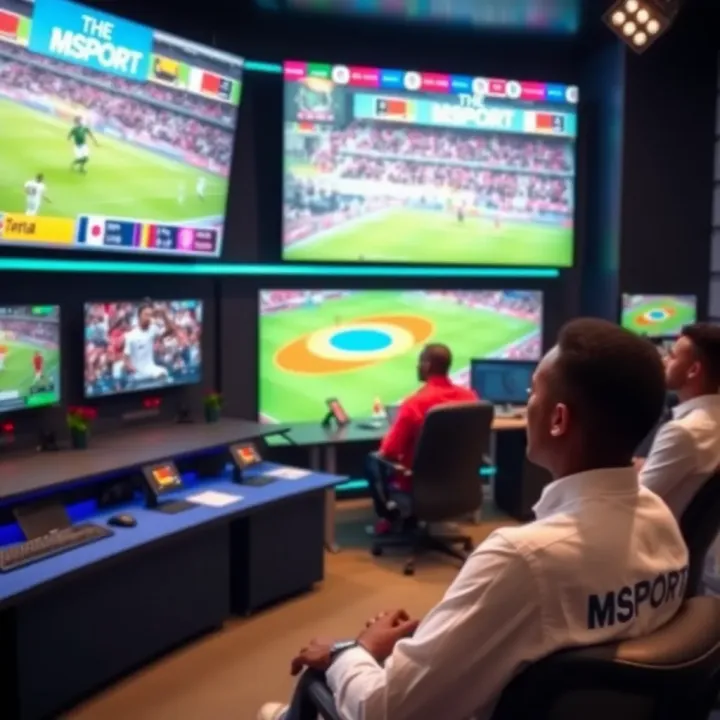
To explain further, MSport operates as a partnership between private media investors and sports enthusiasts. This structure allows it to balance business growth with authentic sports content delivery. For instance, when MSport secured exclusive rights to broadcast several Nigerian Premier League matches, it underscored the platform’s commitment to showcasing homegrown talent. Such moves wouldn’t have been possible without strong ownership ties to Nigeria’s sports ecosystem.
The ownership model also affects MSport’s strategy in reaching Nigerian viewers. Unlike some international sports channels which prioritise global content, MSport tailors its programming to appeal directly to Nigerian fans. This includes live telecasts of football, basketball, and even local wrestling events, reflecting popular interests across Nigerian states.
Ownership concentrated among Nigerian stakeholders encourages MSport to develop homegrown content and partnerships that resonate with local sports fans.
This approach benefits bettors and market analysts who rely on detailed local sports coverage to inform their decisions. Risk managers also find value in MSport’s broadcasts because they provide timely, reliable updates on sports events that influence betting markets.
In summary, MSport stands out in Nigeria because of its Nigerian ownership and its focus on creating content that connects with local fans. This foundation positions it to shape the sports broadcasting landscape uniquely and continue expanding its influence in Nigeria’s highly competitive media market.
Understanding the background and origins of MSport is key to grasping its current position and influence in Nigeria’s sports broadcasting sector. This section traces how MSport started, its founding goals, and how it has adapted in a competitive market. For sports fans, bettors, and market analysts, knowing this context provides clarity on why MSport shapes Nigerian sports viewership the way it does.
MSport was launched in 2012 by a consortium of Nigerian media entrepreneurs and sports enthusiasts. Its initial aim was to create a local sports channel that highlighted Nigerian football leagues and popular African sports events, which were often overlooked by international broadcasters. At the time, major networks focused largely on European leagues, leaving a gap for domestic sports coverage.
The founders recognised this gap, aiming to boost local sports’ visibility while giving Nigerian viewers affordable access to live games and expert analyses. For instance, MSport secured exclusive rights to broadcast the Nigeria Professional Football League (NPFL) live, making it the go-to channel for local football fans.
Since inception, MSport has broadened its content beyond just football. Today, the channel covers basketball, boxing, athletics, and Nigerian university sports. This expansion mirrors the growing interest in diverse sports among Nigerians.
Technological upgrades have also played a role. MSport embraced digital platforms early, launching mobile streaming through local apps like IROKOtv and partnering with telcos for USSD subscription services. These moves made their content easily accessible in rural and urban areas, overcoming challenges like intermittent power and slow internet.
Moreover, MSport forged partnerships with regional sports leagues and international broadcasters to co-produce content. These collaborations helped it raise production quality and audience reach. For example, during the last AFCON tournament, MSport served as a key Nigerian partner for live feeds, enhancing its credibility.
The rise of MSport shows how a focused sports channel, built around Nigerian viewer preferences, can evolve from a local start-up to a central player in sports broadcasting.
Looking at MSport’s background offers practical insights into its current market behaviour and potential future directions. Bettors interested in local matches and market analysts tracking sports media will find that these historical foundations help explain MSport’s strategic moves and partnerships.
By following this history closely, one can better understand why MSport commands a strong fanbase and stands out in Nigeria’s crowded sports broadcasting scene.

Understanding who owns MSport and how the ownership is structured provides clarity on the channel’s strategic decisions, funding sources, and market behaviour. This knowledge helps bettors, gamblers, sports fans, and market analysts assess how MSport positions itself and the extent of its influence within Nigeria’s sports broadcasting space.
MSport’s ownership comprises a mix of private investors and corporate shareholders, reflecting both local and international interests. A significant portion is held by Nigerian media entrepreneurs who have built their wealth in telecommunications and digital media sectors. For example, a key investor group includes business magnates with stakes in fintech firms like Paystack and Flutterwave, linking MSport’s growth to Nigeria’s broader digital economy.
Additionally, several Nigerian sports agencies hold minority shares, ensuring the channel stays connected to local sports development. Foreign investors, especially from the UK and South Africa, have also acquired stakes, valuing MSport’s access to Nigeria’s large sports-loving population. These partnerships bring fresh capital and expertise, enhancing the channel’s broadcasting technology and content acquisition.
MSport’s management draws from experienced professionals with backgrounds in broadcasting, sports marketing, and technology. The Chief Executive Officer (CEO), formerly a top executive in a leading Nigerian sports apparel brand, has steered the channel to prioritise grassroots football coverage and niche sports like athletics and boxing that are popular in Nigeria but often overlooked by competitors.
The programming director, with over 15 years in sports media, has introduced innovative shows that combine live events with betting tips and expert analysis, making MSport a go-to for bettors seeking reliable information. Moreover, the finance director ensures that investments into the station deliver returns, balancing commercial viability with content quality.
The strength of MSport lies not just in its ownership but also in a leadership team that understands Nigeria’s diverse sports audience and budding betting market.
Together, the ownership and management shape MSport’s competitive edge through strategic partnerships, content quality, and a keen eye on emerging sports trends. Their combined influence ensures the channel remains popular, trusted, and commercially viable within Nigeria’s complex sports broadcasting industry.
MSport holds a significant spot in Nigeria’s sports broadcasting landscape by catering to a wide range of sports enthusiasts. Its diverse offerings and targeted approach bring local and international sports closer to Nigerian viewers, enhancing sports consumption and engagement nationwide.
MSport covers an array of sports including football, basketball, athletics, and combat sports, which are deeply popular in Nigeria. Nigerian football leagues such as the NPFL (Nigerian Professional Football League) receive dedicated airtime, alongside continental tournaments like the CAF Champions League and international fixtures like the English Premier League and La Liga. This mix attracts both casual viewers and serious bettors who follow global and local matches.
Apart from team sports, MSport broadcasts boxing matches featuring Nigerian fighters and athletics events showcasing local talents, widening its appeal. They’ve also begun streaming e-sports competitions, reflecting the growing youthful market. In terms of audience reach, MSport blends terrestrial TV and satellite broadcasts with digital streaming, ensuring access even in remote parts of Nigeria where internet connectivity might be patchy.
Nigeria’s sports broadcasting market is competitive, with channels like StarTimes Sports and Kwese TV offering similar content. MSport faces stiff rivalry in acquiring exclusive broadcast rights, a key factor that shapes its programming. However, rather than just competing, MSport has formed strategic partnerships with other broadcasters and sports organisations to co-produce content and share coverage rights.
For example, MSport collaborated with local radio stations to extend live coverage of popular matches to radio audiences, especially in areas with limited TV access. It also joined hands with smaller sports networks in northern Nigeria to broaden its footprint. These collaborations help MSport maintain a competitive edge while expanding its viewer base.
MSport’s adaptability in mixing exclusive coverage with partnerships is vital to sustaining relevance amid Nigeria’s fast-evolving sports media scene.
In summary, MSport not only delivers diverse sports content fitting Nigerian tastes but also actively engages with industry players to remain influential. For bettors and market analysts, understanding how MSport balances audience reach and competition reveals much about the sports media ecosystem’s dynamics and its future direction.
Partnerships and business relationships serve as the backbone of MSport’s operations in Nigeria. They not only provide access to exclusive content but also enable MSport to maintain a competitive edge in a crowded sports broadcasting market. These connections help the channel deliver quality sports coverage, attract advertisers, and offer engaging experiences to Nigerian viewers and sports enthusiasts.
MSport’s collaboration with local and international sports leagues is vital to its content offering. For example, securing broadcast rights for the Nigerian Professional Football League (NPFL) games has strengthened MSport’s local appeal. This partnership allows fans nationwide to follow their favourite local teams without relying solely on foreign channels.
Additionally, MSport has agreements with international leagues like the English Premier League (EPL) and the NBA, which are incredibly popular among Nigerian sports fans. These collaborations often extend beyond broadcasting rights; MSport sometimes participates in league-sponsored grassroots tournaments or community engagement programmes. Such ties enhance its brand presence and establish deeper connections with fans.
By working closely with teams and leagues, MSport also gains timely access to match statistics, player interviews, and behind-the-scenes content—features that bettors and analysts find invaluable when making informed decisions.
Advertising revenue forms a fundamental part of MSport’s business model in Nigeria. The channel collaborates with banks like GTBank and fintech platforms such as Paystack for targeted campaigns during popular fixtures. This creates a win-win situation: advertisers reach a captive audience, while MSport secures financial support to improve its broadcasting technology and programming.
Sponsorship deals also shape MSport’s programming schedule. Major Nigerian brands often sponsor live coverage of crucial matches or tournaments. For instance, a telecom giant like MTN might sponsor an entire league’s broadcast season, allowing MSport to offer more comprehensive coverage at no extra cost to viewers.
These deals carry benefits beyond mere finance. They offer cross-promotional opportunities, such as branded content segments or exclusive fan experiences, boosting MSport’s market visibility. Furthermore, strong sponsorships signal to other investors that MSport is a credible and influential player in Nigeria’s sports media scene.
Strategic partnerships with sports bodies and brands keep MSport relevant, funding its growth while enriching the viewing experience for Nigerian sports fans, bettors, and market analysts alike.
In summary, MSport’s business relationships—ranging from rights agreements with leagues to advertising contracts with big Nigerian corporations—drive its success and influence. For anyone analysing Nigeria’s sports broadcasting ecosystem, understanding these partnerships reveals how MSport navigates market demands and maintains its foothold.
Understanding the future outlook and challenges facing MSport is vital for grasping how the platform will maintain its place within Nigeria's evolving sports broadcasting industry. With digital transformation accelerating and consumer expectations rising, MSport’s ability to innovate and adapt will determine its relevance to sports fans, bettors, and market analysts alike.
MSport is actively exploring ways to expand its content reach beyond traditional broadcasting. One key area is strengthening its digital presence through mobile streaming apps tailored for Nigerian users, considering the high mobile internet penetration rate. For example, they are developing features that support live betting integration, which could attract bettors wanting real-time access combined with wagering options.
The platform also plans to broaden its sports portfolio by adding local league content such as the Nigerian Professional Football League (NPFL) and high-profile events like the All Progressives Congress (APC) gubernatorial sports festivals, which have a growing youth audience. This local focus could create more engagement and increase advertising revenue.
Moreover, MSport intends to adopt advanced data analytics to personalise viewer experiences. By analysing viewing habits and betting patterns, customised recommendations and targeted promotions can be offered, making the platform more appealing to dedicated sports fans and gambling enthusiasts.
MSport faces stiff competition from established broadcasters like SuperSport and newer digital platforms such as YouTube sports channels and streaming services like Showmax. To stay competitive, MSport must continuously equip itself with exclusive broadcasting rights and maintain high-quality production standards.
Navigating Nigeria's regulatory landscape is equally important. The National Broadcasting Commission (NBC) regulates content and licencing, while the Nigerian Communications Commission (NCC) oversees digital transmission standards. MSport must ensure compliance to avoid sanctions and interruptions that could hurt its reputation.
Furthermore, as sports betting gains popularity, regulatory bodies like the National Lottery Regulatory Commission (NLRC) have increased scrutiny on broadcasting content linked to gambling. MSport must strike a balance between integrating betting features and adhering to advertising codes to avoid legal pitfalls.
Staying ahead will require MSport to be flexible, innovate consistently, and maintain good relations with regulators and partners. The ability to adapt quickly could be the difference between growth and stagnation in Nigeria’s competitive market.
In summary, the future for MSport lies in blending digital innovation with a strong understanding of the local sports scene and regulatory requirements. This approach will enhance user engagement, expand revenue streams, and secure long-term sustainability amid rising competition and changing viewer demands.
Download the latest Msport Original app easily 📱 from authentic Nigerian sources. Enjoy smooth sports streaming, device compatibility, safe use tips & quick fixes ⚽🏀.
Based on 12 reviews