

Who Owns MSport and Its Role in Nigerian Sports
Discover the origins and ownership of MSport 📺 in Nigeria. Learn how it shapes sports viewing, forges key partnerships, and impacts Nigeria’s sports scene today ⚽🇳🇬.
Edited By
Sophie Bennett
Casino taxation in Nigeria plays a significant role in both the gaming industry and government revenue streams. The government imposes specific taxes on casino operators to regulate the sector and ensure a steady flow of funds to public coffers. These taxes affect how casinos operate, influencing pricing, marketing, and expansion strategies.
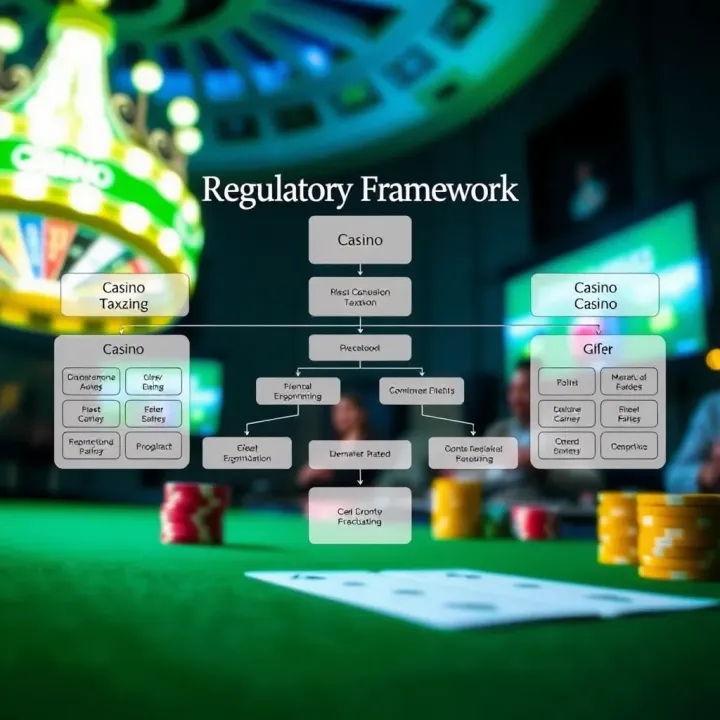
Nigeria's casino industry is regulated primarily under the National Lottery Regulatory Commission Act and related gaming laws, with state governments also having some jurisdiction. Taxation rates and rules can vary slightly depending on the state, but the Federal Inland Revenue Service (FIRS) oversees major tax collections.
Point of Entry Taxes: Casinos pay taxes on licenses, often a fixed fee depending on the category and scale of operations.
Gambling Revenue Tax: This is a percentage charged on gross gaming revenue (GGR), which is the total bets minus winnings paid out.
Withholding Tax: Applied on certain payments, such as winnings paid to players exceeding a threshold amount.
Value Added Tax (VAT): Applied to casino services where applicable.
For example, a Lagos-based casino with monthly gross gaming revenue of ₦50 million might pay 10% as gaming tax to the state government, plus federal taxes as mandated. Regular compliance ensures the casino retains its licence and avoids penalties.
Regulatory compliance is non-negotiable: Casinos caught evading tax payments risk stiff penalties, including licence suspension or revocation.
Enforcing casino tax remains challenging due to underreporting and the informal gambling sectors, which occasionally operate without adequate regulation. The government continues to improve tax monitoring using digital reporting systems to minimise leakages.
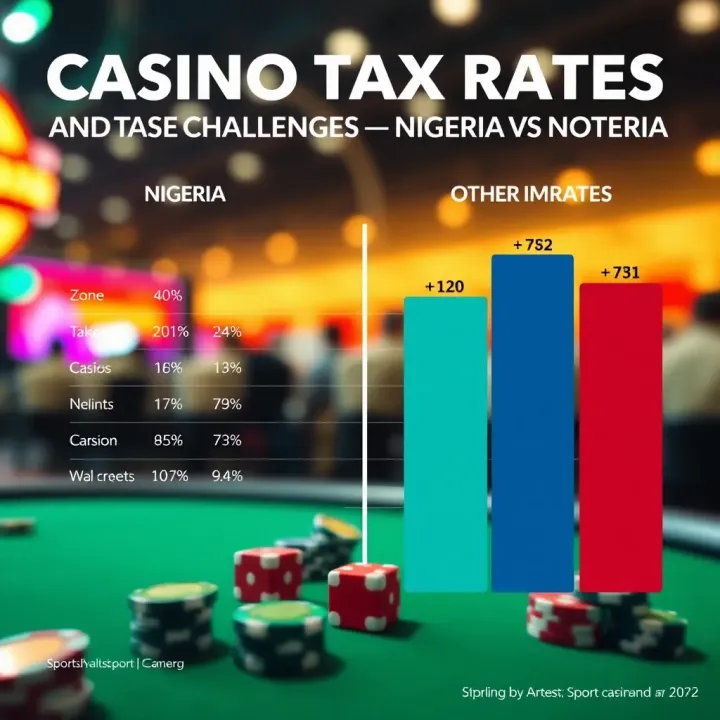
When compared with countries like South Africa or the UK, Nigeria's casino tax rates are moderate but enforcement is sometimes less rigorous. This presents opportunities for reform as Nigeria seeks to boost its entertainment economy and government revenue.
Understanding these taxes helps bettors and market analysts gauge the industry's health and possible impacts on casino service pricing. For risk managers, being aware of the tax framework aids in compliance and operational planning.
In summary, Nigerian casino taxation blends federal and state rules targeting gambling revenue, supported by licensing fees and VAT. Its impact is felt across operators and players, shaping the gaming landscape and contributing to the nation's tax income.
Understanding how casinos operate and are taxed in Nigeria is vital for anyone involved in the gaming sector, including bettors, market analysts, and regulators. This overview clarifies the legal standing of casinos, the bodies managing their activities, and how taxes are applied. Knowing these details helps stakeholders navigate regulatory complexities and gauge the financial implications of gaming operations across states.
Casinos in Nigeria have a relatively recent formal history compared to older industries. The gaming sector gained momentum in the early 2000s, following the introduction of legislation allowing licensed casino operations in major cities like Lagos and Abuja. The key legal framework governing casinos is the National Lottery Act 2005, which regulates gambling activities, including lotteries, sports betting, and casinos. The Act mandates licensing, operational standards, and taxation, providing a foundation for orderly casino development.
However, state governments have significant autonomy to regulate casinos within their territories, subject to the overarching federal laws. This layered legal structure aims to balance national oversight with regional realities, such as differing social attitudes towards gambling and economic priorities.
The National Lottery Regulatory Commission (NLRC) holds the primary federal responsibility for overseeing casino and lottery operations in Nigeria. Beyond granting licenses, the NLRC ensures compliance with the National Lottery Act and established rules concerning fair play and consumer protection. The Commission also supervises tax remittances, making sure casinos meet their fiscal duties to contribute to public revenue.
For instance, the NLRC conducts periodic inspections and audits to verify gaming revenue reports, helping curb tax evasion. Casinos failing to comply with regulations can face penalties or license suspension, underscoring the NLRC’s practical role in maintaining sector integrity.
State governments actively participate in regulating casinos, granting additional licences and imposing state-level taxes and levies. States like Lagos and Ogun have issued distinct guidelines governing casino operations, often including specific local taxes aimed at boosting state incomes.
These subnational regulatory duties mean casinos operating in multiple states must navigate varying tax rates and compliance requirements. For example, Lagos State charges a gaming tax on gross revenue that differs slightly from Ogun’s regime, affecting operators’ pricing strategies and investment decisions.
The Federal Inland Revenue Service (FIRS) collects corporate income tax and VAT from casino businesses, focusing on their overall profitability and taxable sales. While NLRC and state governments manage gaming-specific levies, FIRS ensures casinos meet general tax obligations in line with Nigerian tax law.
FIRS requires casinos to file annual tax returns detailing revenue, expenses, and tax due. Failure to comply can lead to audits and penalties, making adherence critical for casinos’ sustainable operations. The agency’s involvement adds a layer of fiscal oversight beyond the gaming sector, aligning casinos with broader business taxation in Nigeria.
Clear knowledge of these regulatory authorities and their tax roles is essential for operators to comply effectively and for bettors or analysts to understand how casino taxation influences the industry’s growth and public finance.
Casino businesses in Nigeria face several types of taxes that directly affect their operations and profitability. Understanding these taxes is vital for operators, regulators, and stakeholders aiming to grasp how fiscal policies impact the gaming sector and the broader economy. These taxes ensure government revenue generation and regulate the industry.
The major tax levied on casinos is the Casino Gaming Tax, which focuses on the earnings generated from gaming activities. This tax is usually calculated on the gross gaming revenue (GGR) — the total amount wagered by players minus winnings paid back. Nigeria’s tax rates for casino gaming can be steep, typically ranging between 10% to 20% depending on the state’s regulatory policies.
Casino operators report their revenue regularly to regulatory bodies, and the tax is then deducted as part of compliance requirements. For example, in Lagos State, where casino activity is quite robust, the government applies a defined gaming tax bracket that contributes significantly to state revenues, supporting infrastructure projects and social programmes.
Casinos also pay Value Added Tax (VAT) on goods and services they acquire. This VAT at 7.5% applies to various purchased items like gaming equipment, beverages sold within the casino premises, and hospitality services linked to casino activities. VAT is a separate tax from gaming tax but adds to the operational expenses of casinos.
For instance, when a casino procures drinks for its bar or contracts cleaning services, VAT is charged and paid to the Federal Inland Revenue Service (FIRS). While this does not apply directly on winnings or betting, it influences pricing strategies and overall profitability.
Casinos in Nigeria must pay annual licence fees to operate legally. These fees vary based on the size and location of the casino but generally represent a significant upfront and recurring cost. Licence fees are essential because they enable the government to regulate the number of operators and maintain standards.
Without these licences, operators risk heavy penalties or shutdown. For example, a casino in Abuja might pay around ₦5 million per year just for the licence, making it crucial for operators to factor this into their budget planning.
Licence fees also fund regulatory bodies themselves, ensuring they have the resources to supervise operations, enforce standards, and protect players.
Beyond federal and state taxes, casinos are subject to local government taxes. These fees vary widely across jurisdictions and may include property rates, signage levies, and business premises taxes.
Local government taxes provide revenue at the grassroots level, which often goes into community projects like road maintenance and public lighting. Casinos located in prime commercial areas, such as Ikeja in Lagos, may face higher local taxes reflecting the value of the properties and business activities.
For operators, these levies mean an additional fixed cost that must be managed continuously. Proper compliance with local tax laws helps avoid fines and legal troubles, ensuring smoother business operations.
Ultimately, the mix of gaming tax, VAT, licence fees, and local government levies shapes the financial landscape for Nigeria's casino industry, influencing pricing, investment decisions, and sector growth.
Understanding this tax environment equips bettors, market analysts, and business players with a clearer picture of how fiscal policies affect the casino scene in Nigeria.
Understanding how casino taxes are calculated and collected is key for anyone involved in Nigeria’s gaming industry, from operators to bettors and market analysts. It affects pricing, profitability, and regulatory compliance, while shaping the sector's contribution to government revenues. This section breaks down the main tax bases, rates, and compliance mechanics that guide casino taxation in Nigeria.
Gross Gaming Revenue (GGR) refers to the total amount wagered by players minus the winnings paid out. It is a vital metric because tax authorities base much of the casino tax on this figure. For example, if players bet ₦100 million in a month but receive ₦70 million back as winnings, the GGR would be ₦30 million. Taxes calculated from GGR provide a straightforward measure since operators don’t need to delve into detailed expense tracking. This method ensures steady government revenue as it reflects betting activity regardless of operational costs.
Unlike GGR, net profits focus on casino earnings after deducting expenses such as salaries, rent, and licensing fees. Taxing based on net profit allows for a fairer assessment of an operator’s real income, accounting for the costs of running the business. However, it requires thorough accounting controls and auditing to prevent under-reporting. In Nigeria, this approach is less common for gaming tax but remains relevant for corporate income tax on casino companies, balancing taxation and business sustainability.
Most regulatory frameworks in Nigeria require casinos to submit regular tax reports detailing gambling income, expenses, and tax calculations. Operators must file these returns monthly or quarterly to the Federal Inland Revenue Service (FIRS) and relevant state tax authorities. Accurate reporting ensures transparency and helps prevent disputes. For instance, an operator in Lagos must reconcile gaming records with reported tax figures to avoid penalties. These reporting duties also support government efforts to track the sector's growth and address tax evasion effectively.
Timely remittance of casino taxes is crucial to avoid fines or licence suspensions. Nigerian casinos typically pay taxes within 30 days after the end of a reporting period, be it monthly or quarterly. Delays can disrupt cash flow and strain relations with authorities. The Central Bank of Nigeria (CBN) sometimes coordinates with other bodies to streamline payment channels via fintech platforms like Paystack or Flutterwave. This integration reduces bottlenecks and enhances compliance, benefiting both operators and regulators.
Consistent tax calculation, accurate reporting, and prompt payment form the backbone of sustainable casino operations and help boost public revenue in Nigeria.
By grasping these core aspects, stakeholders can navigate Nigeria's casino tax system more effectively and contribute to a transparent, fair gaming industry.
Casino taxation plays a significant role not just in revenue generation but also in shaping the gaming industry and broader economy in Nigeria. Understanding these effects helps stakeholders—from regulators to investors—make better decisions and adapt to evolving market conditions.
Taxes collected from casinos contribute a steady stream of income to both federal and state governments. Revenues from gaming taxes and associated levies boost public funds, enabling financing of infrastructure, social services, and security. For example, Lagos state, home to several upscale casinos, channels part of these earnings into local development projects, such as road repairs and healthcare upgrades.
Moreover, casino taxes help diversify government revenue beyond oil and traditional taxes like VAT. This diversification is crucial, especially given the naira’s volatility and fluctuating oil prices. The consistent inflow from gaming activities can smooth budgetary allocations, ensuring key sectors continue to receive funding.
Casino taxation directly affects operational costs and profit margins for casino operators. High tax rates may motivate some operators to under-report revenues or delay licence renewals, reflecting in challenges for regulation enforcement. On the other hand, a balanced tax framework encourages legitimate expansion and reinvestment.
Beyond compliance, taxes influence decisions on capital investment and job creation. For instance, operators who find the tax burden manageable often invest in upgrading facilities and adding new games, attracting more patrons. This cycle supports increased turnover and, ultimately, higher tax contributions—a win-win for both operators and the government.
The casino industry provides thousands of jobs across Nigeria—from frontline roles like croupiers and security personnel to back-office staff, marketers, and technical teams. These jobs, often in urban centres, contribute to reducing unemployment, especially for youths with varying educational backgrounds.
For example, emerging casinos in Abuja have hired severally from communities close by, offering stable incomes and skill development opportunities. This positive social impact extends as employees spend their earnings locally, supporting other small businesses such as eateries and transport operators.
Running effective oversight of casinos demands resources. State authorities and the National Lottery Regulatory Commission incur costs for monitoring compliance, auditing financial records, and ensuring responsible gambling practices.
While these expenses are necessary, they can reduce net benefits from tax collection if poorly managed. Investing in digital tools and staff training can lower enforcement costs over time. Prudent regulation minimises loopholes that allow tax evasion, thereby improving overall fiscal gains.
A well-structured casino tax system should balance revenue goals with incentives for growth and proper enforcement to maximise benefits for Nigeria’s economy and society.
In essence, casino taxation in Nigeria is not only a revenue tool but a catalyst for industry growth and socio-economic development. The right policies can harness this potential fully.
Casino tax regulation in Nigeria faces several hurdles but also presents opportunities to enhance compliance and revenue collection. Understanding these challenges and exploring modern solutions helps stakeholders—including operators, regulators, and bettors—navigate the complex tax environment more effectively. This section highlights key difficulties and advantageous approaches shaping the future of casino taxation.
Tax evasion remains a major challenge in Nigeria’s casino industry. Casinos sometimes underreport gross gaming revenue to reduce tax liability, affecting government earnings. Weak enforcement mechanisms and limited auditing capacity compound the problem, particularly with smaller operators in Lagos or Lekki who may operate without full transparency.
Fraudulent activities such as keeping dual accounting systems or cash transactions outside official records are common. Enforcement agencies often lack access to real-time data, which hinders timely investigation and compliance checks. Furthermore, inconsistent penalties reduce the deterrent effect, allowing some operators to gamble with tax responsibility. To mitigate this, authorities must strengthen oversight and impose stricter sanctions for evasion.
Improving audit trails and regulatory transparency will improve public trust and attract quality investments in the gaming sector.
Adopting technology for monitoring casino transactions introduces more accuracy and efficiency in tax collection. Digital tracking systems enable regulators to monitor gaming revenue flows remotely, reducing reliance on self-reporting by operators. For instance, installing integrated electronic gaming machines linked to central tax databases can provide real-time data on bets and winnings.
This method not only minimises manual errors but also curtails manipulation of records. Countries like the United Kingdom use such systems extensively to ensure tax compliance, and Nigeria’s casino regulators could learn from these models. Digital tax tracking helps close loopholes and accelerates revenue remittance.
Linking casino financial operations with local fintech platforms such as Paystack, Flutterwave, or OPay offers practical ways to streamline payment and tax processes. These platforms already handle millions of daily transactions and have systems designed for secure, traceable payments.
When casinos accept deposits and payments through fintech, it becomes easier to track taxable transactions automatically and generate accurate tax reports. This reduces the burden on both casinos and tax authorities and lowers risks of evasion through cash dealings. Integrating these fintech solutions can also improve convenience for bettors, encouraging legal gameplay that is properly accounted for in tax terms.
Such collaboration between regulators, casinos, and fintech firms represents a promising opportunity to modernise Nigeria’s casino tax framework and boost government revenue.
By addressing enforcement weak points and embracing digital innovations, Nigeria can set a more resilient and transparent casino taxation system that benefits both the industry and the economy.
Comparing Nigeria’s casino tax system with those of other countries sheds light on areas where the Nigerian framework performs well and where improvements are needed. Such comparisons are key for regulators, operators, and market analysts who want to understand the broader international context and how global best practices can help enhance Nigeria’s revenue collection, compliance, and industry growth. It also helps identify competitive advantages and challenges Nigerian casinos face within the regional and global markets.
South Africa operates one of the most developed casino tax systems in Africa, governed under the National Gambling Act and regulated by the National Gambling Board alongside provincial authorities. Casinos there pay a tax primarily calculated on their gross gambling revenue, with rates ranging between 15% and 20%, depending on the province. This regional differentiation offers flexibility and allows provinces to tailor taxation to local market conditions.
Besides tax rates, South Africa’s regulatory model includes strict licensing requirements, regular audits, and a comprehensive framework for responsible gaming, which reduces illegal operations and enhances transparency. These measures help secure stable government revenues while supporting casino operators with clear guidelines on compliance and growth potential.
For Nigerian operators and regulators, South Africa’s decentralized approach offers a useful example of balancing local autonomy with national standards.
The United Kingdom has a globally respected regulatory model, overseen by the UK Gambling Commission under the Gambling Act 2005. The UK imposes a 21% tax on gross gaming revenue for remote and land-based casinos. This flat rate simplifies tax administration and applies uniformly across operators, encouraging fair competition.
Additionally, the UK framework emphasises transparency, anti-money laundering controls, and consumer protection through responsible gaming policies. The use of digital tracking and reporting technology is advanced, allowing real-time monitoring of revenue and tax obligations.
For Nigeria, where the industry is growing rapidly but the tax infrastructure is still developing, the UK system illustrates the effectiveness of uniform rates combined with strong regulatory oversight to improve compliance and attract investment.
Nigeria can draw several lessons from these models. First, a clear, uniform tax rate on gross gaming revenue—similar to the UK—can simplify compliance for casino operators and ease tax administration for regulators. However, Nigeria might also consider regional flexibility, as in South Africa’s provincial system, especially given its diverse states and local government involvement.
Moreover, strengthening regulatory oversight is essential. Nigeria could benefit from adopting comprehensive audit practices and embracing digital tracking tools integrated with local fintech systems, which would improve transparency and reduce tax evasion.
Finally, embedding responsible gaming measures and consumer protections within the tax and regulatory framework will foster a healthier industry and enhance public trust—important factors for long-term economic and social gains.
Understanding these international examples helps Nigeria craft pragmatic and locally relevant policies that enhance revenue without stifling growth in the casino sector.
By embracing these lessons, Nigeria can improve its casino taxation system to better support operators, government revenue, and social welfare.
Discover the origins and ownership of MSport 📺 in Nigeria. Learn how it shapes sports viewing, forges key partnerships, and impacts Nigeria’s sports scene today ⚽🇳🇬.

Download Msport Casino app in Nigeria 📲, follow easy installation steps, set up your account, explore top casino games 🎰, enjoy safe, seamless play and local tips 🛡️.

⚽ Explore MSport’s mix of live sports streaming, betting services, and user engagement shaping Nigeria’s digital sports market—reliable and built for Lagos to Abuja fans!

🎲 Discover Nigeria’s high roller casino scene: top spots, exclusive games, premium rewards, and important risks to weigh before staking ₦millions. 💰
Based on 12 reviews